Hello,
I’m Min-young Kim, a specialist in conservative dentistry at Yeongdeungpo-gu Office Station Dental Clinic.
Have you ever experienced tooth sensitivity even when drinking lukewarm water—not just something hot—or felt a dull sensation at the end of a tooth even though you were not eating anything?
At first, it is easy to dismiss these symptoms, but if they keep recurring, it is worth considering the possibility of tooth wear.
Unlike cavities, tooth wear does not cause an obvious hole, so it can be difficult to notice on your own.
However, because it progresses quietly and steadily, it is a condition that requires particular attention.
Today, together with Yeongdeungpo-gu Office Station Dental Clinic, we will look at the causes and stages of tooth wear, as well as how to manage it.
- What Is Tooth Wear,
and Why Does It Occur?
Tooth wear refers to a condition in which the surface of a tooth gradually becomes worn away.
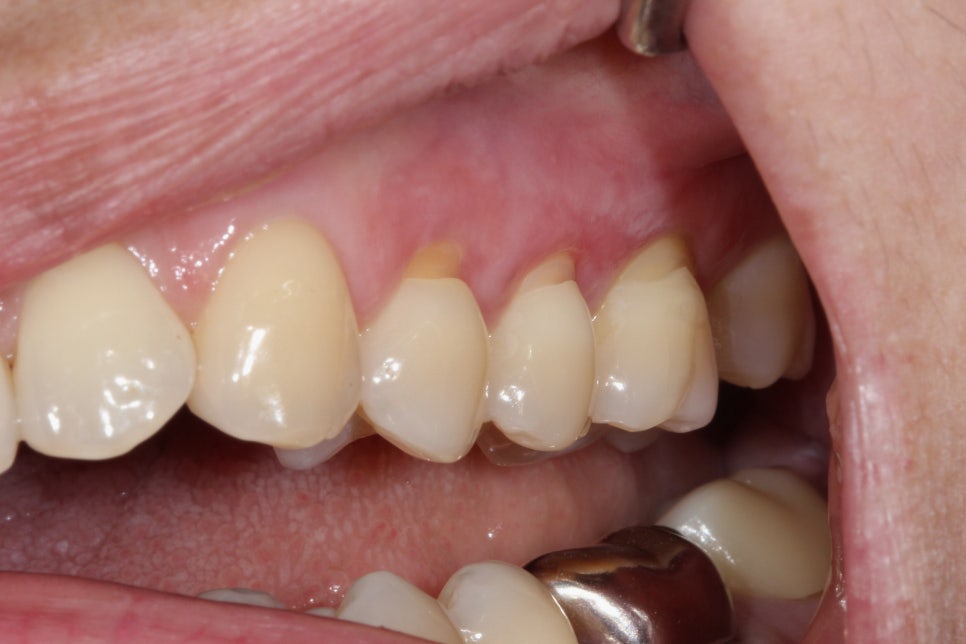
Depending on the cause, it is broadly divided into three types.
The first is attrition.
This is wear caused by teeth rubbing against each other, and it commonly occurs in people who grind their teeth (bruxism) or have a habit of clenching them tightly.
Because much stronger force is transmitted to the teeth during sleep than while awake,
many people have significantly worn teeth without realizing it.
The second is erosion.
This occurs when the tooth surface dissolves due to acidic substances such as food or stomach acid.
It may occur in people who frequently consume carbonated drinks, coffee, vinegar, or fruit, or who have gastroesophageal reflux disease.
The third is abrasion.
This occurs when the tooth surface is physically worn away from brushing too hard or habitually chewing hard foods.
In many cases, all three factors act together, so accurately distinguishing the causes is important for determining the direction of treatment.
At Yeongdeungpo-gu Office Station Dental Clinic, we believe it is important to identify the cause by considering the pattern and location of the wear together with the patient’s lifestyle habits.
- What Happens If It Is Left Untreated?
If tooth wear remains in its early stages, it may be limited to aesthetic changes.
However, as the wear becomes deeper, the dentin inside the tooth becomes exposed, and sensitivity gradually intensifies.
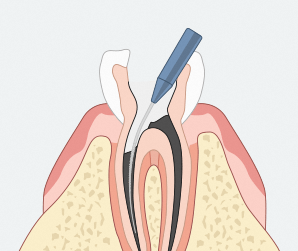
As it progresses further and approaches the pulp (nerve), pain may be felt even without temperature-related stimulation,
and it may eventually lead to a situation requiring root canal treatment.
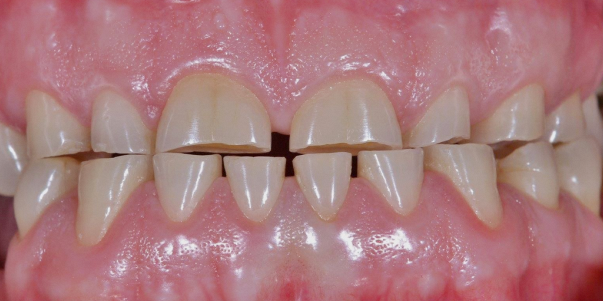
Wear caused by attrition can lower the height of the teeth themselves, which may also disrupt the bite.
In this case, force becomes concentrated on certain teeth, increasing the risk of tooth fracture and potentially affecting the temporomandibular joint as well.
Most importantly, once worn away, tooth tissue does not naturally recover.
For this reason, at Yeongdeungpo-gu Office Station Dental Clinic, we believe it is important to check whether the condition is progressing even when there are no symptoms.
- How Should Tooth Wear Be Managed?
The treatment approach varies depending on the cause and extent of the wear.
When the surface has been damaged by erosion or abrasion, the approach is to restore its shape using resin or a crown.
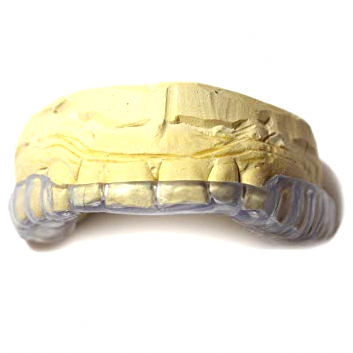
When teeth grinding is the cause, the priority is to distribute the force applied to the teeth by wearing an occlusal stabilization appliance during sleep.
The appliance itself does not reverse the wear, but it helps prevent further progression and protect the teeth.
If acid erosion is the primary cause, dietary adjustments and improvements to the oral environment should be carried out together. If gastroesophageal reflux disease is present, medical treatment should also be considered.
At Yeongdeungpo-gu Office Station Dental Clinic, we believe it is important to address not only the symptoms but also the underlying causes of the wear.
- Why Is a Dental Microscope
Helpful in Diagnosing Tooth Wear?
Because tooth wear progresses gradually, subtle structural changes begin before surface changes become noticeable.
In some cases, it is difficult to accurately determine the extent of wear or the degree of dentin exposure through visual examination alone.
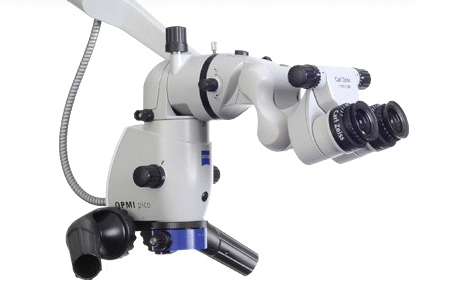
A detailed examination is possible with the use of a dental microscope.
Especially when wear and cracks are progressing at the same time, identifying cracks at an early stage can make a significant difference when planning treatment.
At Yeongdeungpo-gu Office Station Dental Clinic, we believe it is important to use a dental microscope from the diagnostic stage to examine even changes that are not visible to the naked eye.
Tooth wear can happen to anyone, but its rate of progression and consequences depend on how early it is detected.
If sensitivity keeps recurring or the end of a tooth feels different from before, we recommend visiting a nearby medical institution and having it checked through an examination.
This has been Min-young Kim, a specialist in conservative dentistry.
Thank you.