If a child falls and a front tooth
comes out completely,
or a tooth is severely
loosened after being hit while playing sports,
it is frightening even to imagine.
When this actually happens,
many people panic and, without thinking,
wrap the tooth in tissue,
or scrub it thoroughly under running water
because they think it is dirty.
Although these reactions are understandable,
both actions can actually make it impossible
to save the tooth,
making them critical mistakes.
Dental trauma is one of those situations where
the outcome can be completely different
depending on how you respond
before arriving at the clinic.
If the critical window is missed,
even a previously healthy tooth often cannot be saved,
so what you do immediately after the accident
is especially important.
Simply learning the correct emergency measures
in advance can greatly increase
the possibility of saving
a valuable tooth.
What should you do
in that distressing moment?
Today, Seonyudo Station Dental Clinic
will explain it step by step.
- If the tooth has come out completely, follow these steps.
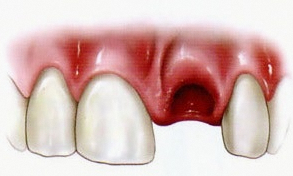
At Seonyudo Station Dental Clinic,
we refer to a situation in which
the tooth has completely
separated from the gums as an “avulsion.”
In this situation, the time available
to save the tooth is
within 30 minutes to one hour.
First, never touch the root of the tooth.
Instead, carefully hold only
the crown, or the visible part of the tooth.
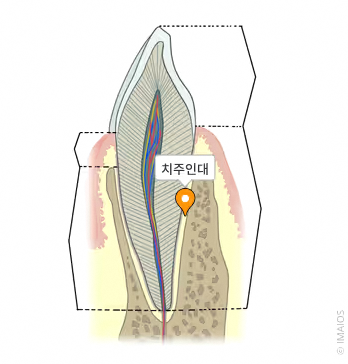
Periodontal ligament cells
are attached to the surface of the root.
These cells must remain alive
for the tooth to be maintained
after replantation.
If there is debris on the tooth,
rinse it lightly under running water,
but never rub or wipe it.
Many people wrap the tooth
in tissue or dry gauze for storage,
but this dries out the periodontal ligament cells
and instead reduces
the possibility of recovery.

The best options for storage are milk,
physiological saline, or holding it
inside the cheek.
It is important to keep
the periodontal ligament cells
from drying out.
In this condition, you should immediately
visit the nearest medical facility.
- If the tooth is loose or has shifted out of position
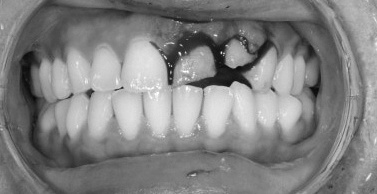
After trauma, a tooth may not fall out,
but it may shift out of position
or become severely loose.
Trying to force it back into place
can cause additional damage
and must never be done.
Avoid touching the tooth as much as possible,
eat only soft foods,
and make visiting a medical facility
as soon as possible your priority.
If the impact was severe,
there may be damage not only to the tooth
but also to the surrounding gums and jawbone.
It is best not to press or touch
the painful area unnecessarily.
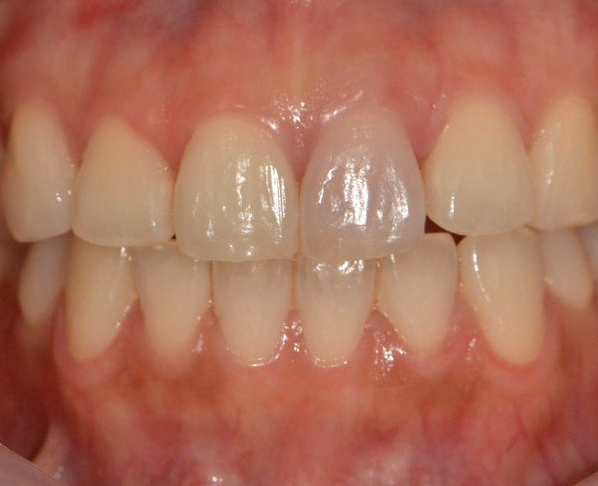
Immediately after trauma, even if the pain is mild,
the nerves or blood vessels inside the tooth
may have been damaged.
In some cases, this may appear
several days or weeks later
as tooth discoloration
or delayed pain.
Because it is difficult to determine
that everything is fine simply because there are no symptoms,
if trauma has occurred,
it is important to visit a clinic
and have the condition of the pulp checked.
At Seonyudo Station Dental Clinic,
we carefully assess the condition of the pulp
after trauma and also determine
whether root canal treatment is necessary.
- Follow-up observation is also necessary after trauma.
Seonyudo Station Dental Clinic explains.
Dental trauma requires
consistent observation for a certain period
even after treatment.
Even if replantation is successful,
complications may occur within several months,
such as resorption of the tooth root
or ankylosis, in which the tooth becomes fused to the bone.
Regular monitoring is therefore important.
Because an injured tooth is at risk
of gradually developing pulp necrosis,
even if there are no immediate symptoms,
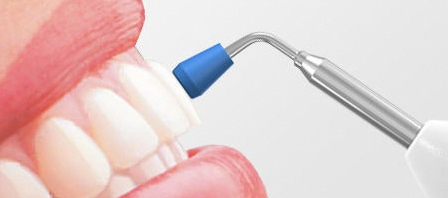
it is standard practice to track its condition
over several months by repeating pulp vitality tests
and radiographic examinations.
If the pulp is confirmed to have died
during this process,
root canal treatment may be necessary.
Therefore, the treatment plan is determined
step by step over time.
In children especially,
trauma to a primary tooth
can affect the development
of the permanent tooth developing beneath it,
so more careful long-term observation is necessary.
Treatment for a traumatized tooth
does not end with a single procedure.
Observing subsequent changes
is just as important as the treatment itself.
At Seonyudo Station Dental Clinic,
we emphasize the importance of managing the tooth
step by step, from treatment immediately after the trauma
through subsequent follow-up observation.
- Closing remarks
The key to dental trauma
is responding correctly without panicking.
Do not touch the root,
place the tooth in milk,
and visit a medical facility quickly.
Even remembering these three principles
can significantly increase
the possibility of saving the tooth.
The difference between knowing these principles
in advance and not knowing them
is greater than you might expect.
If you have young children in your family
or frequently participate in sports,
we especially recommend learning them in advance.
Accidents happen without warning,
but if you respond calmly at that moment,
there may still be a good possibility
of protecting the tooth.
Treatment for a valuable tooth
has already begun from the moment
the accident occurs.
Because traumatic accidents frequently occur
in places where children and adolescents are active,
such as schools, academies, and sports facilities,
if guardians familiarize themselves
with emergency care principles in advance,
they will be able to respond
more calmly in an emergency.
Seonyudo Station Dental Clinic reminds you
that protecting a single tooth
is connected to lifelong oral health,
and recommends preparing
for such situations.
This has been Min-young Kim,
a specialist in conservative dentistry.
Thank you.