Hello,
I am Min-young Kim, a specialist in conservative dentistry at a dental clinic in Dangsan-dong.

You may have experienced tooth sensitivity at least once after chewing something hard and hearing a “snap.”
It is also common to feel a brief, sharp pain while biting into ice or eating tough foods such as squid or nuts.
At times like these, the first concerns that come to mind are:
Could my tooth be cracked?
Could the problem have reached the nerve?
A tooth fracture is common, but the treatment required can vary significantly depending on its severity, so an accurate assessment is important.
Today, at our dental clinic in Dangsan-dong, I would like to explain the relationship between tooth fractures and root canal treatment, which many people often wonder about.
1. Differences in the Types and Depth of Tooth Fractures
Not all tooth fractures are the same.
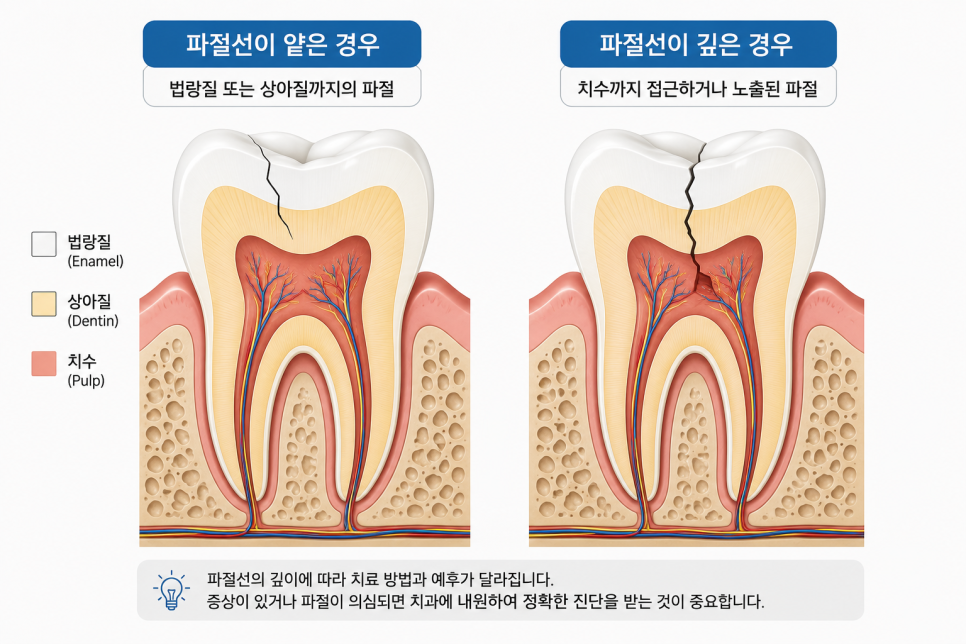
In some cases, only the surface enamel is slightly chipped. In others, the fracture extends into the inner dentin.
More rarely, the fracture may expose the pulp, the nerve tissue at the center of the tooth.
When the fracture reaches the dentin, sensitivity to cold water or sweet foods may occur. If the pulp is exposed, spontaneous pain or pain that worsens at night may accompany it.
Even when the same word, “fracture,” is used, the symptoms and appropriate response may differ depending on the depth of the damage. It is helpful to keep this in mind.
At our dental clinic in Dangsan-dong, we believe that simply understanding these differences in advance can help reduce vague anxiety.
2. When Root Canal Treatment Is Needed and When It Is Not
A fracture does not always lead to root canal treatment.
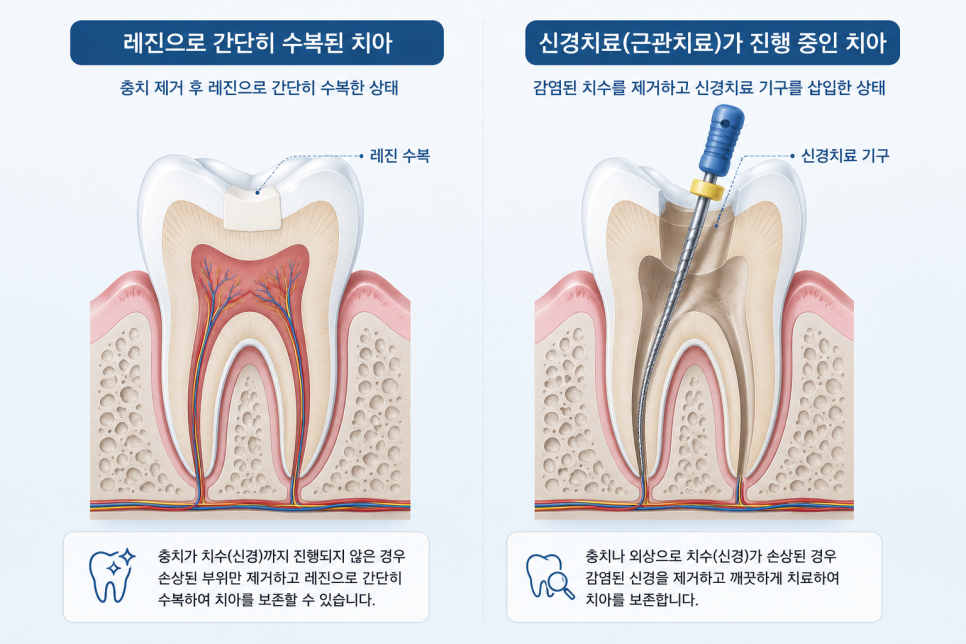
Shallow fractures can often be treated with resin bonding or partial restoration.
In such cases, the nerve tissue may not be significantly affected, and the problem can be addressed with conservative treatment.
However, the situation is different if the fracture is close to the pulp or the nerve has already been exposed.
If a bacterial infection has reached the nerve tissue, or is considered highly likely to do so,
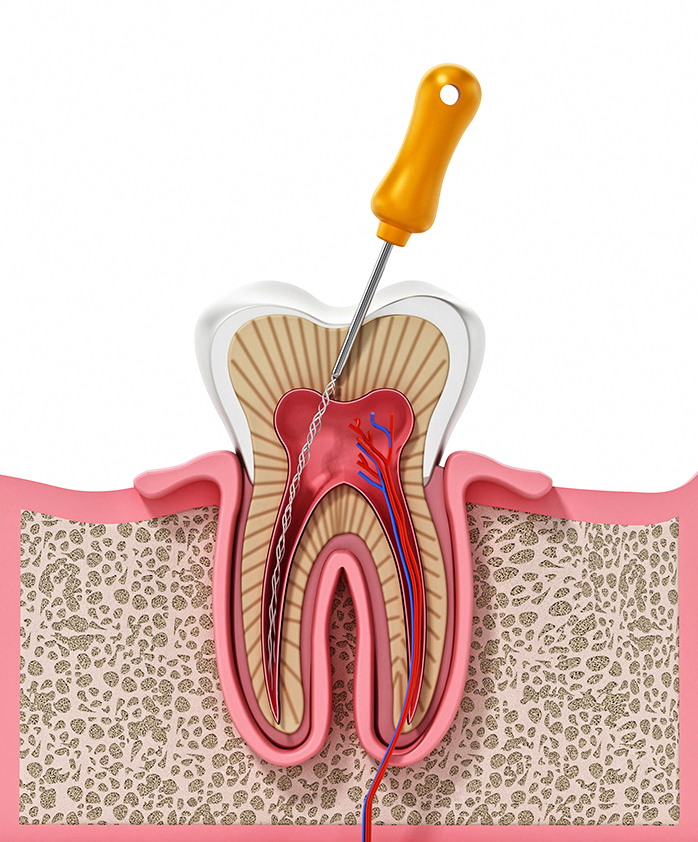
root canal treatment may be considered to address inflammation in the nerve tissue and preserve the tooth.
In particular, if the pain gradually worsens over time after the fracture or sharp pain recurs every time you chew,
it is advisable to seek dental care with the possibility of nerve damage in mind.
When considering dental treatment, noting in advance when the pain began and the situations in which it occurs can help your dentist assess your condition.
3. The Role of Detailed Examinations in Making a Diagnosis
The extent of a tooth fracture is often difficult to determine with the naked eye.
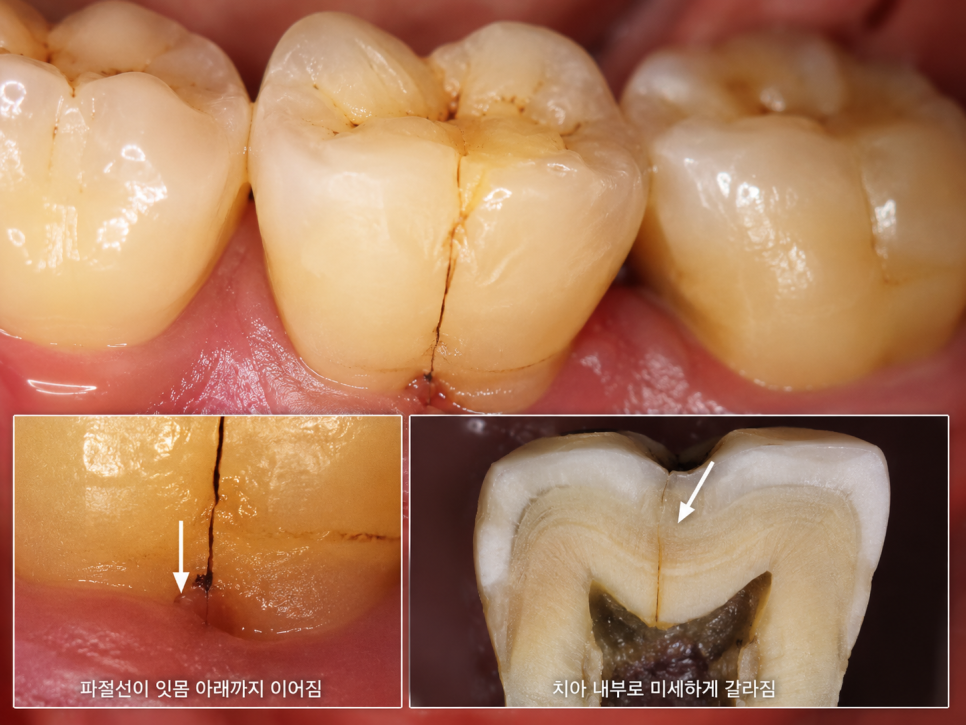
This is because it can be difficult to make a judgment based only on visible symptoms when the fracture line extends below the gum or the tooth has a fine crack running through its interior.
For this reason, at our dental clinic in Dangsan-dong, we believe it is important to determine whether root canal treatment is necessary through a process that includes radiographic examinations and a detailed inspection of the fractured area.
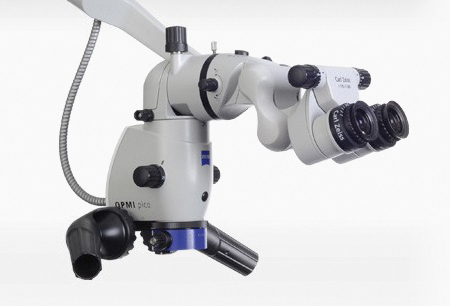
When necessary, a dental microscope can be used to examine the direction and depth of the fracture line more precisely.
This makes it possible to avoid unnecessary root canal treatment while also identifying fine fractures that may otherwise be easy to miss.
An accurate diagnosis must come first in order to establish a reasonable treatment plan.
4. What to Do After Discovering a Fracture
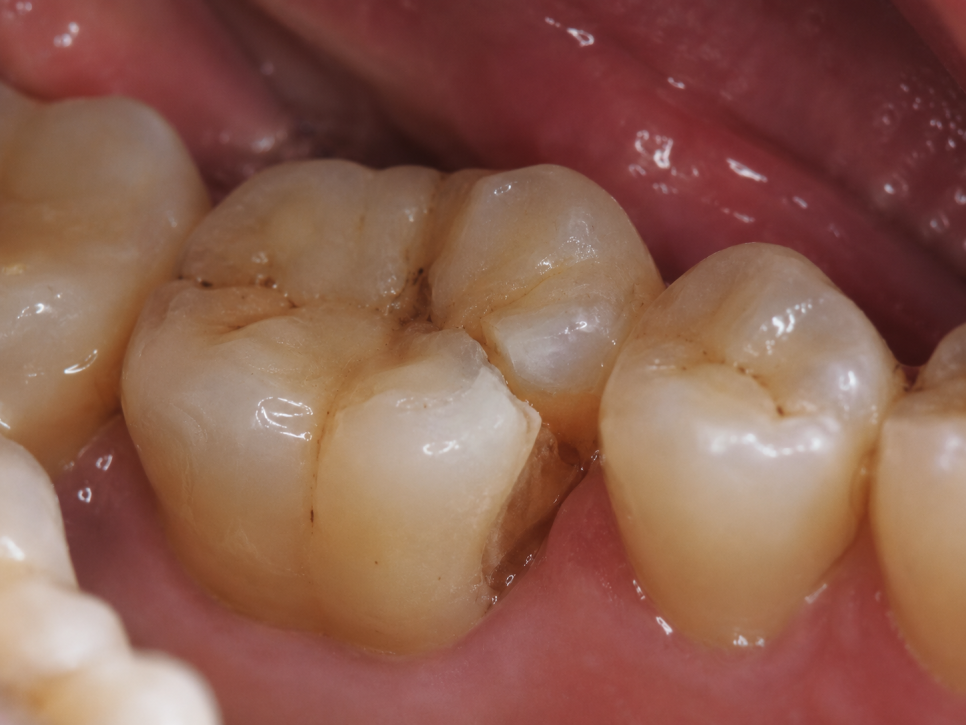
At our dental clinic in Dangsan-dong, we recommend that even if you are not yet planning to visit a dentist after a fracture, you should not ignore a chipped or cracked tooth, even if there is no pain.
This is because even minor symptoms at first can develop over time into a bacterial infection or additional damage.
If a broken piece remains, keeping it and bringing it in for examination may also be helpful.
Receiving an accurate diagnosis in the early stages of a fracture is the best way to preserve as much of the tooth as possible.
I believe that developing the habit of having even small cracks examined early, rather than leaving them untreated, is important for maintaining long-term dental health.
Because the treatment required for a tooth fracture can vary greatly depending on its depth and location,
it is necessary to have the condition evaluated through an accurate examination rather than trying to judge it yourself.
If the fracture is shallow, it may be resolved with simple conservative treatment.
However, if the damage extends to the nerve tissue, root canal treatment at the appropriate time may help preserve the tooth.
At our dental clinic in Dangsan-dong, if you have symptoms suggesting a tooth fracture, we recommend that you do not postpone an examination and have your condition checked in detail.
I believe that the habit of not taking even small cracks lightly is the way to protect your teeth for a long time.
This has been Min-young Kim, a specialist in conservative dentistry.
Thank you.