“Doctor, what should I focus on eating to take care of my gums from here on out?
I’m getting older, after all.”
I’m Kim Tae-hyung, chief director of Banpo Blanche Dental Clinic.
After scaling or gum treatment, this is almost always the question I hear from patients in their 50s and older. In other words, they want to know what they should eat going forward.
When I hear this question, I feel genuinely glad, because patients who also pay attention to their eating habits after treatment usually have a much better gum prognosis.
To be honest as a dentist, food alone does not determine gum health.
That said, among the things you can manage in daily life, few factors have as much consistent impact as your eating habits.
Today, I’ll organize why gums start to break down more quickly after your 50s, and which foods actually help versus which foods can do harm.

Why gums suddenly break down after 50

The reason age 50 or so becomes an important turning point in dentistry is that the regeneration speed of the alveolar bone, the bone that supports the gums, clearly slows from this stage onward.
It helps to think of the alveolar bone as the ground supporting a house. Up through your 40s, even if the ground weakens a little, the body quickly repairs it. But after your 50s, once bone is lost, it hardly recovers.
On top of that, immunity declines and hormonal changes overlap.
As your defense against the bacteria that cause periodontitis weakens, the periodontal pockets (the spaces between the gums and teeth) deepen much faster than they do in your 20s, even when exposed to the same bacteria.
Once the pocket depth exceeds 5 mm, it enters a zone that cannot be managed at home because the toothbrush no longer reaches it.
Foods a dentist recommends for gum health

This does not mean diet is meaningless. Here are the foods I actually recommend to patients in their 50s and older.
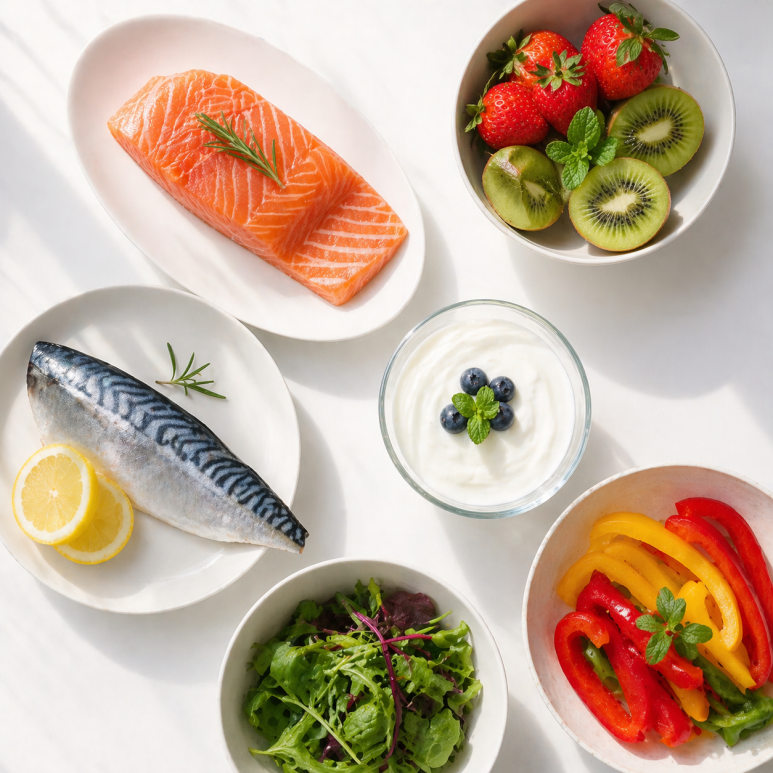
First, oily fish rich in omega-3.
Studies continue to show that the unsaturated fatty acids in salmon, mackerel, and tuna help suppress inflammatory responses in the gums. About 2 to 3 servings per week is generally appropriate.
Second, seasonal fruits and vegetables rich in vitamin C.
Foods that are easy to chew and high in vitamin C, such as strawberries, kiwis, and bell peppers, help with collagen synthesis, which is a major component of gum tissue.
However, fruit contains sugar, so eat it right after a meal and rinse with water.
Third, yogurt and fermented foods rich in probiotics.
They are reported to create a more beneficial environment for oral bacteria, indirectly suppressing the growth of periodontitis-causing bacteria.
These foods can actually damage your gums

On the other hand, some foods that patients in their 50s and older often eat without thinking can place a burden on the gums.
The most common examples are hard nuts and frozen foods. Not long ago, I saw a patient whose molar cracked while chewing frozen jelly, and in fact there are quite a few cases that end up as tooth fractures. After 50, the teeth themselves also have thinner enamel, so you need to be more careful than usual.
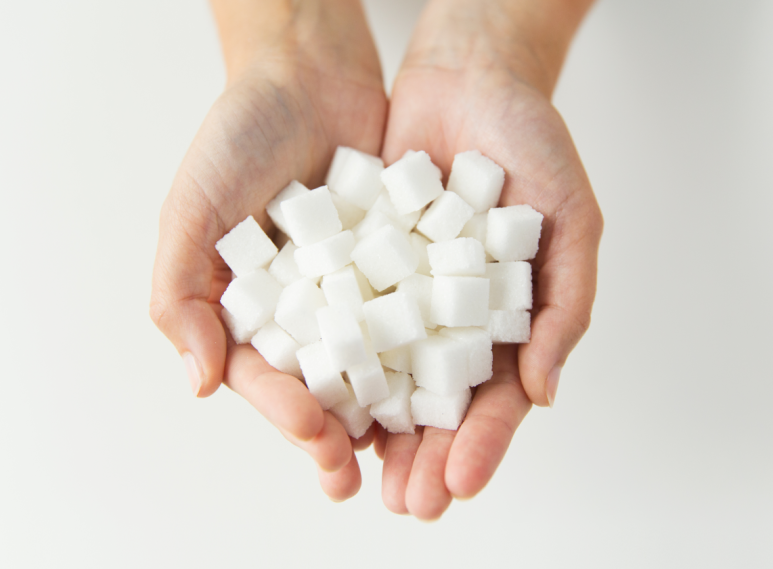
Another one is sweet drinks and candies consumed constantly throughout the day. The longer sugar stays in the mouth, the faster it forms plaque, and plaque is ultimately the main cause of gum inflammation. Vitamin drinks and sports drinks, which are often thought of as healthy, also have high acidity and can erode the gum margin, something many people surprisingly do not know.
And hot, spicy, irritating broths can also weaken the gums when consumed repeatedly. If irritated gums that are already inflamed are exposed to daily stimulation, the speed at which periodontal pockets deepen becomes noticeably faster.
Food is not everything; there is something that must go along with it

There is one point I definitely want to emphasize as a dentist.
Of course, eating habits are important, but food alone does not maintain gum health.
When I see patients in the clinic, it is not uncommon for them to come in after trying to rely only on supplements and diet, only to find that a lot of their gum bone has already been lost.
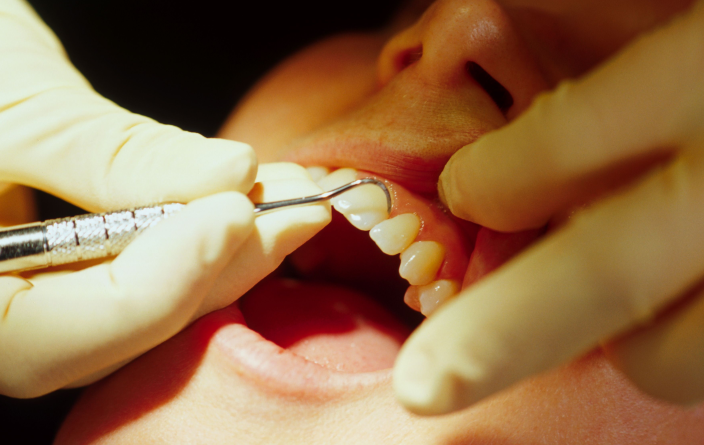
What is regrettable is that once bone has already been lost, it cannot be restored by food or medication.
For gum health after your 50s, the three things that need to go together for proper results are: good food + regular scaling + treatment when needed.
In fact, one X-ray is enough to immediately show how much gum bone remains and how deep the periodontal pockets have become. If you’re starting to manage your diet, it may also be a good idea to check where your current condition stands.
If your gums are already swelling often, please refer to this post as well.
Good food definitely helps ‘maintain’ gum health,
but it is not a way to ‘reverse’ gum disease that has already begun.
After 50, gum health is ultimately a race against time to preserve your natural teeth for as long as possible,
and that battle is won only when eating habits and dental care go hand in hand.
No matter how good an article you read, you cannot know where your gums stand right now unless you look at them directly.
If you have any questions after reading this post, feel free to leave a comment.
This has been Banpo Blanche Dental Clinic. Thank you.
✅ Other helpful posts to read together