“Doctor, it’s been three days since I had my wisdom tooth removed, but it actually hurts more than it did yesterday.
Even painkillers aren’t helping. Is this okay?”
I’m Kim Tae-hyung, director of Blanche Dental Clinic.
After performing several wisdom tooth extractions a day, I hear this question very often.
It’s normal to have pain for about two days after an extraction, but the concern is when the pain actually gets worse starting around days 3–4. If you search online, you’ll come across the term “dry socket,” and you may have become more anxious the more you read.
To be honest as a dentist, normal recovery pain and dry socket pain have distinctly different patterns. Today, I’ll explain the criteria I use when examining patients’ mouths to tell them apart.

How Much Pain Is Normal After an Extraction?
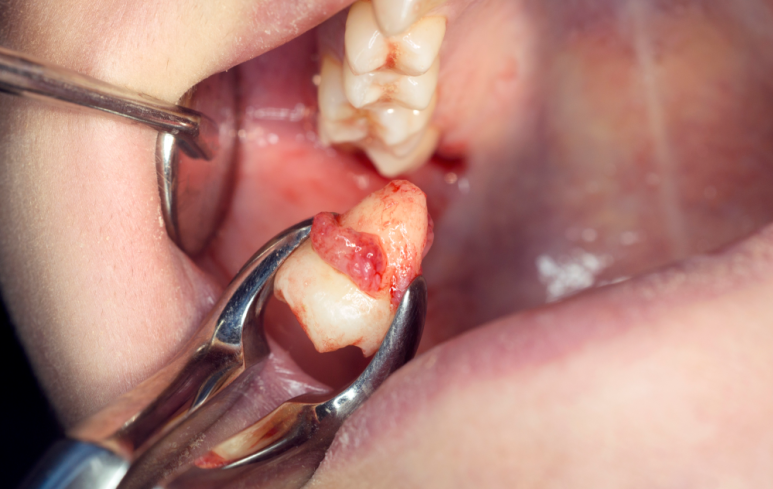
Pain after having a wisdom tooth removed is only natural. The gums were incised, the bone was reshaped, and the tooth was removed from that area.
The pain usually peaks on the day of the extraction and the second day, then gradually decreases from the third day onward. That is the normal recovery pattern.
If you can go about your daily life after taking painkillers, and the pain is throbbing but tolerable, you generally do not need to worry too much.
However, if you are entering the third or fourth day and the pain is getting stronger instead of easing, you should consider the possibility that this is not a normal recovery.
Dentists Assess Dry Socket Based on These 3 Things

A dry socket is a condition in which the blood clot formed after an extraction has been dislodged or dissolved, leaving the bone exposed.
Simply put, a scab should form over the wound, but that scab has come off. In the treatment room, I look at these three things.
First, the timing of the pain.
Normal pain is most severe immediately after the extraction and gradually decreases. In contrast, dry socket pain tends to suddenly worsen two to three days later. When patients say, “It was fine at first, but then it suddenly started hurting,” that is a very typical description.
Second, the range of the pain.
Ordinary extraction pain is limited to the area around the extraction site, while dry socket can cause radiating pain extending toward the ear, temple, and, in severe cases, below the eye. Many patients describe it as a throbbing pain throughout one side of the jaw.
Third, the condition of the extraction site.
Normally, the extraction site should be filled with a dark red blood clot. If the site is empty and grayish-white bone is visible, that is a typical finding of dry socket. If you look inside your mouth with a mirror and see an open hole with something white inside, you should visit a dentist right away.
The Problem Is Often Caused by Surprisingly Minor Actions

The causes of dry socket are not particularly dramatic.
Sucking a drink through a straw, rinsing your mouth forcefully on the day of the extraction, or smoking.
These actions create negative pressure in the mouth, which can pull out the blood clot.
In other words, it is like picking off a scab that has only just formed with your fingernail.
When I ask patients in the treatment room, “What did you eat or drink after the extraction?” most of them do not remember clearly.
They often say, “Um… I don’t think I had anything special, maybe just an iced Americano?”
In many cases, a small action they took without realizing it ends up being the cause.
Smoking in particular can be very harmful.
The sucking motion itself can dislodge the blood clot, and nicotine constricts the blood vessels, slowing wound healing.
It is best to avoid smoking for at least three days after the extraction, and preferably for a week.
It is also risky to poke at the area with a toothpick because food has become stuck.
Gently rinsing with mouthwash will allow it to resolve naturally over time.
What to Do If You Suspect Dry Socket
If you visit the clinic because you suspect dry socket, we disinfect the extraction site and perform a dressing treatment by filling it with medication.
Usually, replacing the dressing once or twice at two- to three-day intervals greatly reduces the pain, and the area recovers normally within one to two weeks.
The treatment itself is not difficult. The problem is when patients wait too long because they are trying to endure the pain. If dry socket is left untreated, a secondary infection can develop in the exposed bone. In that case, treatment may take longer because inflammation must be treated in addition to simple dressing changes.
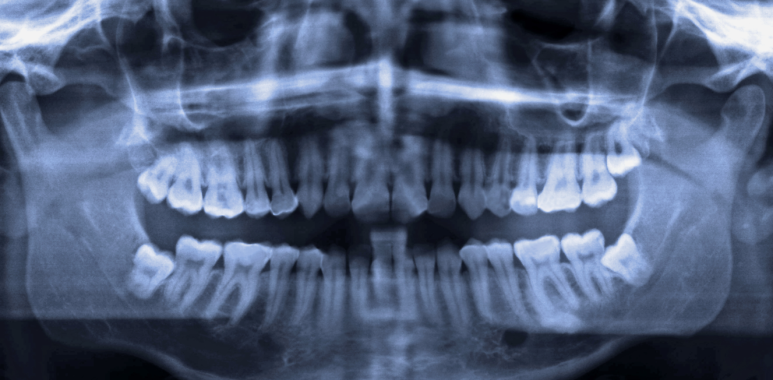
A single X-ray can immediately confirm the condition of the bone and whether an infection is present, but I have seen many people whose condition worsened while they were wondering, “Should I wait a little longer?”
If you are curious about pain or the recovery process after wisdom tooth extraction, you may also want to refer to this article.
In reality, it is difficult to determine accurately from written information and explanations alone whether pain after an extraction is normal or due to dry socket.
The timing and range of the pain, as well as the condition of the extraction site, all need to be checked directly before an answer can be given.
If you have any further questions after reading this post, please feel free to leave a comment.
This was Banpo Blanche Dental Clinic. Thank you.
✅ Recommended Reading