"Doctor, while brushing my teeth, I noticed something bulging under my tongue..
It feels soft when I touch it, and the color is slightly bluish. Could this be something serious?"

When conducting oral examinations, we often see people who are worried because they have discovered a fluid-filled cyst under their tongue.
It is only natural to feel anxious when something unfamiliar suddenly appears in your mouth, which you see every day.
Searching online also brings up frightening words such as lumps and tumors.
To get straight to the point, in most cases, it is a benign fluid-filled cyst called a ranula. It is not cancer.
However, there is a reason why you need to understand it properly and respond appropriately.
Today, I will explain why ranulas develop, how they are treated, and why you should never try to pop one yourself.

What Is a Ranula?
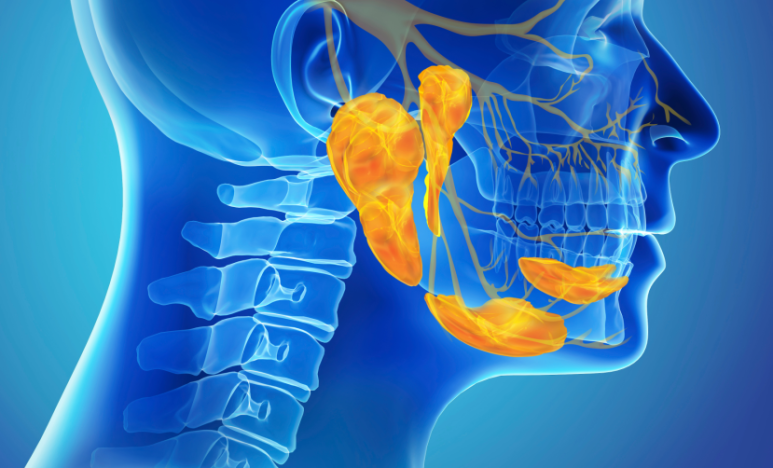
A ranula is a fluid-filled cyst that develops on the floor of the mouth under the tongue. It forms when the duct of the sublingual gland, one of the salivary glands in the mouth, becomes blocked or damaged, preventing saliva from draining and causing it to collect in the surrounding tissue and swell.
It is similar to a garden hose that becomes kinked, preventing water from flowing out and causing the hose to bulge.
The name is interesting: “ranula” comes from a word meaning frog. It was given this name because the swollen cyst resembles a frog’s belly. In Latin, ranula means “little frog.”
It can range in size from as small as 1–2 cm to several centimeters, and it is usually transparent or bluish.
There is usually little to no pain, but you may feel a foreign-body sensation when your tongue is raised or when speaking.
Ranula Causes: Why Does It Develop?
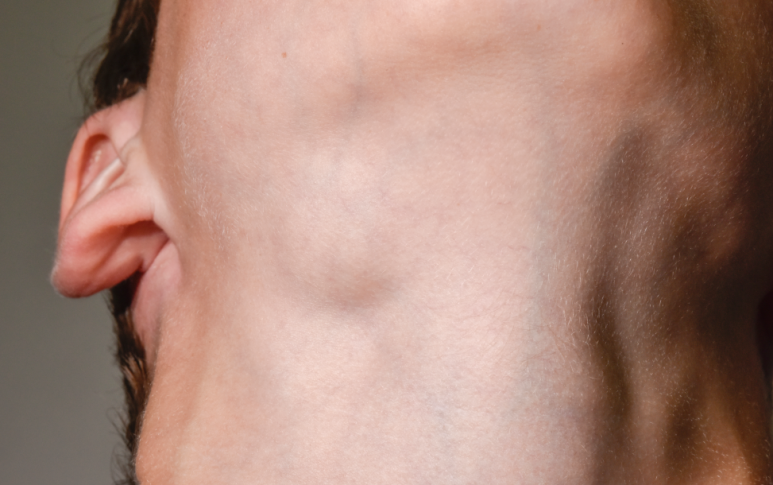
There are two main causes.
First, damage to the salivary duct. The duct can be damaged by biting the underside of the tongue while eating, being scratched by hard foods, or experiencing physical irritation during a dental procedure.
When we ask in the examination room, “Have you injured the underside of your tongue recently?” most people do not remember. They often say, “I don’t think I injured it in any particular way, but I do occasionally bite it while eating.” In many cases, small injuries accumulate without the person realizing it.
Second, blockage of the salivary duct. This can happen when calcium in the saliva clumps together and forms a salivary stone, or when the duct itself narrows and saliva cannot drain properly.
Regardless of the cause, the basic process is the same. When saliva loses its path out, it collects in the surrounding tissue and forms a fluid-filled cyst.
Why You Shouldn’t Pop a Ranula
When you feel a fluid-filled cyst in your mouth, you may instinctively want to press or pop it with your fingers.
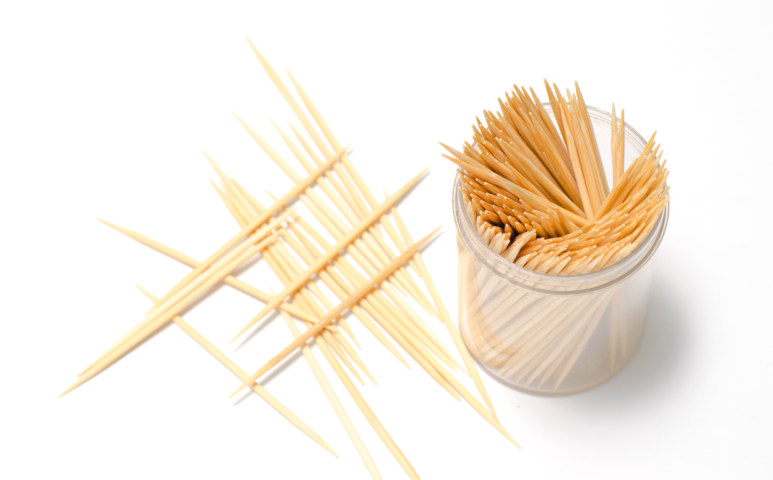
Surprisingly, some people have actually tried popping one themselves with a needle or toothpick.
Popping it may temporarily reduce the swelling as the fluid drains out. This can make you think the problem is solved, but the underlying cause has not been addressed. The blocked salivary duct is still blocked, so saliva collects again, and the cyst returns to its original size within a few days.
In addition, using an unhygienic tool to pop it creates a risk of bacterial infection. If an infection develops on top of what was a simple fluid-filled cyst, it can swell and become painful, making treatment more complicated.
A ranula is different from a blister on the skin. The underlying cause—the salivary duct—must be addressed.
Touching it yourself will only make the situation worse.
How Is a Ranula Treated?
Ranulas are treated in oral and maxillofacial surgery or otolaryngology departments. There are two main methods.
First, marsupialization.
The roof of the cyst is removed so that its contents can drain naturally.
This is a relatively simple procedure, but it can recur if the duct becomes blocked again.
Second, sublingual gland excision.
This procedure removes the sublingual gland itself, which is the source of the problem, along with the cyst.
Because it has a significantly lower recurrence rate than marsupialization, excision is generally recommended when the ranula repeatedly recurs.
If it is very small and causes no symptoms, monitoring may be all that is needed. In some cases, it may rupture naturally and disappear.
However, this is something a specialist should determine; it is not a decision you should make on your own simply by choosing to wait and see.
Rarely, a ranula can extend beyond the floor of the mouth into the area beneath the jaw.
This is called a plunging ranula. In such cases, the area beneath the jaw may become swollen, and additional examinations by an otolaryngologist may be necessary.
If you are concerned about unusual symptoms in your mouth, you may also find this article helpful.
There is no need to panic simply because a fluid-filled cyst has developed in your mouth, but it is also not something you should pop yourself or leave untreated. Whether it is a ranula or another condition can usually be distinguished through visual examination and palpation, so if you notice one, it is best to have it checked at a nearby dental clinic or oral and maxillofacial surgery department.
This was 반포 블랑쉬치과의원, always wishing our patients good health. Thank you.