After hearing a treatment plan at a dental clinic, some patients hesitate, wondering whether they really need to undergo all of it, and visit us for a second opinion.
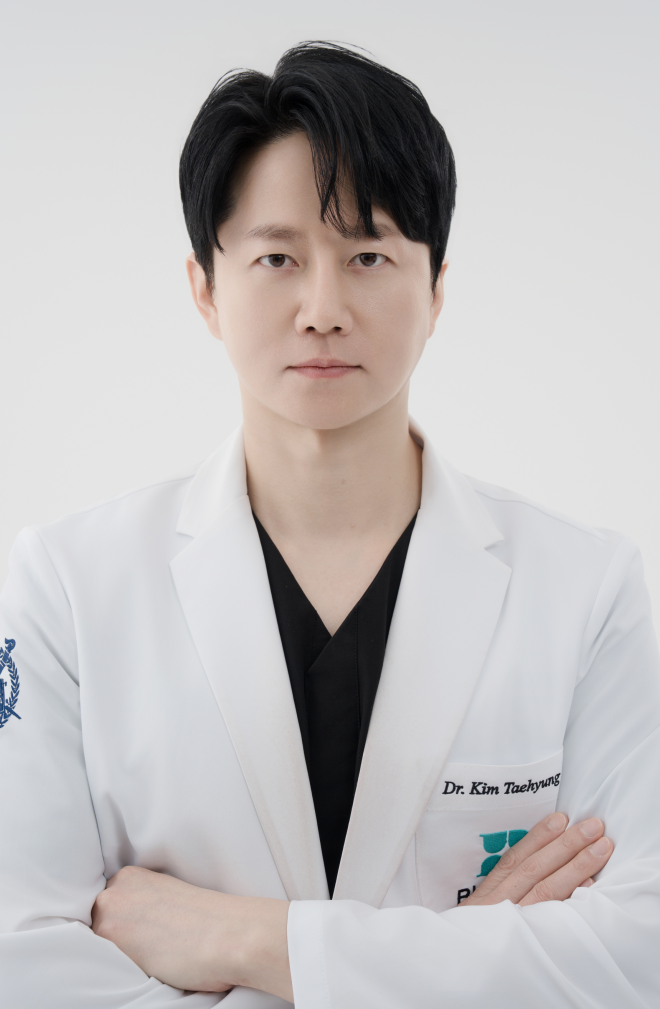
Hello. I am Kim Tae-hyeong, director of Gangnam Blanche Dental Clinic.
I often meet patients in the treatment room who come with these concerns. Because dental treatment involves areas that are difficult to see, it is only natural for patients to find it difficult to judge whether a procedure is truly necessary. Even searching online can make them more anxious, as the results are often filled with warnings to “beware of overtreatment.”
So today, I would like to honestly summarize the criteria we use to decide whether to recommend treatment.
Rather than offering a promise that sounds like an advertisement, I will explain exactly how I make decisions in the treatment room.
We do not shave every tooth simply because it can be shaved

Once a tooth is shaved, it does not grow back. That is why, even when shaving is technically possible, Blanche Dental Clinic first considers whether it is truly necessary.
For example, in treating a cavity, covering the entire tooth with a crown may make the procedure easier, but doing so requires removing a substantial amount of healthy tooth structure as well. If the tooth can be treated by filling only the damaged area with an inlay, we first consider avoiding additional shaving.
Shaving everything simply because it can be shaved is like tearing down a sound wall while renovating a house.
To be honest, covering more of the tooth and performing more extensive work is faster and more profitable from a dentist’s perspective.
If a tooth that could be treated with an inlay is treated with a crown instead, the treatment fee increases.
Even so, I first look for the option that removes less tooth structure because once a tooth has been shaved away, the patient can never get it back for the rest of their life.
The loss is borne not by me, but by the patient.
We do not extract every tooth simply because it can be extracted
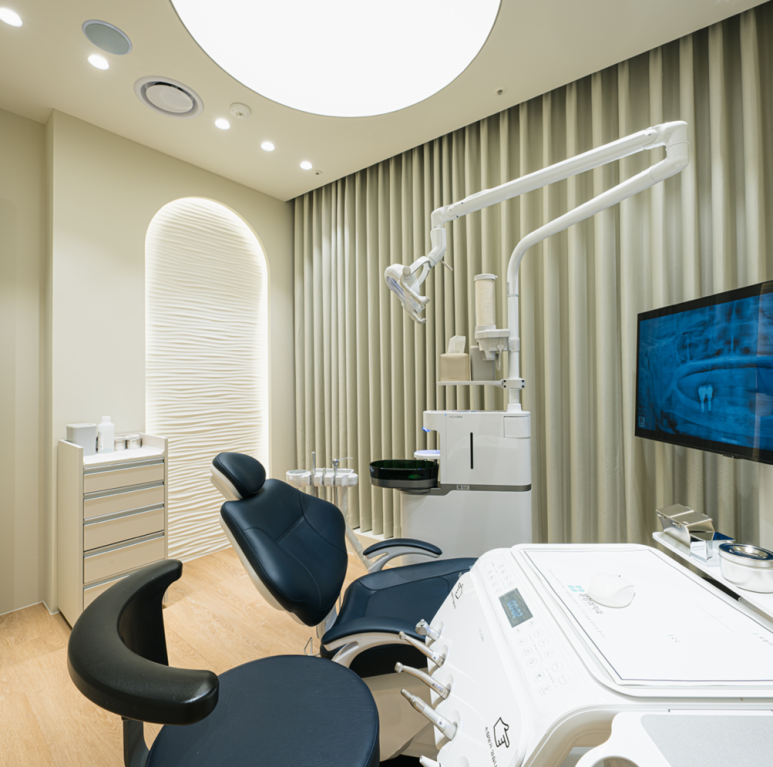
The same applies to extraction. Removing a loose tooth or one with a deep cavity and replacing it with an implant may seem like a clean solution, but no matter how well an implant is made, it is difficult for it to completely replace a natural tooth with its own living nerve. That is why we keep extraction as a last resort.
We first carefully consider whether the tooth can be saved with root canal treatment or maintained with gum treatment. Only when those options are not viable do we discuss an implant. We recommend implants when there is no other option, not because extraction is simpler. Of course, trying to hold on to a tooth that cannot be saved can damage the neighboring teeth, so the key is to assess that boundary precisely.
There is also a personal reason I came to care so much about preserving teeth.
A family member received an implant at a well-known clinic, and I personally saw that its condition had deteriorated several years later.
At that time, I realized once again that extraction is an irreversible choice. Since then, I have always paused one more time before suggesting that a tooth be removed.
The same dentist follows your treatment through to the end
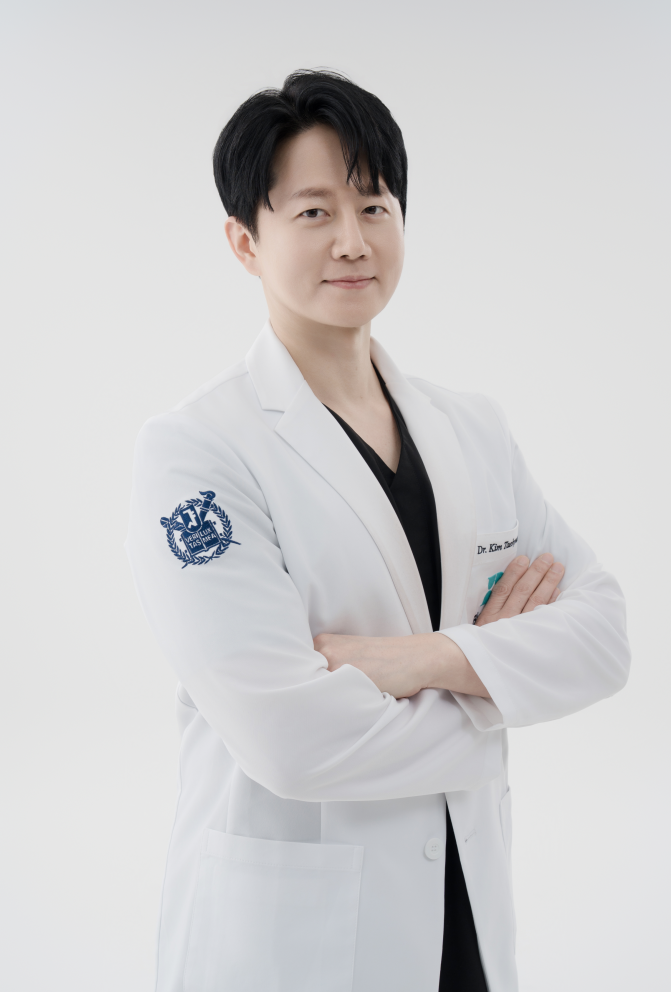
Who oversees your treatment is just as important as the treatment itself.
If the dentist in charge changes each time you visit, the intent behind the initial diagnosis can easily become unclear along the way.
Patients also have to explain everything again from the beginning at every visit.
That is why Blanche Dental Clinic considers it a basic principle of care for the dentist who makes the initial diagnosis to oversee the case with the same perspective through to the final prosthetic treatment.
This is especially true for treatments such as implants, which require looking five or ten years ahead.
Having good materials and equipment is important, but I believe the hands of one person who takes responsibility for managing the treatment through to the end can determine the outcome. That is why I try to personally oversee the treatment of patients I diagnose whenever possible, all the way through to completion.
Treat what cannot be seen with the same care
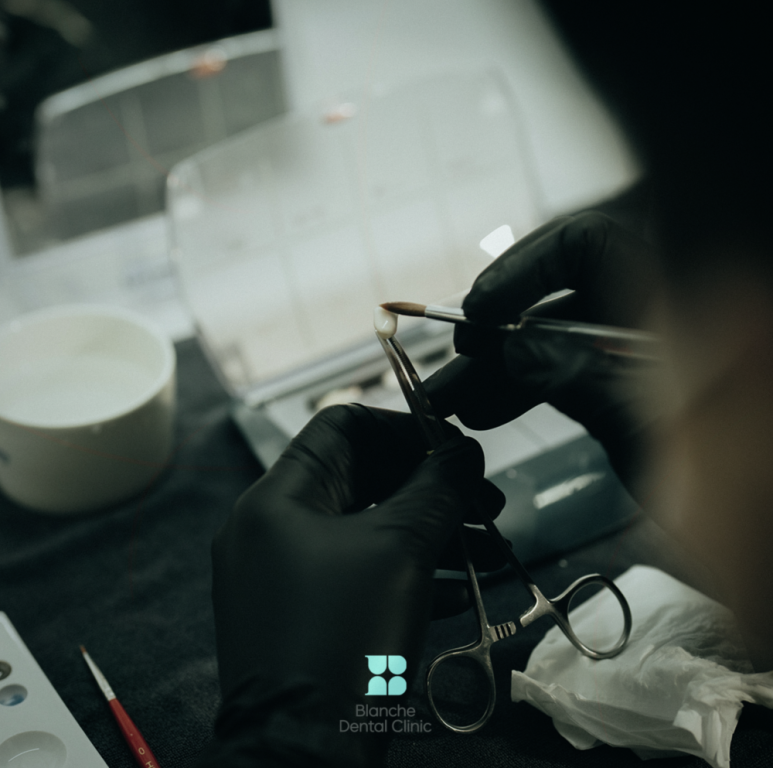
There is a story Steve Jobs learned from his father, who made furniture.
Even areas no one sees, such as the back of a drawer, should be finished with the same care. That is because the person who made it knows.
Dental treatment is the same. Areas patients cannot see, such as the inside of a crown and the finishing beneath the gums, actually affect how long the treatment lasts.
If you focus only on visible areas, everything may look fine at first, but the difference in the finishing ultimately becomes apparent several years later.
Because I know whether that unseen area has been done properly, I pay even closer attention to it.
To sum up, the criteria we use to decide on treatment are simple.
We shave only when it is necessary, extract only when it is necessary, and have the person who made that decision take responsibility through to the end.
So when you visit Blanche Dental Clinic, we will honestly explain which treatments are necessary and which ones can still wait.
If you have come because you are wondering whether treatment is necessary, we will find the answer as honestly as possible.
This was Gangnam Blanche Dental Clinic. Thank you.