Daiso Toothpaste Recommendations
What a Banpo Dentist Says
Why the Recommendation Changed After One Year
Hello.
I’m Kim Tae-hyung,
Director of Blanche Dental Clinic in Banpo.
When you visit the oral-care section at Daiso,
you’ll find far more types of toothpaste
than you might expect. ^^
The prices are similar,
and the wording on the packaging varies,
so when you actually try to choose one,
you may end up standing there for quite a while. haha
In the end,
many people tell me,
“I just bought one that seemed reasonably priced and unremarkable.”
The reason is simple.
Because they don’t know what criteria to use
when choosing toothpaste,
they end up looking at the price or the products they already recognize. haha
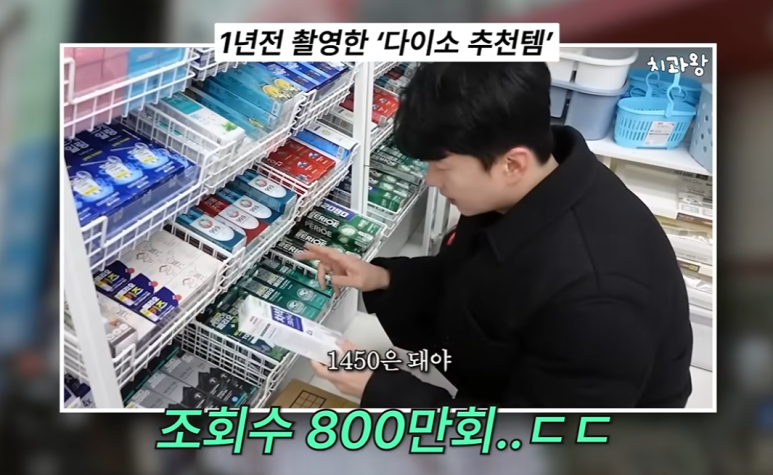
In fact, about a year ago,
I personally looked around Daiso’s shelves
and put together a list of toothpastes
that might be worth recommending.
But when I visited again recently,
I noticed that some of the products I had seen back then
were gone,
while others had been replaced by new products. ;;
So this time,
rather than recommending only specific product names,
I’ll explain, step by step,
what to check first on the ingredient label
when choosing toothpaste at Daiso.
- Why Daiso Toothpaste Recommendations
Changed After One Year
First, let me explain
what has changed between a year ago and now. ^^
The oral-care section
has a faster product turnover than you might expect.
If you visit Daiso often,
you probably know that
the shelf selection changes fairly frequently.
A toothpaste that was available last year
may be gone this year,
while new products
may have taken its place. haha
That’s why it’s much more helpful
to know the criteria for choosing toothpaste
than to remember product names.
In particular,
high-fluoride toothpaste, which used to be difficult to find,
seems to be relatively easy to spot these days. ^^
So what does “high fluoride” mean here,
and what information should you check
on the back of the toothpaste?
Let’s take a closer look.
- Criteria for Choosing Daiso Toothpaste:
Check the Fluoride Content First
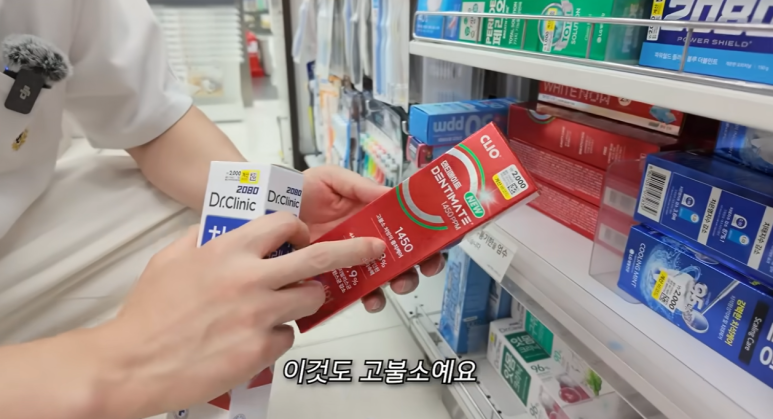

When you turn over a tube of toothpaste,
you’ll see a lot of small print.
The first thing to check
is the ppm number indicating the fluoride content.
Many adult toothpastes on the market
contain around 1,000 ppm,
while products close to the permitted upper limit
are labeled 1,450 ppm.
The ingredient name varies by product
and may be listed as sodium fluoride,
but you only need to look at the number. ^^
The reason we look at fluoride
is that it helps the enamel,
the outermost layer of the teeth,
resist acids more effectively,
which can help prevent cavities.
So if cavity prevention is a priority,
it’s a good idea to check the fluoride content
when choosing toothpaste.
However, for children,
rather than using the same criteria as for adults,
you should check the fluoride concentration and amount used
according to their age and ability to spit out the toothpaste.
For children under six,
please choose a low-fluoride product
instead of a high-fluoride toothpaste.
Young children in particular
may swallow toothpaste,
so it’s important to use only the age-appropriate amount
rather than squeezing out a lot.
Once you’ve checked the fluoride,
there’s another thing
many people wonder about.
That’s whitening toothpaste.
This time, I’ll explain how to interpret the word “whitening.”
- Whitening Toothpaste
Does Not Change the Color of Your Teeth
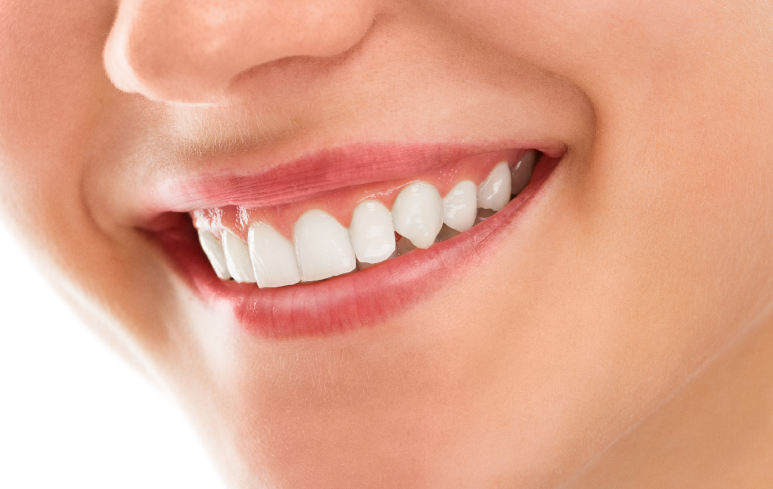
I think I need to be
a little honest about this point.
Toothpaste does not make
the teeth themselves white. ^^;
Instead, whitening toothpastes contain ingredients
that remove surface stains
or make them less likely to stick.
So surface stains caused by coffee or smoking
may become lighter,
but toothpaste cannot change the pigments
inside the teeth.
Therefore, if you use whitening toothpaste for a long time
and the color you see in the mirror remains the same,
you are looking at your teeth’s natural color,
not surface staining.
There’s one more thing to consider.
If you use a product with strong abrasives
forcefully every day,
the enamel may become worn down.
The problem is that abrasive strength
is not separately indicated on toothpaste sold in Korea,
so it can be difficult to judge by sight.
So if a toothpaste feels particularly rough,
I recommend avoiding it as an everyday toothpaste. ^^;;
In short, brightening the color of the teeth
is the role of professional dental whitening products.
Then how should you choose
the toothpaste that’s right for you?
- How to Choose Toothpaste
Based on Your Oral Condition
From this point on,
the right answer differs from person to person.
If you frequently develop sores in your mouth
or experience recurring canker sores,
it may be worth checking
the surfactant ingredients in your toothpaste.
A toothpaste that produces a lot of foam
may feel as though it cleans more thoroughly,
but more foam does not necessarily mean
better cleaning power.
Conversely, if your gums often swell
or your gums tend to bleed when you brush,
you can check whether the toothpaste contains
ingredients that may help care for the gums.
If your teeth often feel sensitive
to cold water or cold foods,
you can also check whether it contains
ingredients for relieving tooth sensitivity.

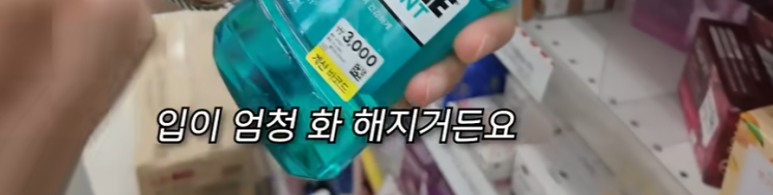

You can view the mouthwash
in the same section in a similar way.
Some people think that the stronger the burning sensation
when using it, the better it works,
but products with a high alcohol content
may make your mouth feel dry.

Some of you may feel unnecessarily more worried
as you examine the ingredients one by one. ^^;
Just because a product is sold at a household-goods store
doesn’t mean you need to view the product itself
with greater concern. haha
There are more types of products these days,
and their ingredients have become more varied,
so rather than looking only at the price tag,
it’s a good idea to check the back
for the ingredients you actually need.
That covers how to choose toothpaste.
But there is one thing left
that you should actually consider
more important than the toothpaste itself. ^^
- Why You Should Look at the Toothbrush First
Before Choosing Daiso Toothpaste
No matter how well you choose your toothpaste,
areas that the toothbrush does not reach properly
may remain uncleaned.
That’s why the size and shape of the toothbrush
are just as important as the toothpaste.
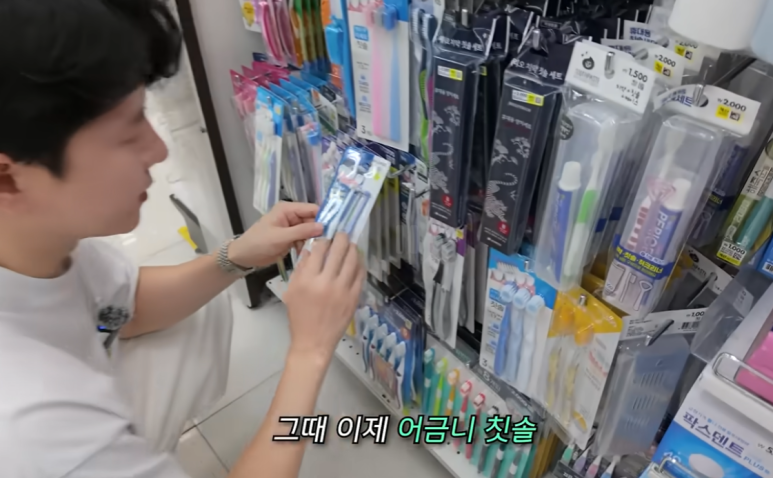


Many people think that the larger a toothbrush is,
the more refreshing the cleaning feels. ^^;
But if the toothbrush head is too large,
it may be difficult to reach narrow areas,
such as the inner or back surfaces of the molars.
That’s why I generally recommend
a relatively small toothbrush
that fits the size of your mouth. ^^
If you have implants or orthodontic appliances,
using a small-tipped end-tuft brush as well
may help you clean hard-to-reach areas.
Once you’ve chosen a toothbrush,
the next thing to consider is between the teeth.
If your interdental brush breaks frequently while you use it,
it’s better to slightly bend the lower plastic handle
rather than bending the wire itself.
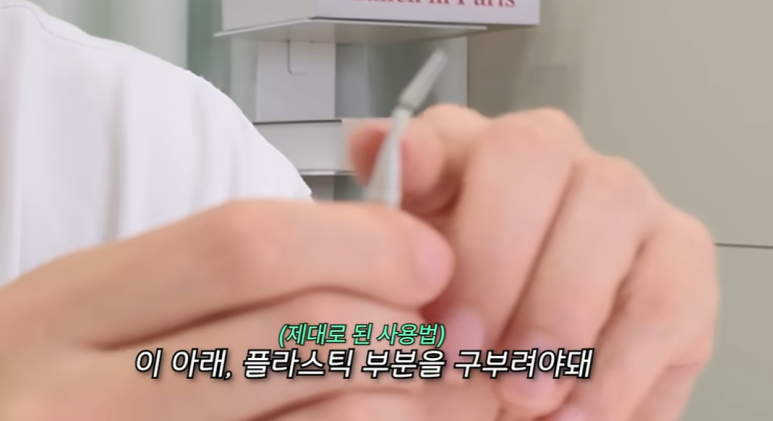
Repeatedly bending the wire
can weaken it easily.
Start with the thinnest size,
and do not force it into areas where it does not fit easily. ^^
In those cases,
you can also try using floss
or an oral irrigator.
Ultimately, what matters is not simply choosing one good toothpaste,
but using a toothbrush and interdental-care tools
that suit your mouth.
Even changing your tools slightly
can make it much easier to care for areas
that were not cleaned well before. ^^
In Conclusion
To summarize today’s content simply,
when you’re looking for a Daiso toothpaste recommendation,
the things to check in front of the shelves
are the fluoride level, the ingredient label,
and your own oral condition.
If you remember these three things,
you’ll still be able to choose well
even if the products change again a year from now.
When I stand in front of the shelves,
I look at the back first, almost as a professional habit. haha
However, if you’re concerned about the color of your teeth,
changing toothpaste often will not solve the problem. ^^
It can be difficult to tell just by looking
whether the color is staining
or the natural color of the teeth.
In such cases,
if you simply show it to me at the clinic,
I’ll check it for you personally.
If anything is confusing as you look through the ingredient label,
you’re welcome to leave a comment. ^^
Wishing you a bright, radiant smile,
Kim Tae-hyung,
Director of Blanche Dental Clinic
Frequently Asked Questions
Q. Is there a specific Daiso toothpaste
that you recommend?
A. The product selection changes frequently,
so the criteria are more important than the name.
Q. Is toothpaste with 1,450 ppm fluoride
good for everyone?
A. It is beneficial for preventing cavities in adults,
but low-fluoride toothpaste is appropriate for young children.
Q. Will using whitening toothpaste
make my teeth white?
A. Surface stains may become lighter,
but the natural color of the teeth remains the same.
Q. Is it true that squeezing out more toothpaste
means your teeth will be cleaned better?
A. What matters is not the amount,
but where and how thoroughly you brush.
Q. What size interdental brush
should I start with?
A. Start with the thinnest one,
and do not force it to make the space wider.
Q. Will changing toothpaste alone
remove staining?
A. It may reduce surface stains,
but if the staining is severe,
you should consult a dentist.