Sinus Lift Surgery
How to Improve Implant Success Rates
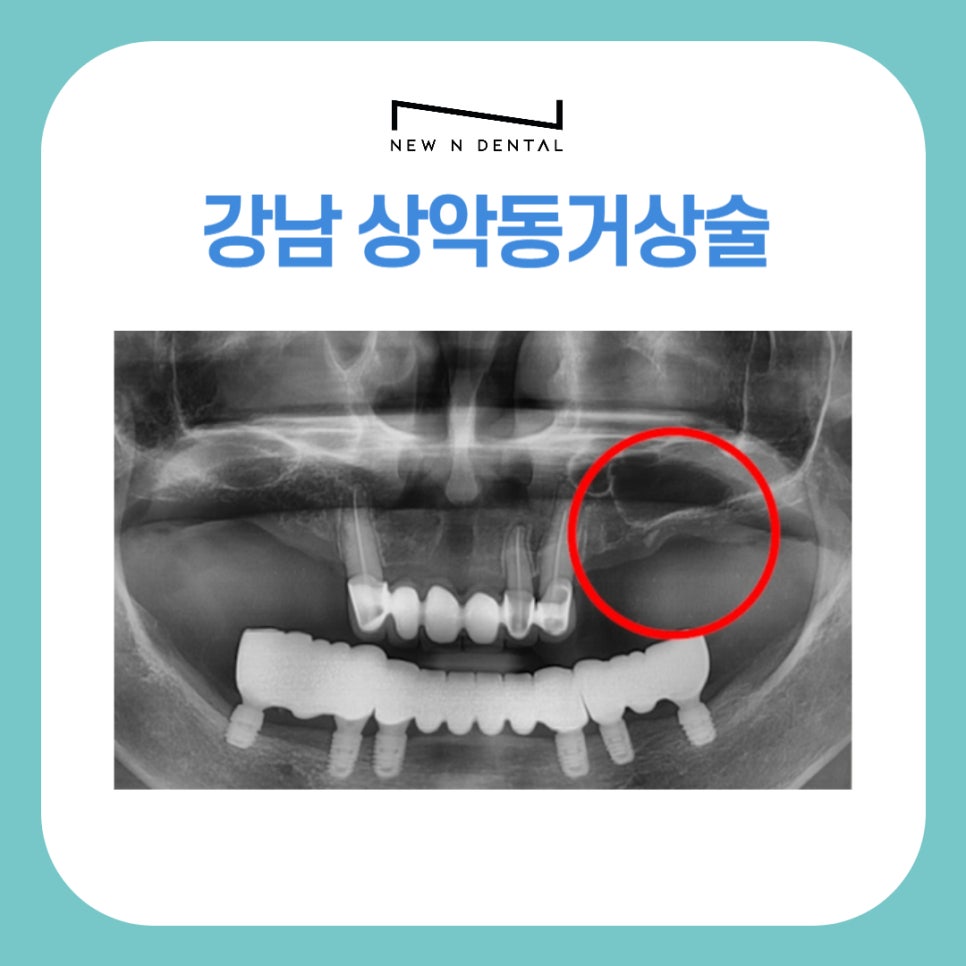
Hello. This is Gangnam New N Dental Clinic.
In this post, we will take a look at sinus lift surgery.
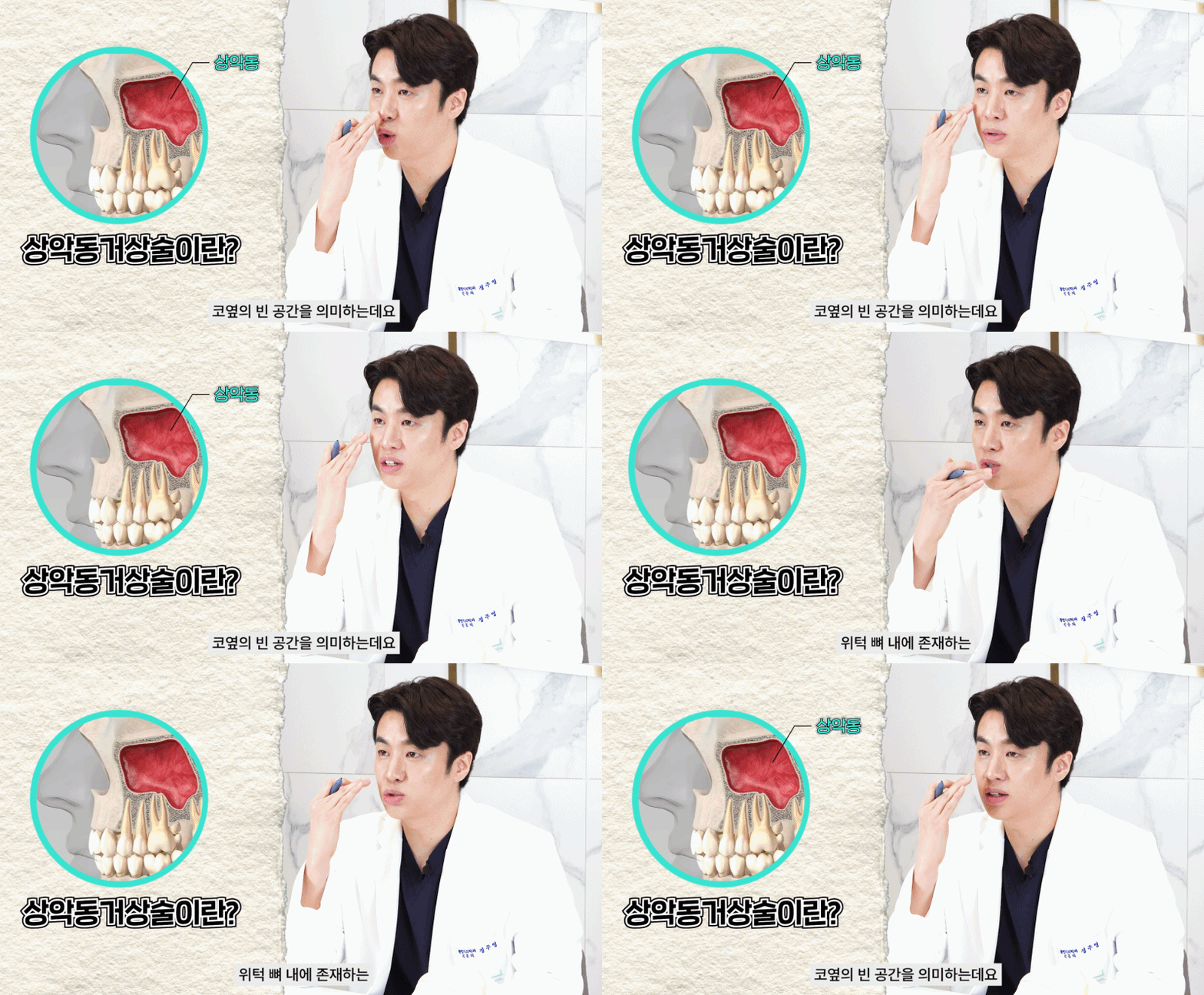
Sinus lift surgery is a procedure that raises the floor of the maxillary sinus (one of the sinuses beside the nose)
to supplement insufficient alveolar bone.
When placing an implant near the upper molars,
if there is not enough bone height, fixation becomes difficult.

To address this, sinus lift surgery
raises the maxillary sinus membrane,
and bone graft material such as artificial bone or autogenous bone is placed in that space
to help the implant settle firmly.
Cases where sinus lift surgery is needed
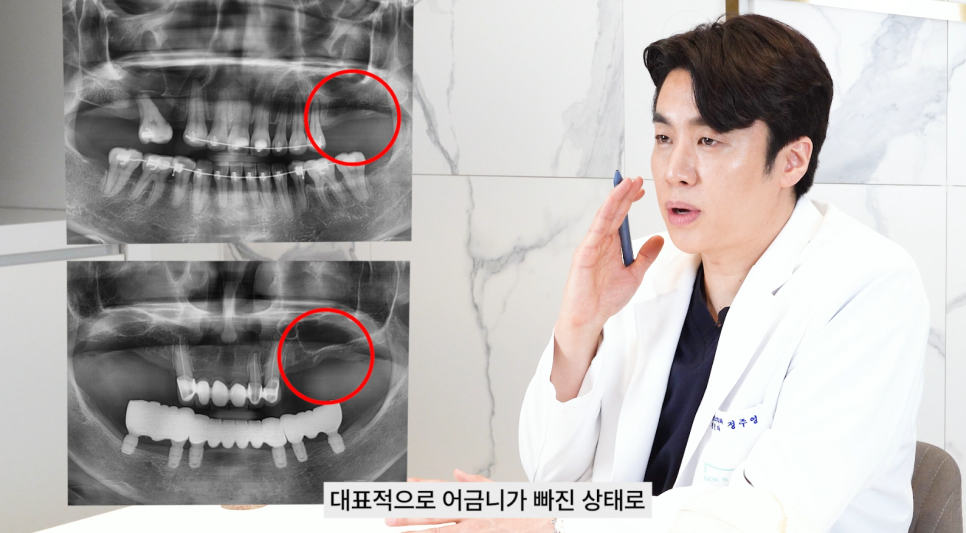
- When a maxillary molar has been missing for a long time
If a tooth that was lost long ago is left untreated,
the gum bone is resorbed and becomes lower in height.
At that point, there is not enough bone available to place an implant,
so sinus lift surgery is needed.
- When the maxillary sinus is naturally low
The size and position of the maxillary sinus vary slightly from person to person.
If the maxillary sinus is naturally positioned low,
it becomes difficult to place an implant in the molar area,
and sinus lift surgery is considered.

- When bone has been lost due to tooth and gum disease
As periodontal disease progresses, the gum bone decreases,
making it difficult for the implant to be stably fixed.
Therefore, sinus lift surgery may be recommended
to supplement bone thickness or height.

Types of sinus lift surgery
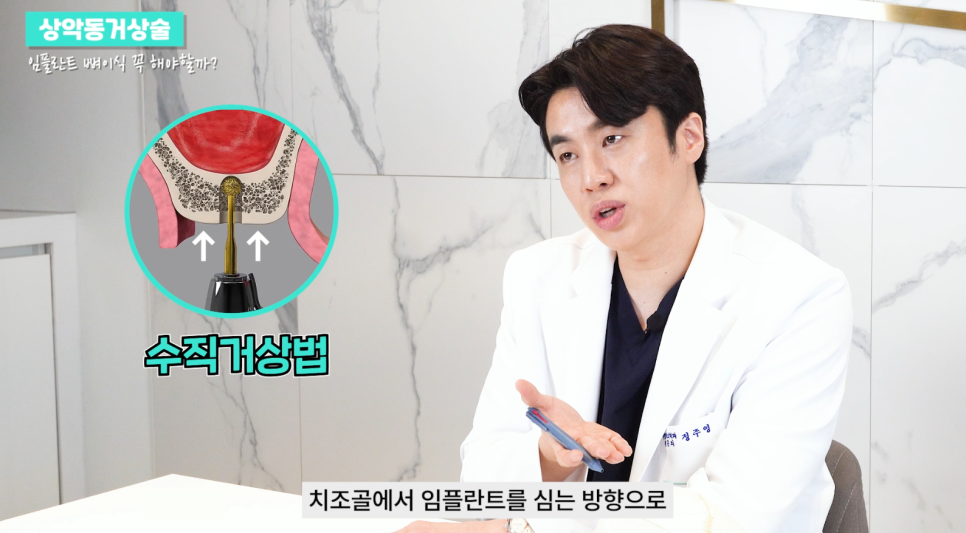

- Vertical lift method (closed technique)
A small hole is made at the implant placement site,
and the maxillary sinus membrane is carefully lifted through it.

<Advantages>
Small incision range
Because only a relatively small hole is made,
the surgical area is narrow, and bleeding and pain are relatively mild.
Shorter recovery period
Because the incision is not large,
swelling and pain after the procedure are relatively minor, and return to daily life is faster.
Possibility of simultaneous placement
If a certain amount of residual bone height is available,
the implant can be placed at the same time as the sinus lift,
which can shorten the treatment period.
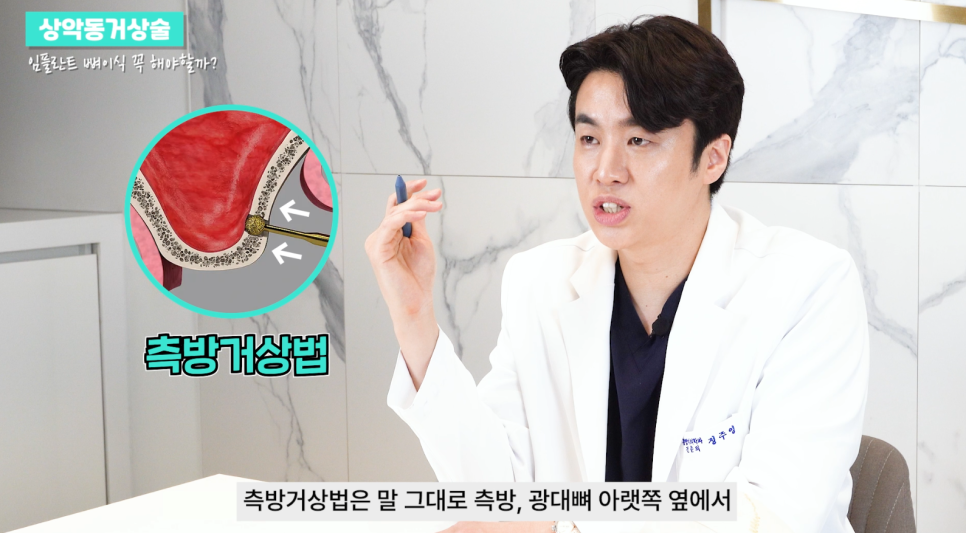
- Lateral lift method (open technique)
This method creates a window in the lateral wall of the maxillary sinus (the outer bone area of the gum)
and lifts the membrane directly while viewing it.
It is usually used when bone loss is severe or when the residual bone height is too low to be addressed
by the vertical lift method.

<Advantages>
Direct visibility
Because the surgery is performed while directly viewing the maxillary sinus membrane,
the risk of membrane damage can be reduced and the procedure can be controlled more precisely.
Broader bone grafting range
Because access is made through a relatively large window,
more bone can be grafted as needed,
allowing stable implant placement.
Applicable even in severe bone deficiency
It can be used even when the residual alveolar bone is 2–3 mm or less,
so there is no need to give up on upper molar implants.
Surgical process and time required
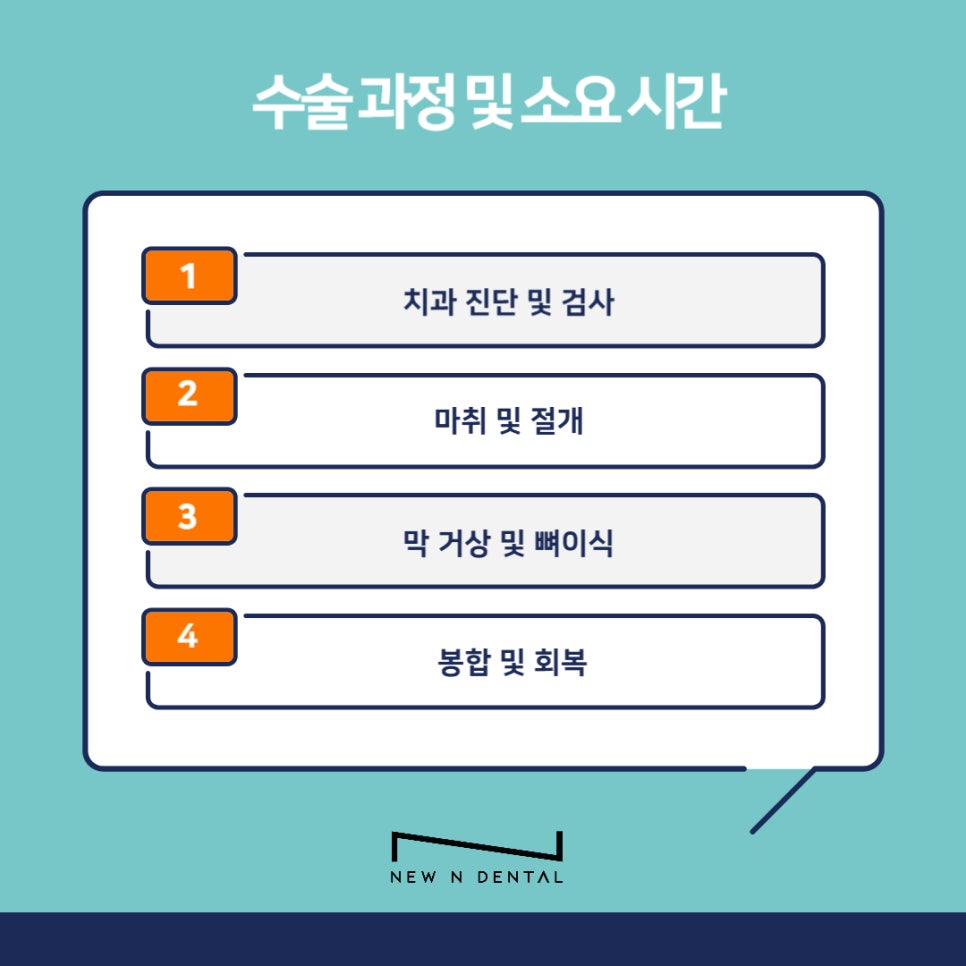
- Dental diagnosis and examination
Through X-ray or CT imaging, the position of the maxillary sinus,
bone condition, nerve distribution, and more are carefully assessed.
- Anesthesia and incision
After local anesthesia, the surgical site is incised or
a small hole is made to access the maxillary sinus membrane.
- Membrane elevation and bone grafting
After carefully lifting the maxillary sinus membrane,
artificial bone or autogenous bone is grafted into the space.
Depending on the situation, an implant can be placed at the same time,
or in some cases, the implant is placed after a recovery period following the graft.
- Suturing and recovery
The surgical site is sutured, and a recovery period follows.
The open sinus lift surgery has a longer recovery period,
while the closed sinus lift surgery is relatively shorter, though individual differences exist.
Precautions after surgery

- Be careful when blowing your nose or sneezing
Because the maxillary sinus is located near the nose,
if you blow your nose hard or sneeze forcefully right after surgery,
the grafted bone may be pressured or the wound may open.
When you feel a sneeze coming on, keep your mouth open to minimize the impact.
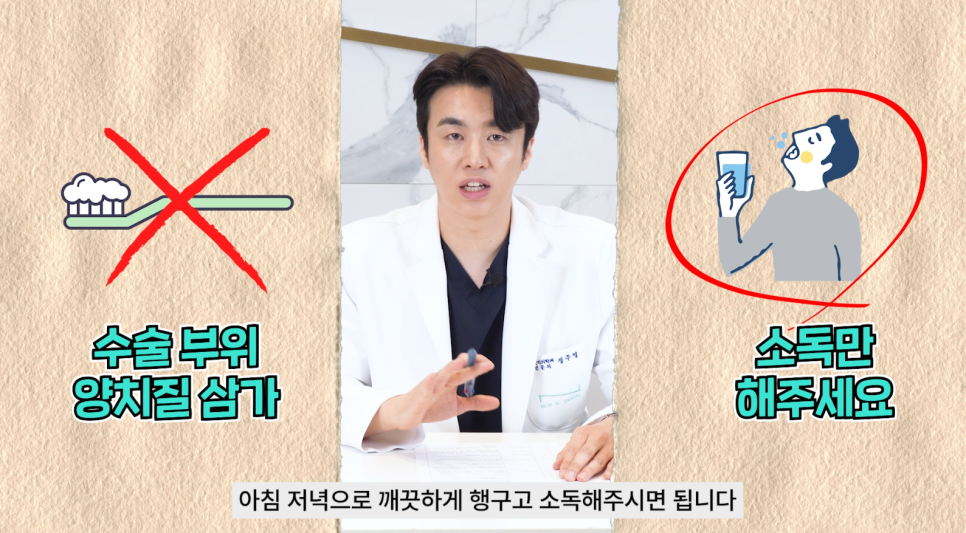
- Maintain thorough oral hygiene
To prevent infection of the surgical site, use an antibacterial mouth rinse
and brush gently with a soft toothbrush.
- No alcohol or smoking
Smoking impairs blood circulation and slows wound healing.
Alcohol can also increase the risk of inflammation,
so it is best to avoid it for two weeks after surgery.
- Take prescribed medications as instructed
Antibiotics, pain relievers, and other medications prescribed by the dental clinic must be taken exactly as directed
for the specified period to help prevent infection and relieve pain.
Sinus lift surgery can be an essential procedure
when trying to restore teeth stably.
In particular, for those who had to give up on implants
because of insufficient bone in the upper molar area,
it is an important option that can improve quality of life.
However, because it does not apply equally to every patient,
sufficient consultation with a dental specialist is necessary in advance.
It is important to determine the most suitable surgical method by considering each person’s alveolar bone condition, overall health, and lifestyle habits.
Sinus lift surgery is a key procedure that makes implant placement
possible in the upper molar area.
By lifting the maxillary sinus membrane and grafting artificial bone or autogenous bone,
it secures alveolar bone and helps the implant settle firmly.
If you follow post-surgery precautions carefully
and receive follow-up care through regular dental checkups,
you can maintain healthy and comfortable dental function.










Previous image
Next image










Previous image
Next image
#상악동거상술 #뉴엔치과 #강남역치과