
Gangnam Station Dental Clinic: Loose Permanent Teeth
Check by how to tell baby teeth from permanent teeth

When a child says, “My tooth is loose!”, many parents casually think, “It’s a tooth that will fall out soon, so it’s fine.” But that only applies to baby teeth. If the loose tooth is a permanent tooth, the story is completely different. Baby tooth looseness is a sign of natural growth, but loose permanent teeth can be a warning sign that there is a serious problem with your child’s oral health.
Today, we will explain in detail how to accurately tell whether your child’s tooth is a baby tooth or a permanent tooth, why loose permanent teeth are a dangerous sign, and what the proper response is.
How can you tell baby teeth from permanent teeth?
The first thing to check when a child’s tooth becomes loose is whether it is a baby tooth or a permanent tooth. The two differ clearly in several ways.
Distinguish by eruption timing
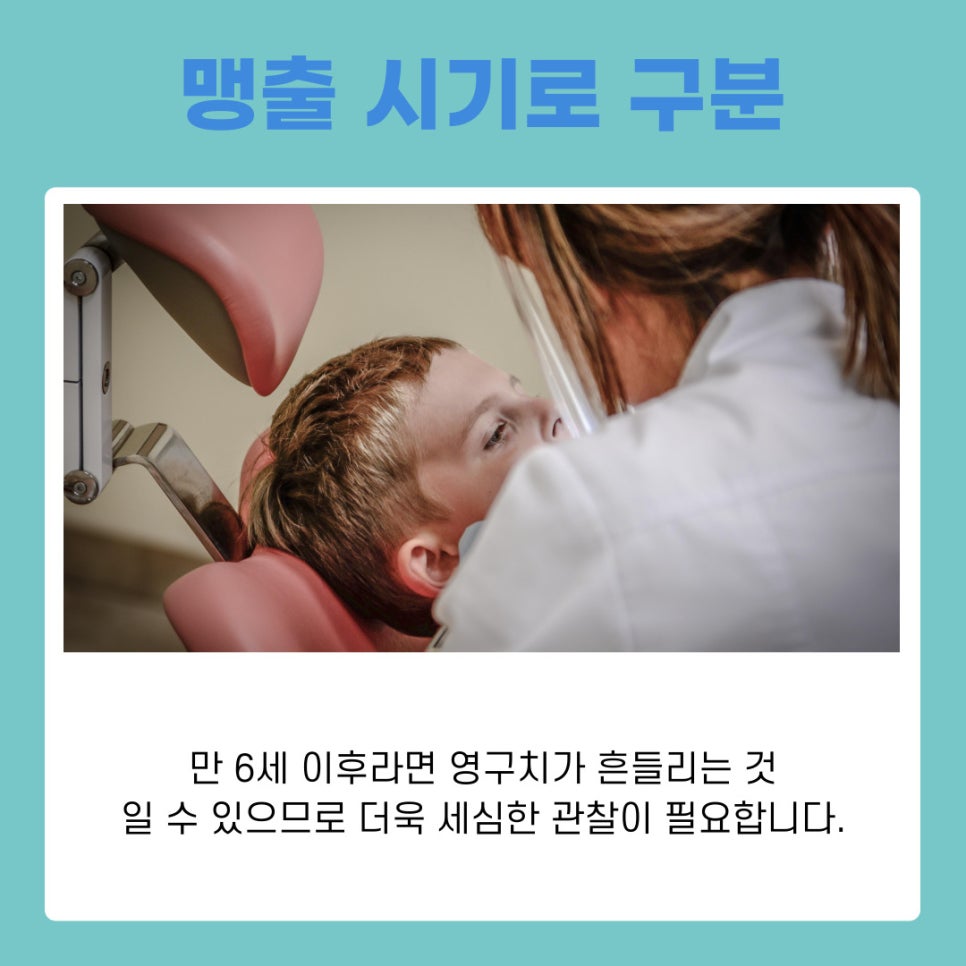
In general, baby teeth begin to erupt around 6 months of age and all erupt by around 2 to 3 years old. After that, starting around 6 to 7 years old, baby teeth begin to fall out one by one, and permanent teeth come in their place. If a child under 6 has a loose tooth, it is most likely a baby tooth. However, if the child is 6 or older, it could be a permanent tooth becoming loose, so closer observation is needed.

Distinguish by the number and location of teeth
Baby teeth usually consist of 20 teeth in total, upper and lower combined. Permanent teeth, on the other hand, number 28 in total excluding wisdom teeth, and up to 32 including wisdom teeth.
In particular, around age 6, the backmost molar may appear without any looseness. This tooth does not come in where a baby tooth has fallen out; it is the first permanent molar, which erupts newly at the very back of the baby tooth row. Because this molar is an important tooth used for life, cavity prevention care should be managed thoroughly from the time it erupts.
Distinguish by tooth color and shape
-
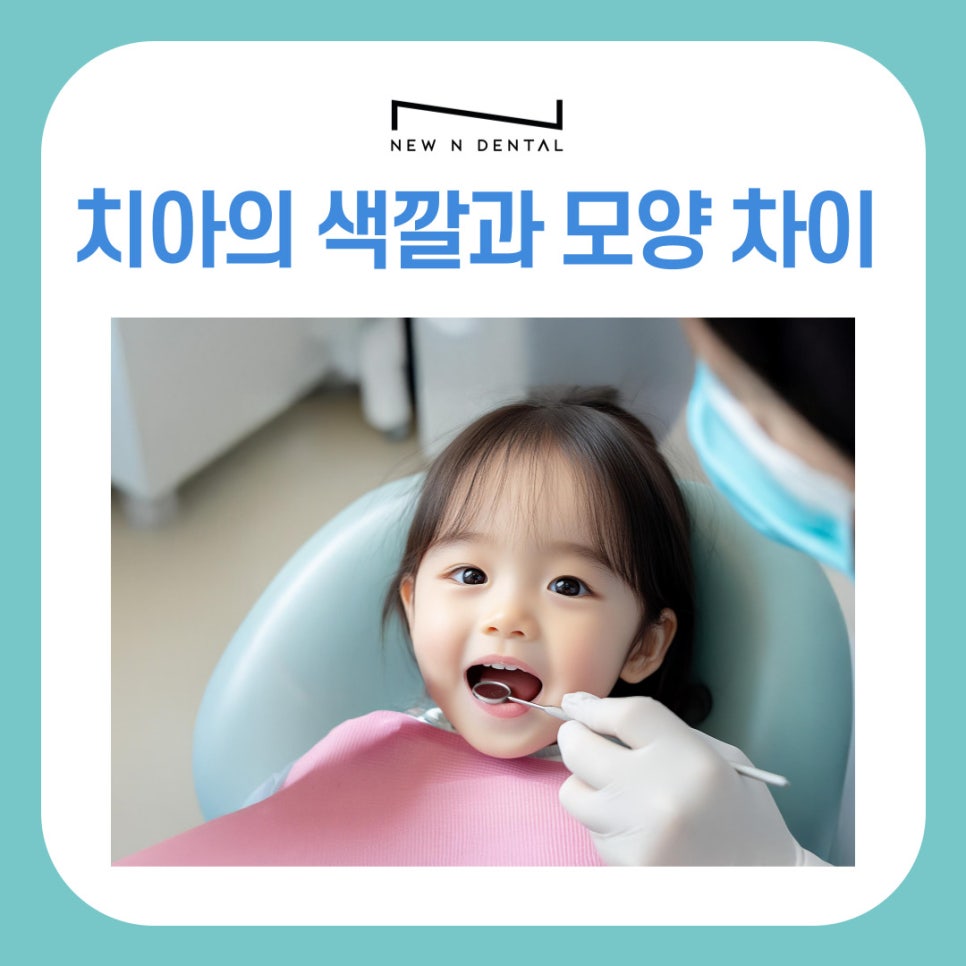
Baby teeth: As their nickname “milk teeth” suggests, baby teeth have a milky-white color, so they look much whiter and more translucent than permanent teeth. They are smaller in size, and the tooth surface tends to be round and smooth.
-
Permanent teeth: They are slightly more yellowish than baby teeth, and they look larger and more solid. The contours on the tooth surface are more distinct, and especially on front teeth, there are often serrated bumps at the tips.
In this way, baby teeth and permanent teeth can be distinguished by various criteria such as timing, location, and shape. Carefully observing your child’s teeth to identify which tooth it is is the first step.
Loose permanent teeth: Why you must never ignore them
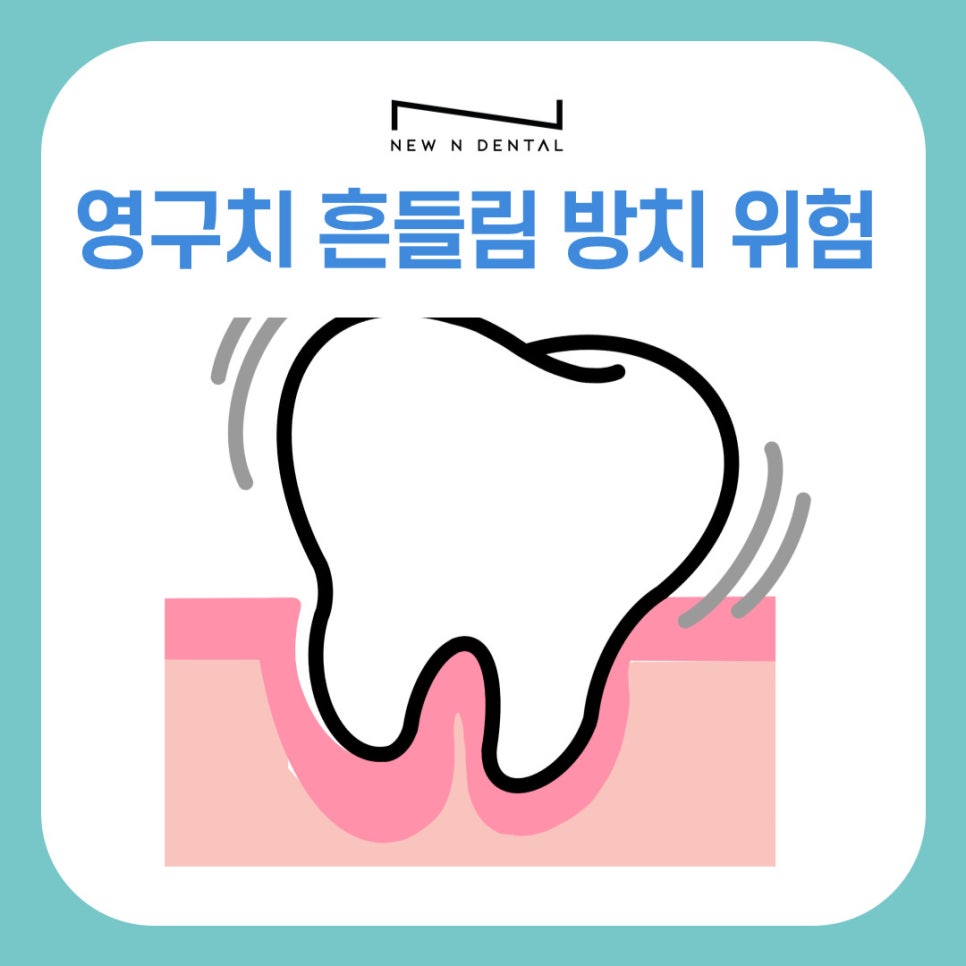
Loose permanent teeth are not a natural phenomenon, but a warning sign that there is a serious problem with the teeth and gums. If a loose permanent tooth is left untreated, it can lead to the following serious consequences.
Tooth loss: If the cause of the looseness is not resolved, the permanent tooth may eventually fall out. Once a permanent tooth is lost, it does not grow back, so functional and aesthetic problems can last a lifetime.
-
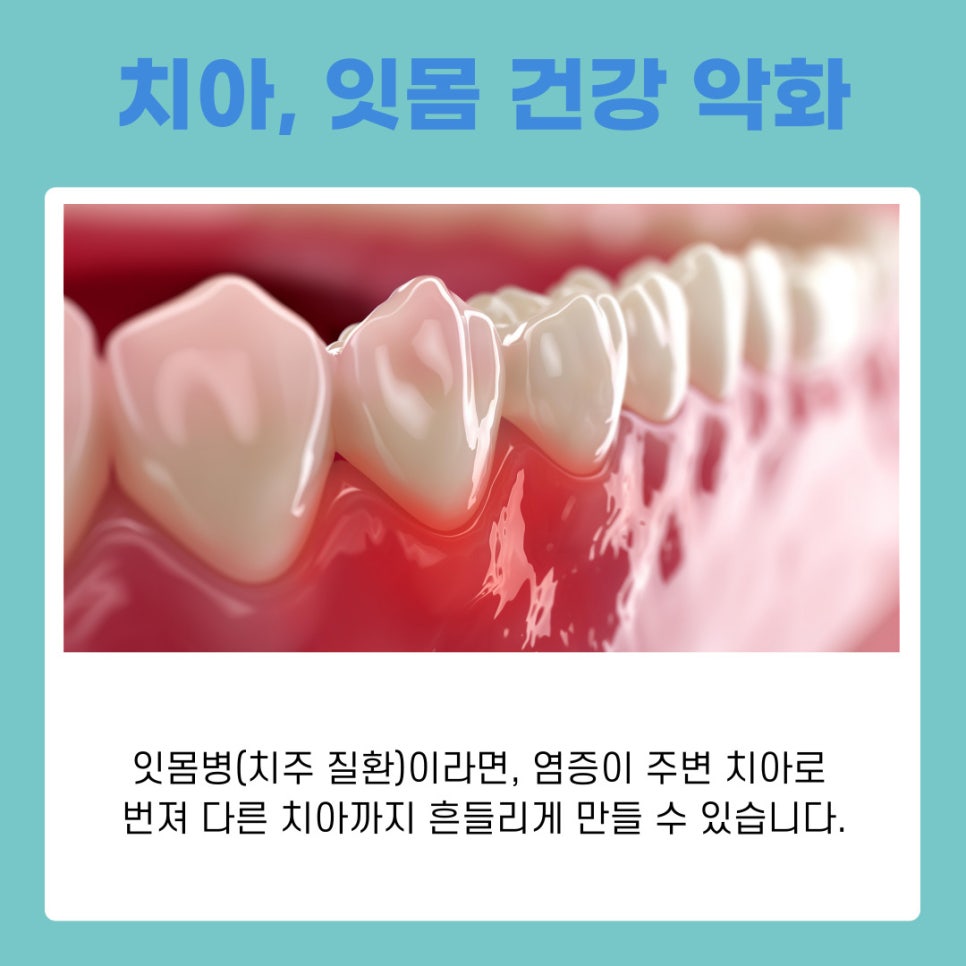
Worsening of the health of surrounding teeth and gums: If the cause of loose permanent teeth is gum disease (periodontal disease), the inflammation can spread to surrounding teeth and cause other teeth to become loose as well.
-
Malocclusion: If you develop the habit of chewing around the loose tooth, an imbalance can occur across the entire dental arch, which may worsen malocclusion.
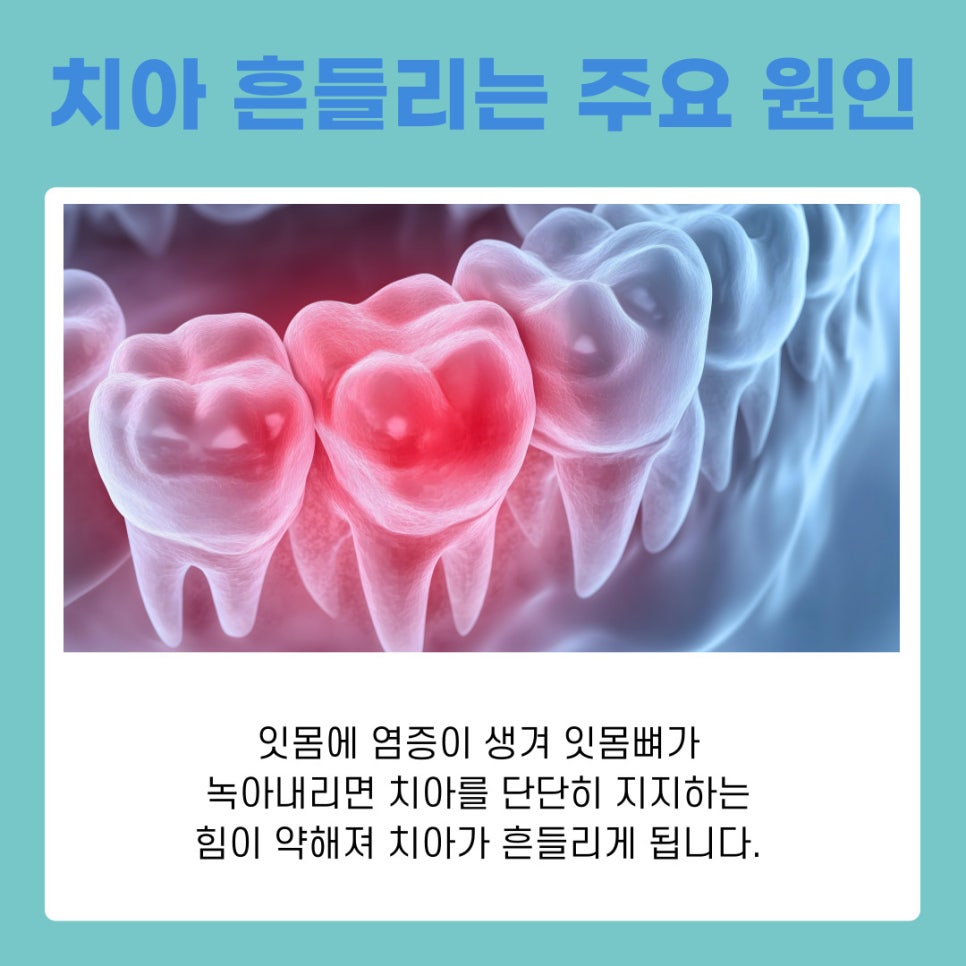
Main causes of loose permanent teeth
-
Trauma (external impact): If a tooth root or the surrounding gum tissue is damaged by an external impact such as a child falling or colliding with something, a permanent tooth may become loose. This is one of the common causes in growing children.
-
Periodontal disease (gum disease): When inflammation develops in the gums and the jawbone supporting them is lost, the force that holds the tooth firmly in place weakens and the tooth becomes loose. Gum disease is not a condition that occurs only in adults. It can also occur in children and teenagers due to poor brushing habits or systemic diseases such as diabetes.
-
Malocclusion: If there is a malocclusion in which excessive chewing force is placed on a specific tooth, continuous pressure can strain that tooth and the surrounding gums, leading to looseness.
-
Problems inside the tooth: Inflammation at the tip of the tooth root, or in rare cases an internal problem such as a tooth tumor, may also be the cause.
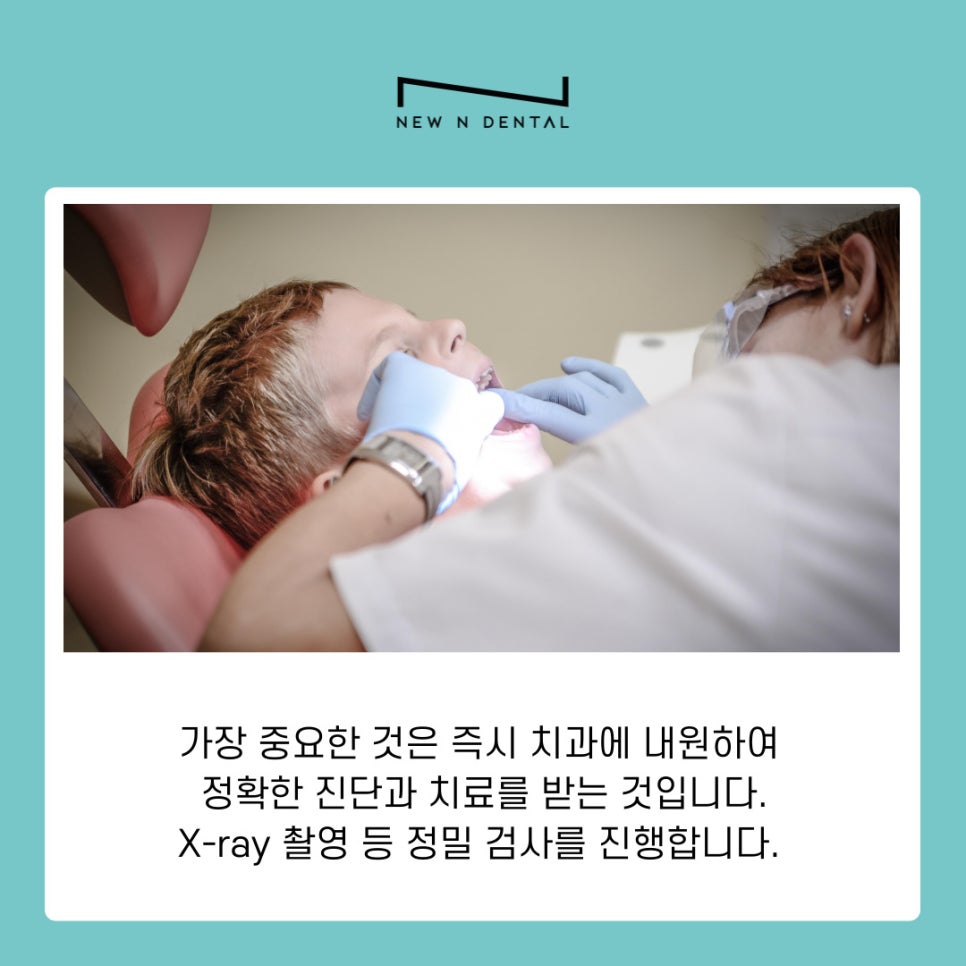
Loose permanent teeth: What is the proper response?
If you notice a permanent tooth becoming loose, you should never try to wiggle it or pull it out yourself. Incorrect stimulation can cause even greater damage to the tooth and surrounding tissues. The most important thing is to visit a dental clinic immediately and receive an accurate diagnosis and treatment. At the dental clinic, detailed tests such as X-rays are performed to identify the cause of the looseness.
Discard the mistaken idea that a loose tooth is a tooth that will soon fall out, and through how to tell baby teeth from permanent teeth,
it is important to accurately understand your child’s tooth condition. Tooth looseness is
not just a part of growth, but is highly likely to be a warning sign of a dental disease,
so it should never be taken lightly.
A precious permanent tooth is a lifelong treasure for your child. Only early diagnosis and proper treatment are
the most reliable way to protect that precious tooth.










Previous image
Next image
#LoosePermanentTeeth #BabyTeethVsPermanentTeeth #GangnamStationDentalClinic