This post was written directly by Gangnam Newen Dental Clinic and
provides medical information through hospital and clinic blog content that may be helpful to a broad range of patients,
in strict compliance with
「Article 56 of the Medical Service Act and regulations related to medical advertising review」.
The Meaning of Fluoride Toothpaste and Ways to Prevent Cavities,
Explained by a Gangnam Station Dentist
| Summary |
|---|
| 1. Fluoride toothpaste is a quasi-drug formulated with a standardized concentration of fluoride, a chemical element, to prevent dental caries (cavities). |
| 2. It is important to choose an appropriate fluoride concentration according to age and oral condition, from infants and young children through adulthood. |
| 3. To obtain the intended benefits, it is recommended to develop the habit of brushing with an appropriate amount of toothpaste applied to the toothbrush, without wetting it with water. |
| 4. After brushing, rinse thoroughly with water so that the toothpaste ingredients do not irritate the oral mucosa, and undergo regular dental checkups as well. |

Hello,
This is Newen Dental Clinic.
To define the meaning of fluoride toothpaste, it refers to toothpaste manufactured by blending fluoride compounds, a chemical element, at a specific concentration for the purpose of inhibiting and preventing the development of dental caries (cavities).
When applied to the oral cavity in an appropriate amount, it combines with the mineral structure that forms the outer surface of the teeth and helps increase the teeth’s physical and chemical resistance.




Previous image
Next image
In other words, it can be understood not simply as a cleanser that removes contaminants and food debris from the tooth surface, but as a preparation with a medical purpose that strengthens the teeth’s natural defenses and proactively prevents disease.
Fluoride That Helps Prevent Cavities

Fluoride reconstructs the structure of the enamel to make it stronger. Tooth enamel is originally composed of a crystalline structure called hydroxyapatite.
This structure has the weakness of being vulnerable to acids. When fluoride is supplied in the oral cavity, it combines with this crystalline structure and transforms it into a new, more stable structure called fluorapatite.
Because fluorapatite has a much lower critical pH for dissolving in acid than the original structure, it acts as a strong protective barrier that helps prevent the teeth from easily eroding even when the oral cavity temporarily becomes acidic.
Choosing the Right Fluoride Concentration and Recommended Amount by Age

In the past, fluoride-free or low-fluoride toothpaste was sometimes recommended because infants and young children might swallow toothpaste. However, recent global dental guidelines generally recommend using regular fluoride toothpaste containing at least 1,000 ppm of fluoride to prevent cavities from infancy, beginning when the primary teeth erupt.
However, during the period when children cannot spit out toothpaste on their own, the amount of toothpaste must be strictly limited to prevent systemic side effects that may result from swallowing excessive amounts of the rinsing fluid.
From birth until under 3 years of age, children should brush using only about a rice-grain-sized amount of toothpaste, applied very thinly to the bristles. Children from age 3 to under 6 generally have the ability to spit out toothpaste foam on their own, so it is considered safe to increase the amount to approximately the size of a pea.
Proper Brushing Habits and Precautions

If the toothbrush or toothpaste comes into contact with water, excessive foam may form from the beginning of brushing, which can shorten the cleaning time. Above all, the fluoride in the toothpaste may become excessively diluted by the water, reducing the opportunity for it to settle on the tooth surface.
Brushing dry, without moisture, allows the active ingredients in the toothpaste to combine with saliva and remain around the teeth for a longer period in a highly viscous state, enabling the enamel-strengthening mechanism to work smoothly.
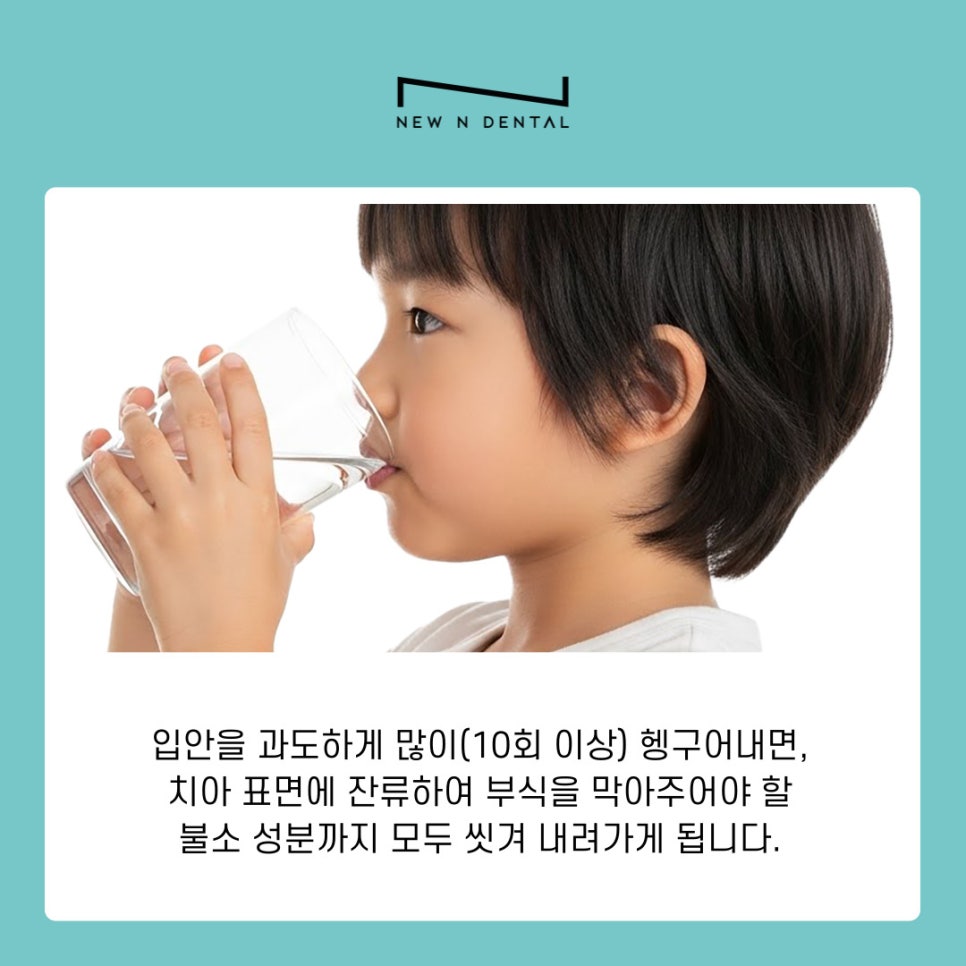
Care is also needed regarding how many times you rinse your mouth after brushing. If you rinse excessively—more than 10 times—to remove cleansing ingredients such as surfactants, even the fluoride that should remain on the tooth surface to help prevent erosion may be completely washed away.
Therefore, from a medical perspective, it is effective for inhibiting cavities to spit out the toothpaste foam thoroughly and then rinse lightly approximately 3 to 5 times with clean water, allowing a small amount of fluoride to remain in the mouth.
However, surfactants remaining in the oral cavity may have adverse effects, such as drying the mucous membranes or causing bad breath. Depending on individual sensitivity, it is important to adjust this practice through consultation with your attending dentist.
Combining This with Regular Dental Checkups
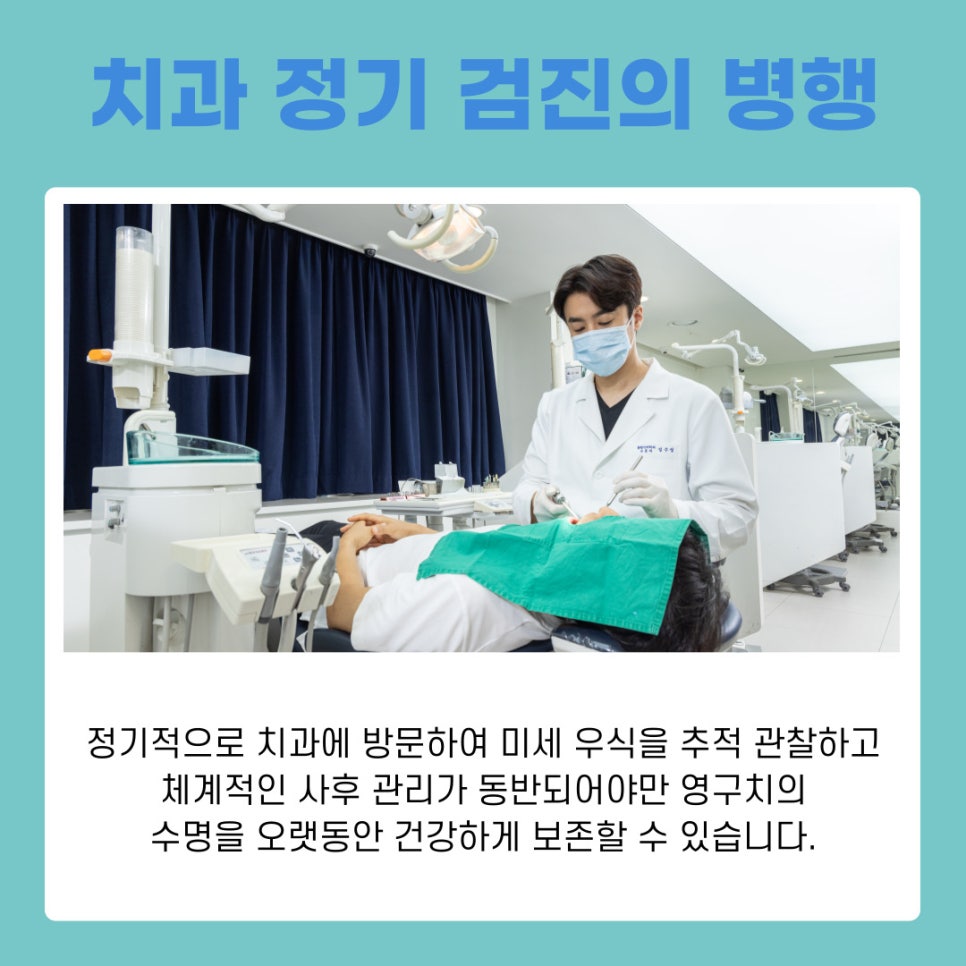
Fluoride toothpaste is a powerful preventive tool for protecting oral health, but it is not a cure-all that can fill advanced cavities in which the organic structure has already completely broken down and a hole has formed.
For caries that have progressed beyond the initial stage, you must visit a dental medical institution to have the infected area physically removed and receive resin or prosthetic treatment.
Only through systematic follow-up care—including regular dental visits, monitoring microscopic caries with an intraoral camera and X-rays, and, when necessary, combining this with professional high-concentration fluoride application—can the lifespan of permanent teeth be preserved in good health for a long time.
Q. Can using fluoride toothpaste also help relieve tooth sensitivity?
A. Yes, it can help to some extent. The main reason teeth become sensitive is that the enamel on the outer surface becomes thinner due to conditions such as cervical abrasion, exposing the dentin and microscopic tubules inside the teeth (dentinal tubules) to the outside and stimulating the nerves.
Fluoride promotes mineral bonding on the dentin surface and can close the openings of microscopic tubules, helping block the pathways through which external stimuli are transmitted to the nerves.
However, when tooth sensitivity is severe, using toothpaste specially formulated with dedicated desensitizing ingredients such as potassium nitrate or tricalcium phosphate in addition to fluoride may be expected to provide faster improvement from a medical perspective.