The combination of KHADAS Mind2 and Mind Graphics is a unique ecosystem that differs from a typical mini PC. At the core of this system is the concept of a “modular workstation.” By connecting it to the recently released KHADAS Mind xPlay via Mind Link, it can be used in a form similar to a laptop or Surface Laptop.
I have put together a summary of how to connect and use Mind2, Graphics, and xPlay.
Simple spec introduction - Mind2, Graphics, xPlay
- KHADAS Mind2 (main unit)
Mind2 is more than a simple performance upgrade; it is a portable workstation that maximizes portability and expandability.
-
Performance: Equipped with an Intel Core Ultra (Meteor Lake) processor, it offers a significant improvement in AI computing and integrated graphics performance compared to the previous generation.
-
Mind Link: This is a proprietary interface on the bottom of the main unit. It supports ultra-fast PCIe 5.0-based data transfer and physically connects to dedicated accessories without cables.
-
Built-in battery (Standby Mode): A small battery inside the main unit can keep standby mode running for up to 5 hours even when power is unplugged. A major advantage is that you can use it in the office, unplug it, and move it to a conference room without interrupting your workflow.
- Mind Graphics (external graphics docking station)
This is a dedicated eGPU dock that completes the potential of Mind2.
-
Powerful GPU: It includes an NVIDIA GeForce RTX 4060 Ti desktop version. For high-load tasks such as video editing, 3D rendering, and demanding games, it brings Mind2 up to desktop-class performance.
-
Mind Link connection: Unlike conventional eGPUs that use Thunderbolt and therefore suffered bandwidth loss, Mind Link provides direct bandwidth at the PCIe 4.0 x8/x4 level, minimizing performance degradation.
-
Expansion ports: More than just a graphics card, it also functions as a hub. It additionally provides USB ports, an SD card slot, LAN ports, and more, serving as the main station on your desk.
According to the Rickett's line, the ideal side profile contour is defined as the upper lip being positioned about 4 mm inward and the lower lip about 2 mm inward. However, in the case of East Asians, the mouth tends to protrude slightly, so I do not think a side profile where the lips touch the Rickett's line looks unnatural.
That said, if the mouth is protruded too much or the chin is set far back, the side profile of the face can look awkward and may create a somewhat sullen impression.
Looking more specifically at the shape of the chin bone,
- Mind xPlay
1). Main features and specifications
Mind xPlay is a 13-inch portable display system that physically connects to the main unit through the Mind Link interface.
-
High-resolution display: With a 13-inch 2.8K (2880x1920) resolution and a 3:2 aspect ratio, it shows more information when working with documents or browsing the web. (500 nits brightness, 100% sRGB support)
-
Built-in battery (reverse power supply): It includes a 4150mAh (approximately 48Wh) battery, allowing it to supply power to the Mind main unit even without being plugged in, making it usable while on the move. (Continuous use of over 3 hours possible)
-
One-Click Relay: The moment you attach the Mind2 main unit to the xPlay, the screen you were working on switches instantly to the xPlay, providing a seamless workflow.
-
Enhanced multimedia: It is equipped with a 2MP front camera, dual microphones, and stereo speakers, making it optimized for video conferencing and watching videos.
2). Modular design and expandability
-
Dedicated keyboard: When you attach the dedicated magnetic detachable keyboard, it provides the same user experience as a standard 2-in-1 laptop.
-
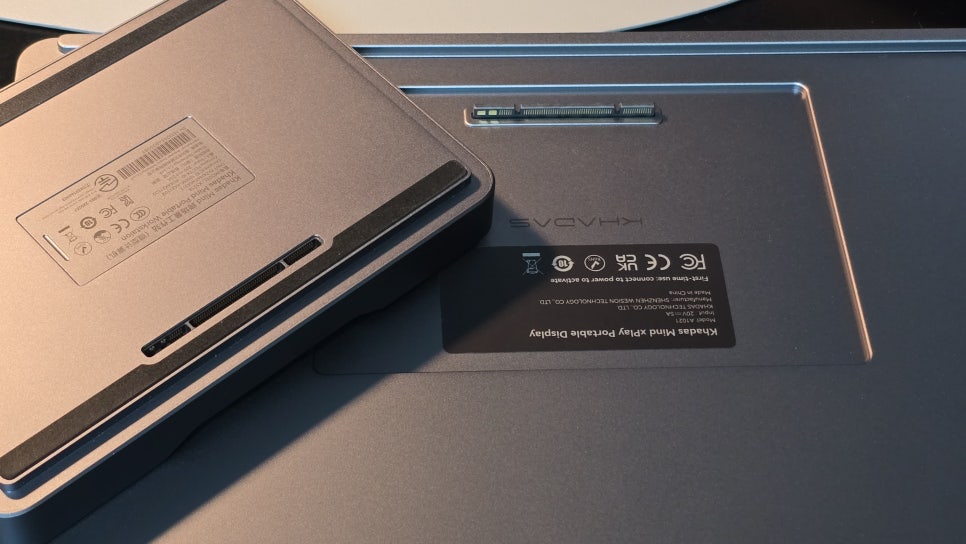
Mind Link connection: It magnetically secures the Mind2 to the back of the main unit and transfers data at PCIe-level speeds without cable connection.
-
Versatility: In addition to Mind Link, it also supports standard USB-C input, so it can be used as an external monitor for a regular laptop or smartphone.
[Notes]
-
No touchscreen support: This model focuses on high resolution and color accuracy, so unfortunately it does not include touch functionality. You need to use a mouse or the keyboard touchpad as the primary input device.
-
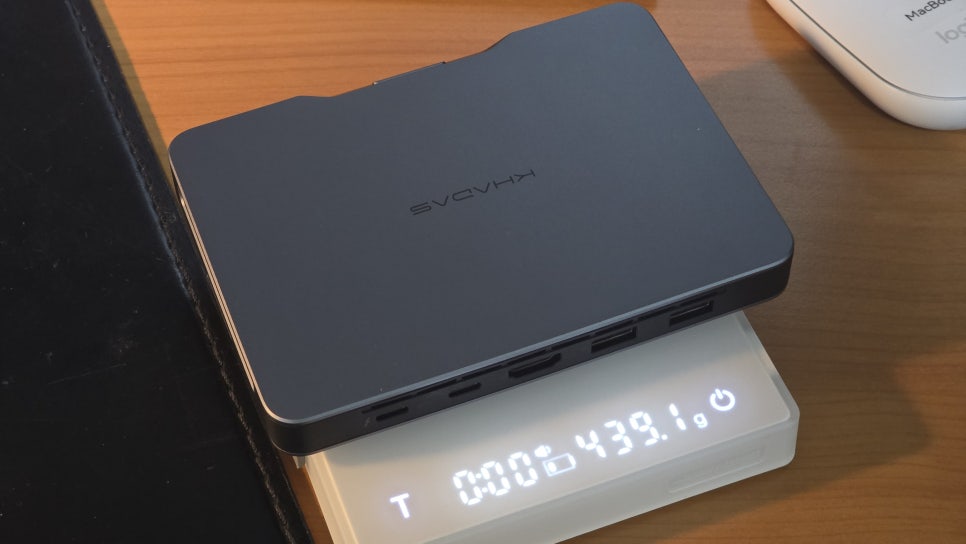
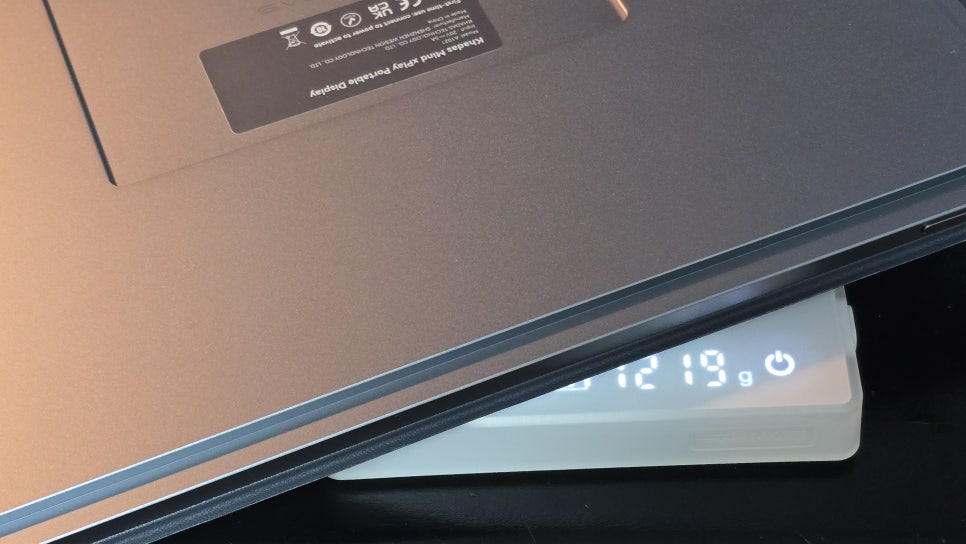
Weight: The combined weight of the main unit (about 435 g), xPlay (about 820 g), and the keyboard is around 1.5 to 1.6 kg, which is heavier than a typical lightweight laptop.
Mind xPlay unboxing
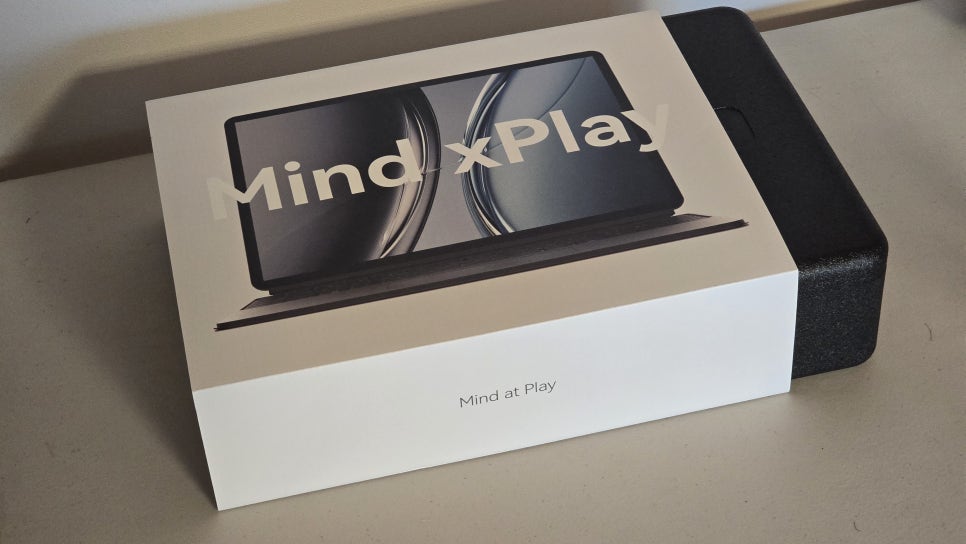
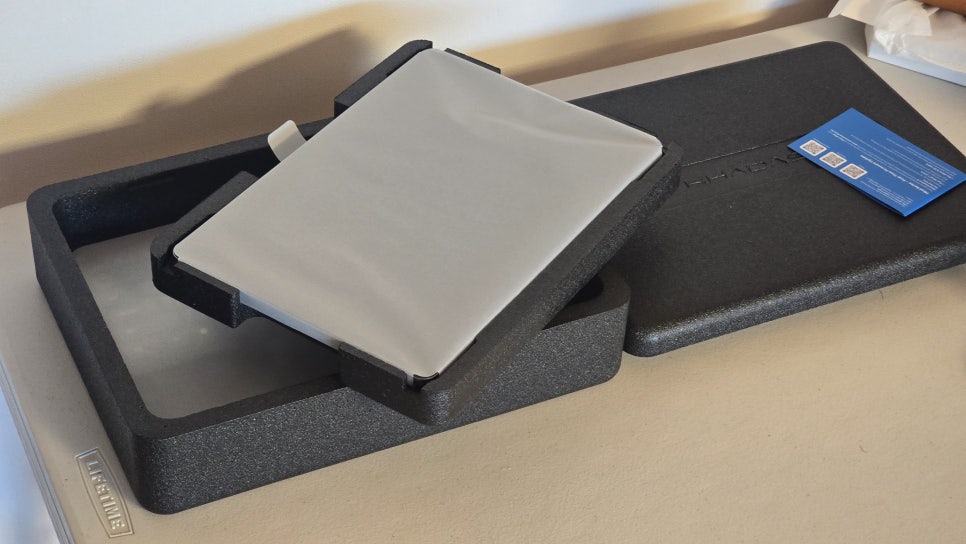
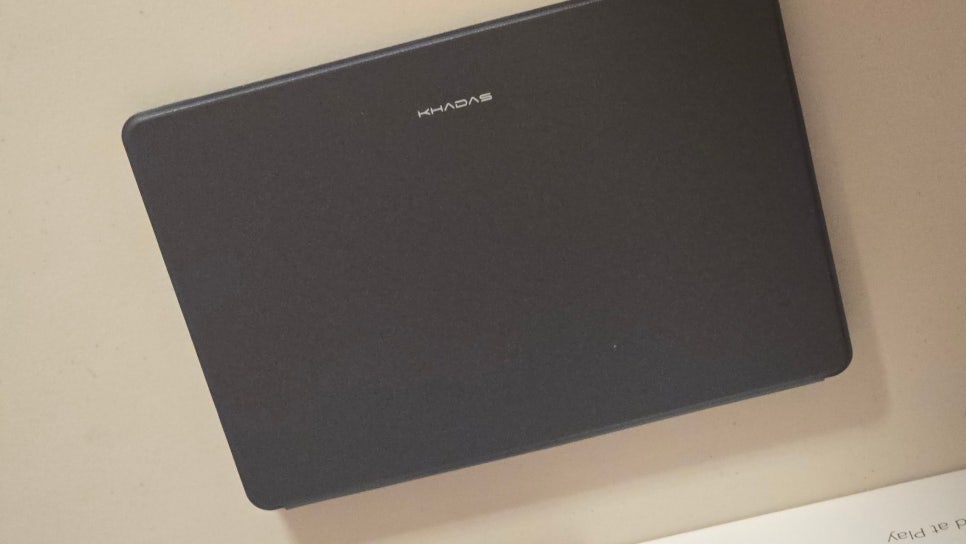
When you open the product packaging box, the xPlay display is stored on the top, and the keyboard is in the lower compartment.
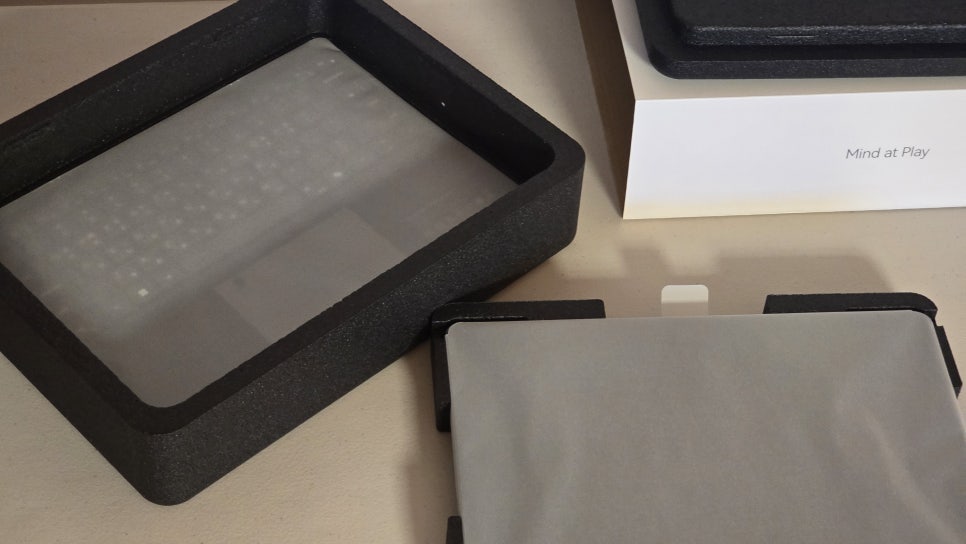
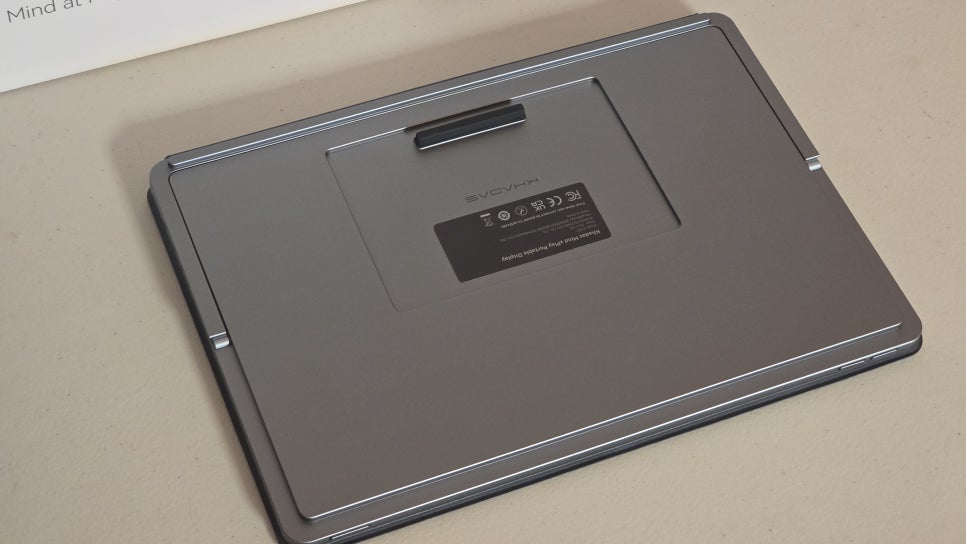
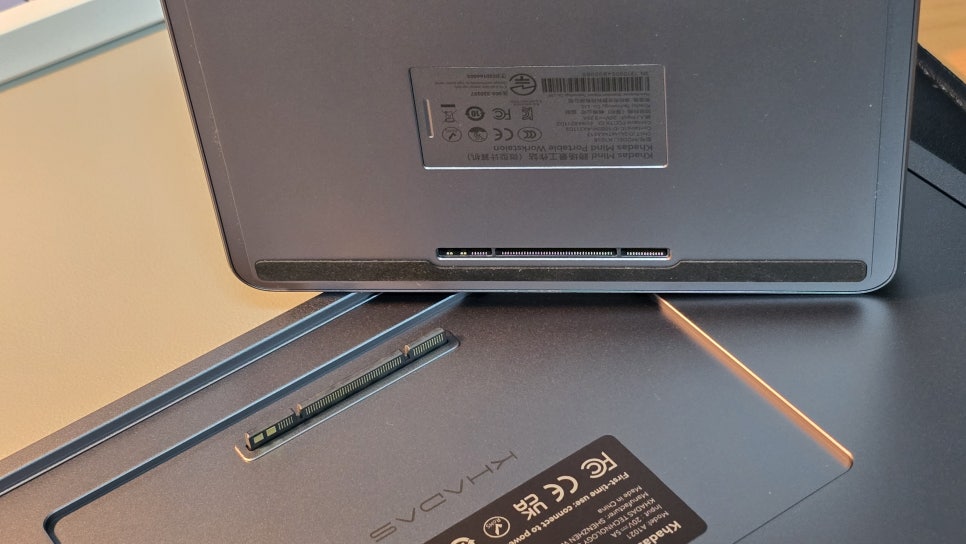
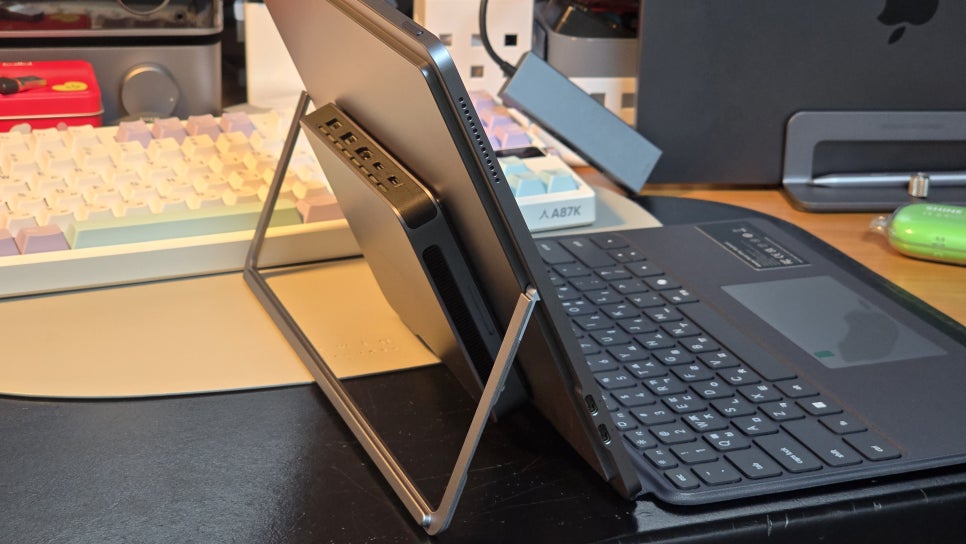
Mind2, Graphics, Mind xPlay connectivity compatibility and usage
"When Mind Graphics and Mind2 are connected via Mind Link, the USB Type-C port on the front of Mind Graphics becomes inactive."
Therefore, it seems that connection and expansion are only possible with the following combinations.
-
When Mind2 and Graphics are connected via Mind Link: USB Type-C on the rear of the Mind2 main unit - USB Type-C on the left side of xPlay: OK
-
When Mind2 and xPlay are connected via Mind Link: USB Type-C on the rear of the Mind2 main unit - USB Type-C on the front of Graphics: OK
In the case above,
If Mind2 and xPlay are connected via Mind Link and you want to primarily use the eGPU performance of Graphics, you need to set the display connected to Graphics as the main display in the Windows display settings.
I have put together a summary of how to connect and use Mind2, Graphics, and xPlay.