1. Factors That Determine Facial Width
When the face is viewed from the front, the widest part is the lateral cheekbone area.
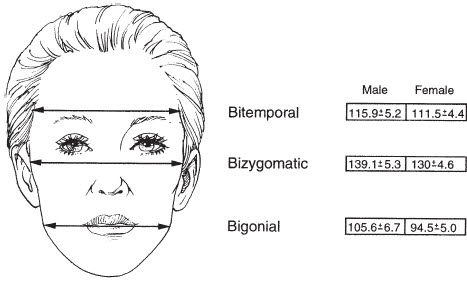
Starting from the most prominent point of the lateral cheekbone, the width is determined to some extent above by the temple area and below by the angular area of the lower jaw.
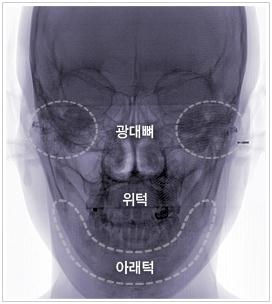
Therefore, in most cases, facial width is largely determined by the posterior part of the lateral cheekbone, where the most prominent area of the lateral cheekbone becomes the highest pole of the tent (Bizygomatic Distance), and is additionally determined by the temple (Bitemporal Distance), which is a somewhat lower pole, and the angle of the lower jaw (Bigonial Distance).
2. Surgery to Reduce Facial Width – Lateral Cheekbone Reduction
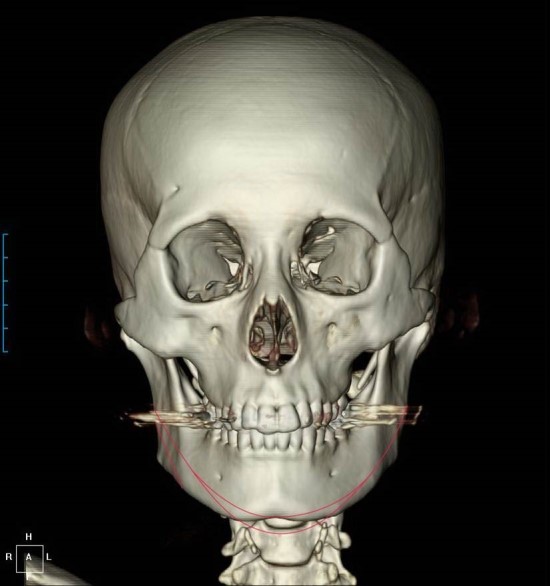
To reduce the width of the face, the most important thing is to effectively and precisely bring in the posterior part of the protruding lateral cheekbone first.
After cheekbone reduction surgery, if care is not taken, the face may become even more flat, or the front may look flat while the back appears wider, because the lateral cheekbone has not been properly addressed.
I refer to this case as a pyramid-shaped deformity, and I have presented it several times at plastic surgery academic conferences.
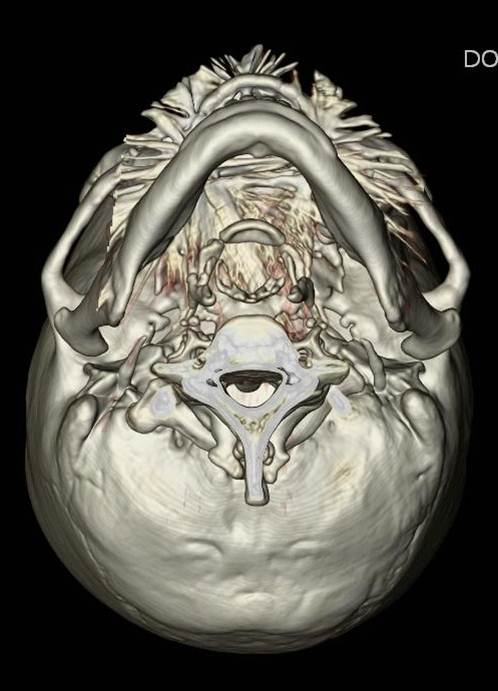
Figure – Pyramid-shaped deformity
Some volume in the front cheekbone should be maintained in order to preserve a youthful, lively, and three-dimensional appearance.
However, even though cheekbone reduction surgery was performed with great effort to correct a broad face, if only the front cheekbone that should have retained volume becomes flat while the wide lateral cheekbone area appears even wider toward the back, not only will satisfaction with the surgery decrease, but it may also lead to a more unfortunate result.
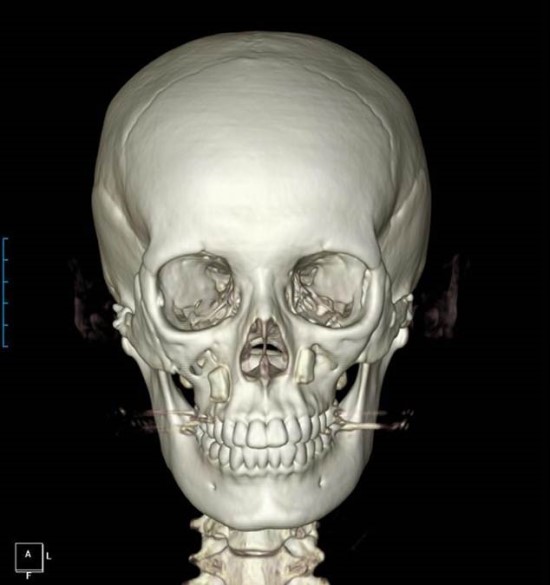
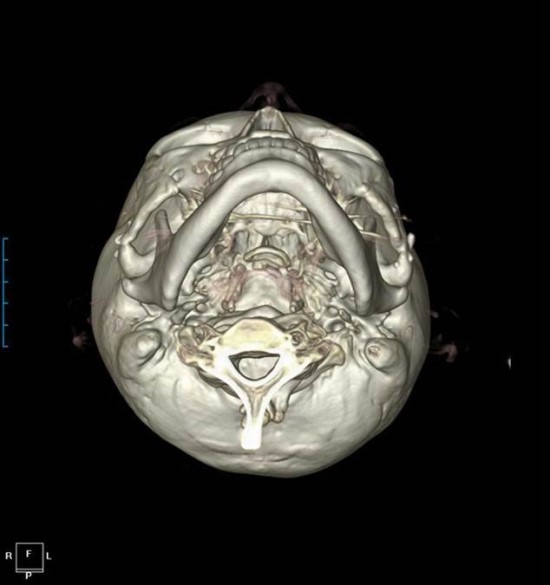
Figure – 3D CT of a case in which pyramid-shaped deformity occurred after cheekbone surgery
If the lateral cheekbone is reduced while properly preserving the volume of the front cheekbone, a change from a broad face to a youthful, three-dimensional face can be expected.
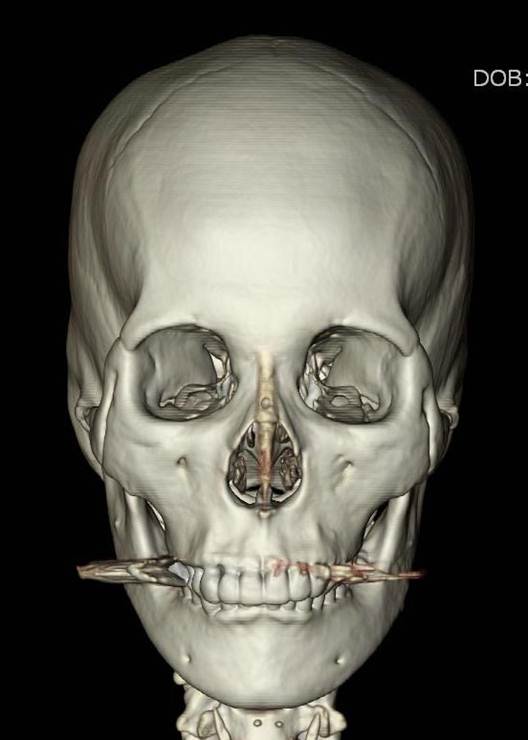
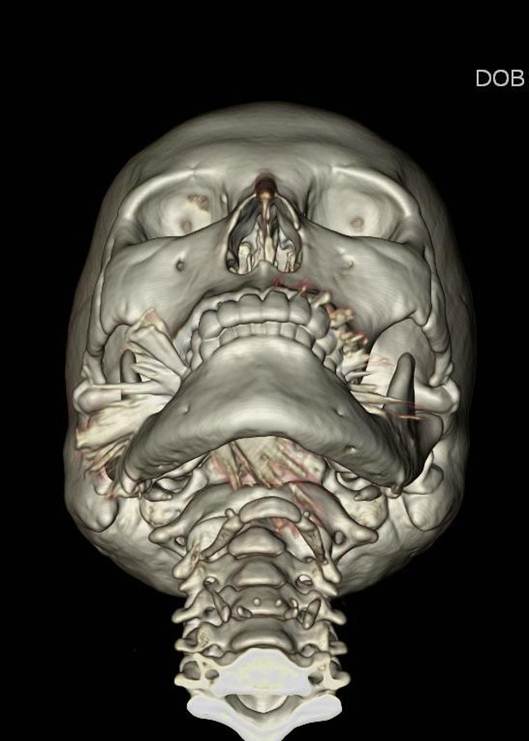
Figure – Postoperative 3D CT in a case where the lateral cheekbone was reduced while preserving the volume of the front cheekbone
3. Surgical Method
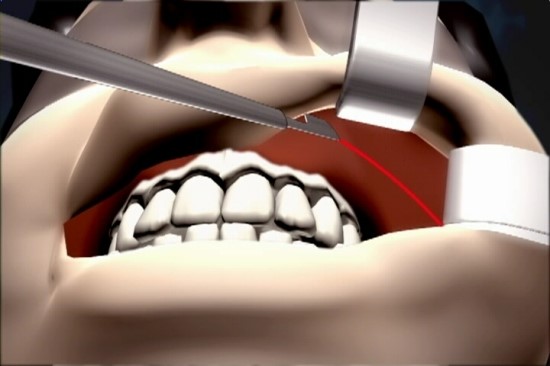
- Intraoral incision
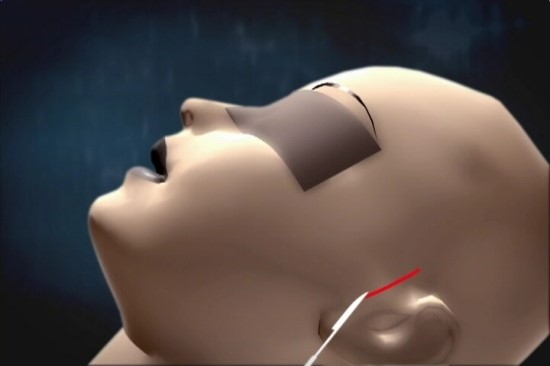
- Sideburn incision
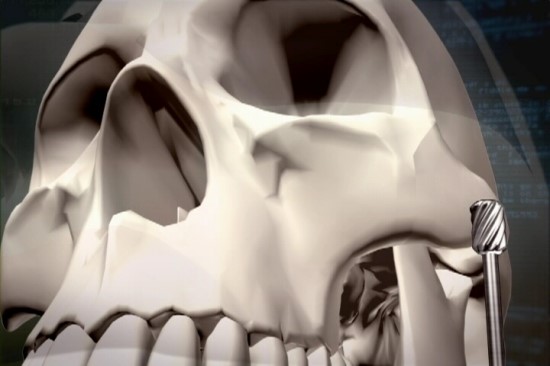 3. Front cheekbone reduction
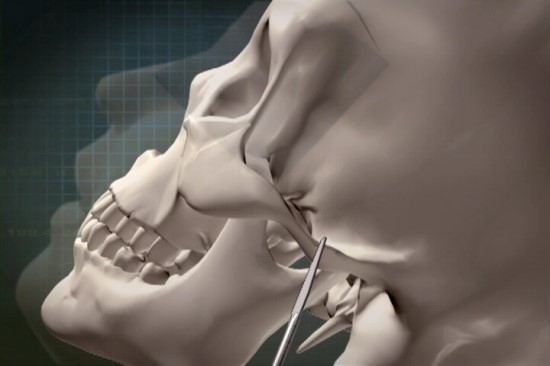 4. Posterior osteotomy of the lateral cheekbone
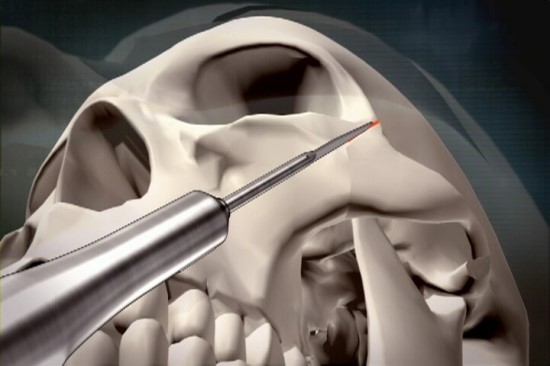 5. Front cheekbone osteotomy - 1
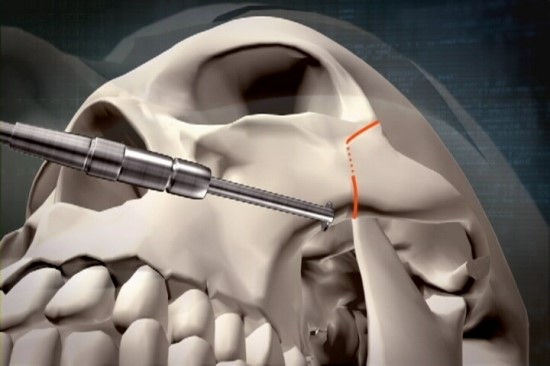 6. Front cheekbone osteotomy - 2
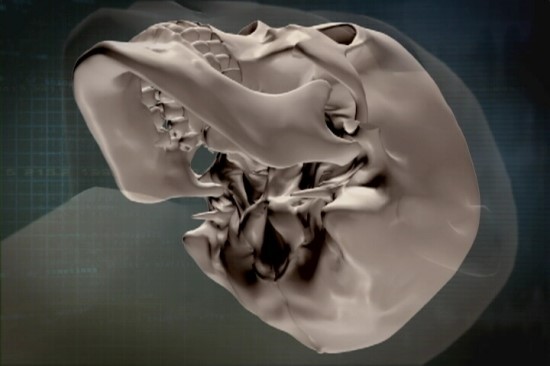
- Internal fracture
 8. Fixation of the lateral cheekbone
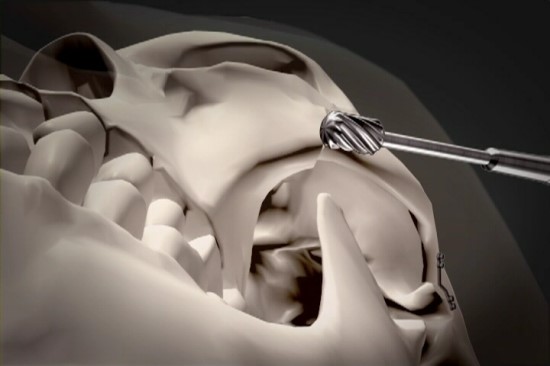 9. Finishing
4. Postoperative Course
About two weeks after surgery, you can feel that the outline of the protruding lateral cheekbone has been reduced, and because postoperative swelling moves downward due to gravity, swelling may collect in front around the nasolabial fold area and in back around the posterior square jaw area.
About one week after surgery, daily life is not significantly affected, and because the lateral cheekbone is fixed precisely, there is no need to worry at all about minor impacts or pressure.
These postoperative swelling changes in the front and back will slowly subside over 3 to 6 months.