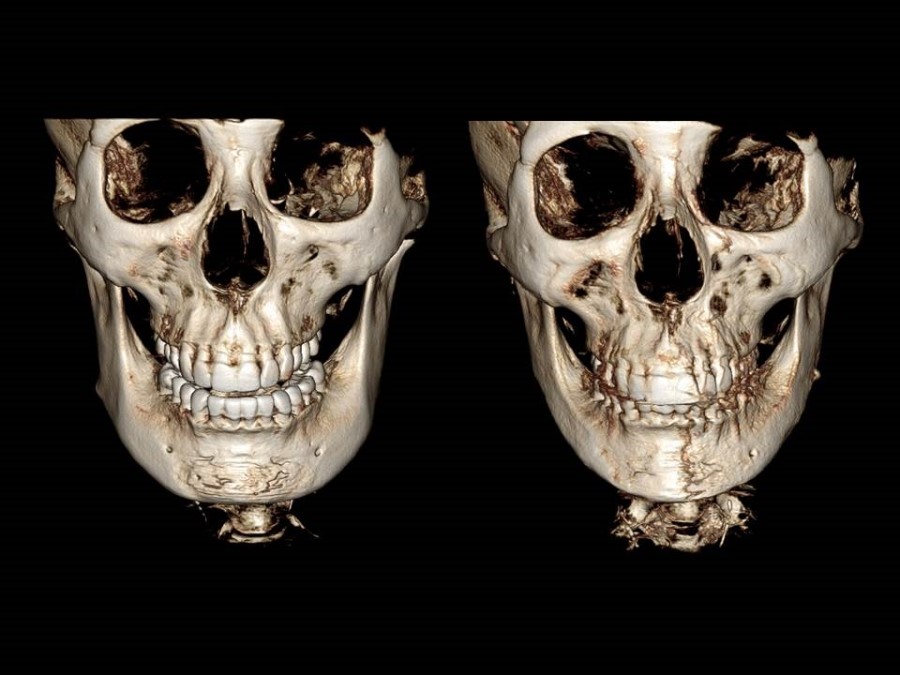
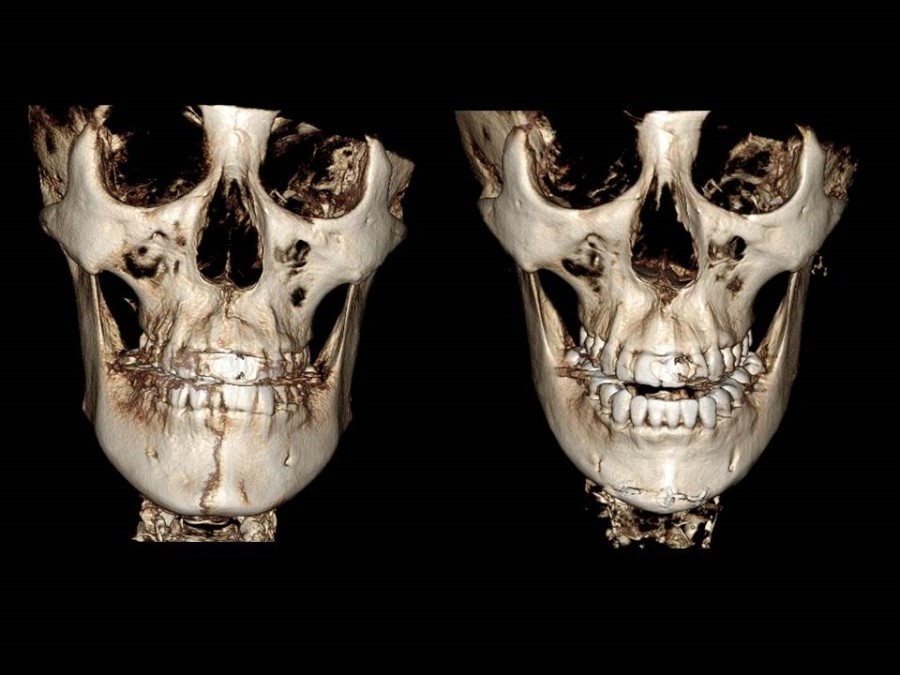
When the outline of the lower face is angular and broad, surgery that gently refines the shape of the lower jaw is commonly referred to as square jaw surgery.
If the chin is of a reasonably modest size, a standard square jaw surgery (long curved square jaw surgery) alone can often produce good results.
However, if the front chin appears wide, long, or somewhat set back, it is better to consider surgery that also refines the contour of the chin bone.
In general, when the chin contour is broad, methods such as T-osteotomy or contour reduction can be considered to reduce the width.
However, there have recently been many unsatisfactory results from indiscriminate T-osteotomy surgery, so I would like to take a closer look at this issue.
I also, about 4 to 5 years ago, performed T-osteotomy quite often as a way to narrow the contour of the chin.
But I came to the conclusion that while T-osteotomy is a convenient method when applied to limited cases, the overall quality of the surgery is greatly reduced.
If you look at the appearance of the front chin bones operated on in several places below, I think it will help make it easier to understand the changes in the chin bone after T-osteotomy.
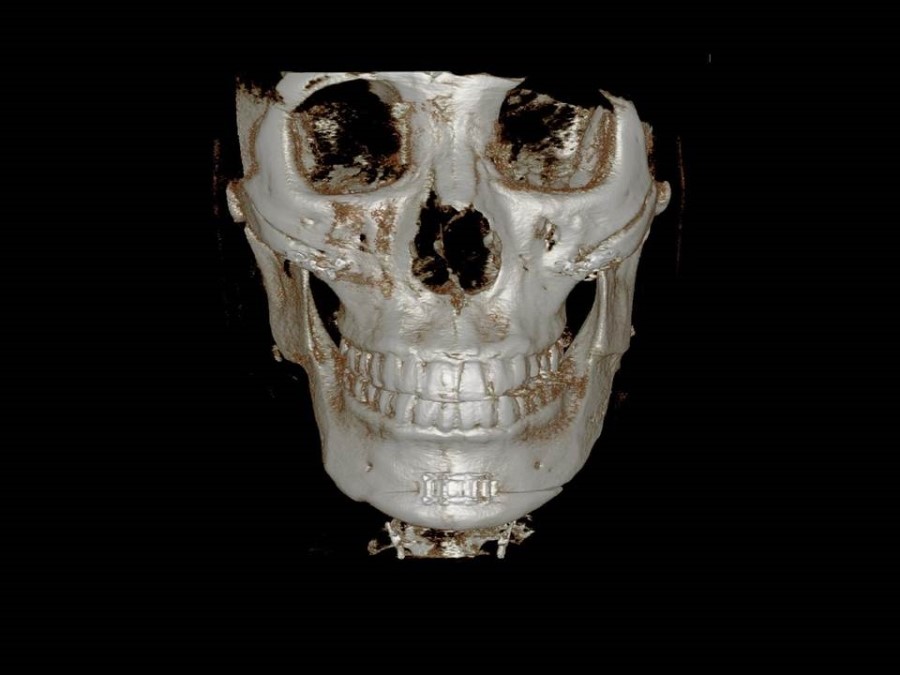
During square jaw surgery, the right cortical bone resection was excessive, leaving part of it appearing sunken, and the T-osteotomy area of the chin is asymmetrical, with a secondary angle formed on the right side.
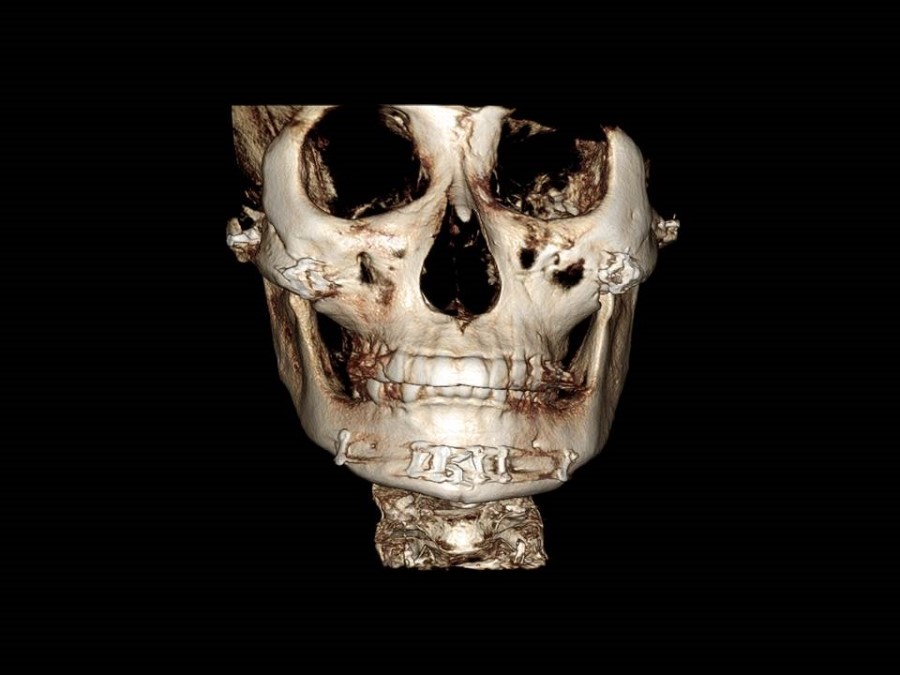
This is often referred to as having undergone the so-called three-part contouring procedure, but the lengths on both sides of the T-osteotomy area of the chin are different, and the chin contour is not sharp.
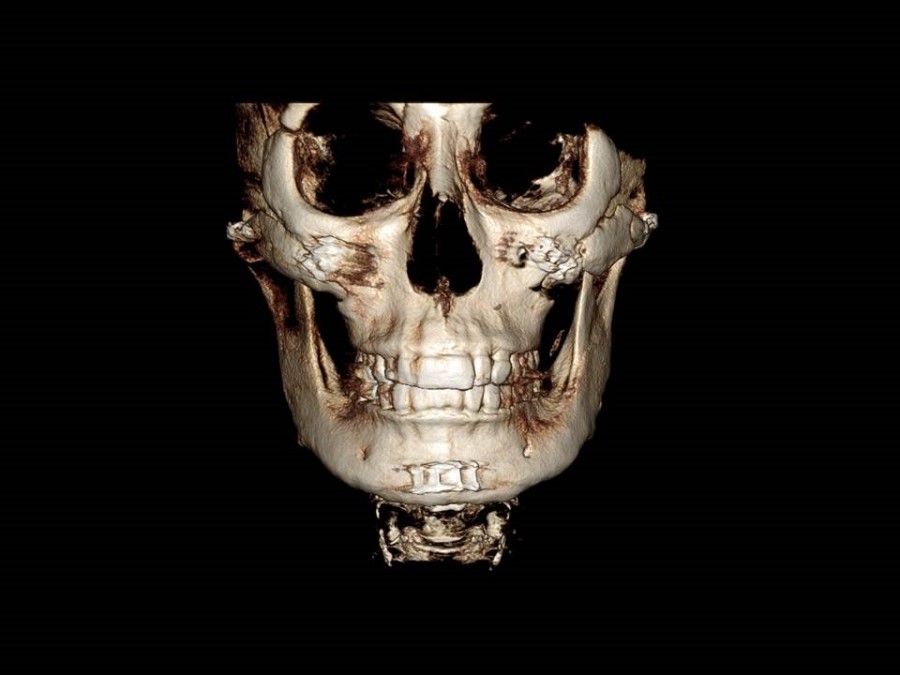
Because of the metal fixation device in the T-osteotomy area of the chin, it can instead appear blunt and protruding forward.

Not only is the contour of the chin not sharp, but a secondary angle is also formed in the area connecting to the surrounding region.
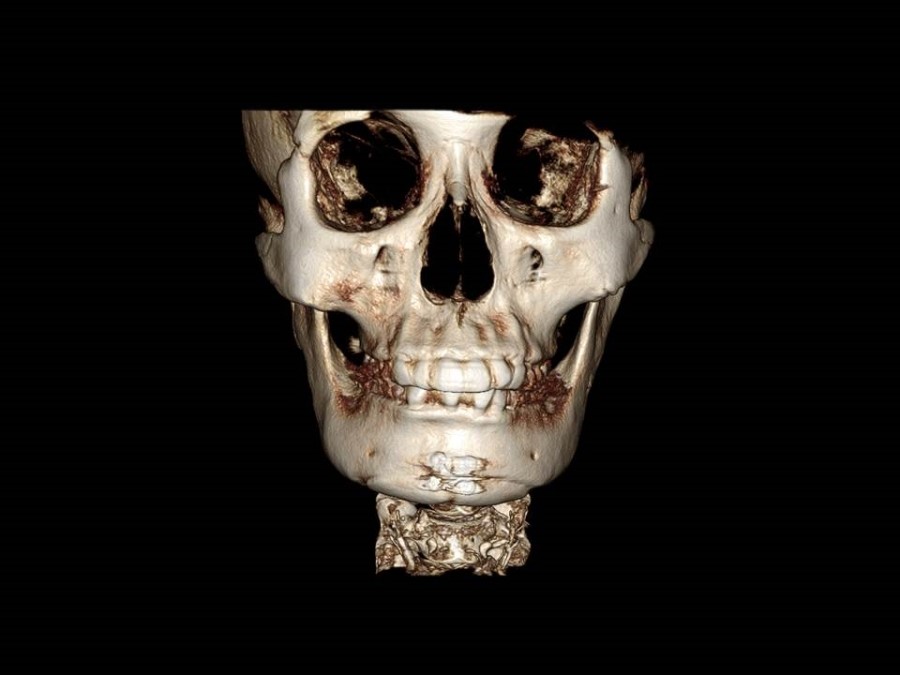
Next is the change in the front chin appearance in a case I treated with contour reduction.