"I went to OOO Dental Clinic near Gangnam Station because I heard there were a lot of doctors there, but less than 20% of what gets done is actually done by doctors.
They don’t even show their faces, and the remaining 80% is all done by staff, so I felt bad and I’m not going there anymore."
These were the words of an elderly gentleman who recently visited our clinic.
This is still happening at large dental clinics in Gangnam.
Before deciding whether this is a good thing or a bad thing from our perspective,
I think it was clearly not what the patient wanted.
Price competition at large dental clinics is premised on extreme management efficiency,
and if the cost structure itself fails to achieve that management-efficiency goal,
it can quickly lead to a massive bankruptcy crisis with enormous losses, so
more staff with lower salaries than doctors are hired to delegate parts of the treatment process.
Only then can a dental clinic of that scale be maintained.
The fact that implant surgery fees keep getting lower means not only that dentists are engaging in cutthroat competition by reducing their own income,
but also that more work is being done by other staff instead of doctors.
Naturally, the amount of 'responsibility' being taken also decreases.
From the perspective of a huge dental clinic, patient complaints are not profitable,
so when complaints arise, the chances of not being able to meet the doctor face-to-face become higher.
The fact that a dental clinic has guards is proof that there are that many dissatisfied patients.
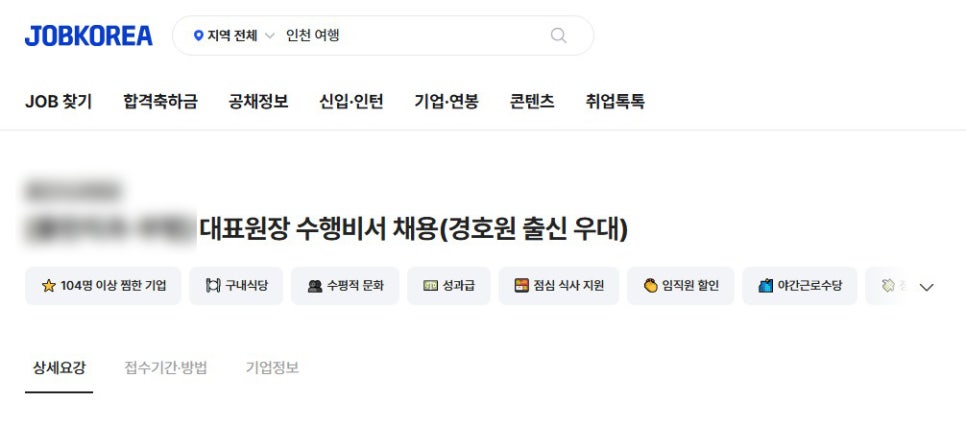
JobKorea dental clinic recruitment posting
In this situation, all a 'small dental clinic' could do was either
give up and lament, saying, 'Those guys are the bad ones,'
or chase after low-price cutthroat competition.
As the number of dentists increased past a critical point, the existing order collapsed,
and small dental clinics were trampled by huge dental clinics and sentenced to death.
One dinosaur-sized dental clinic swallowed more than 30 small clinics.
In some ways, you could say they are doing very well.
A dental clinic that can operate even when the chief doctor does not come to work
has already entered the realm of 'business'
and cannot be considered the same kind of business as an ordinary dental clinic.
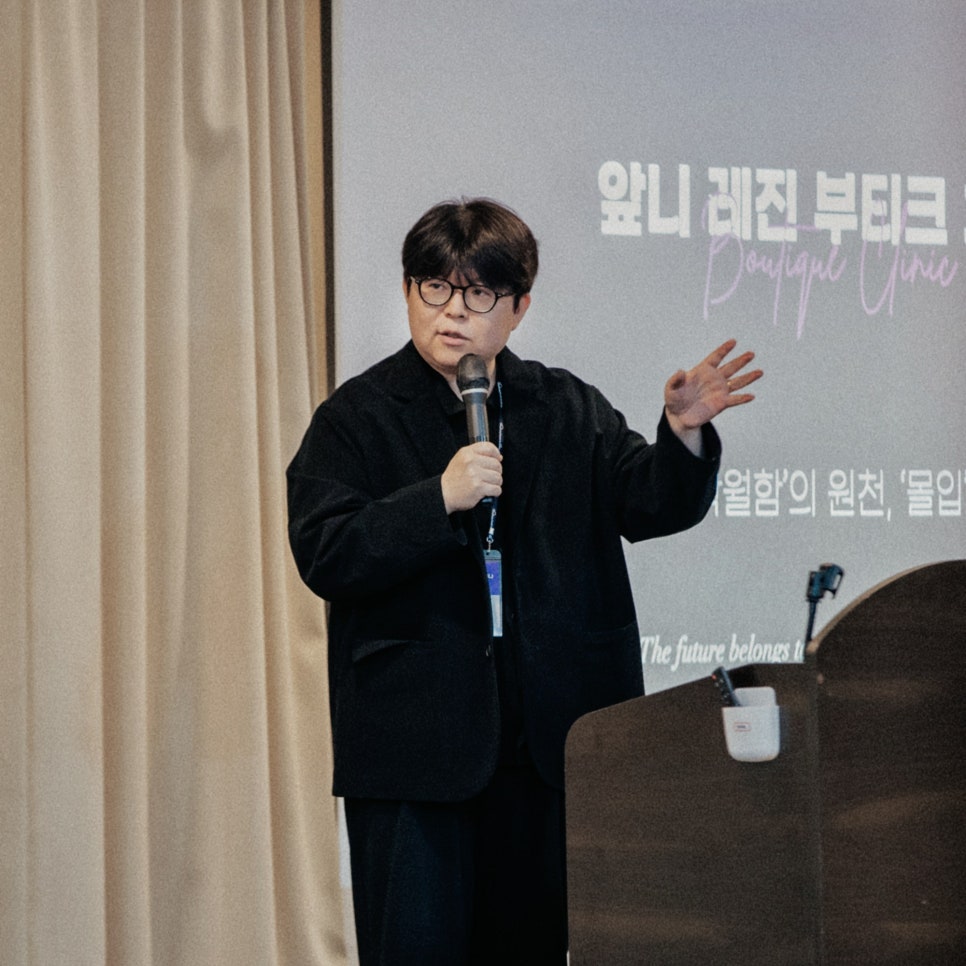
Against this backdrop, opening a brand-new clinic alone in the middle of Gangnam with no foundation at all,
in a dental industry situation where everyone was looking only at implants as the way to break through management bottlenecks,
I too could not help but first worry fundamentally about what kind of competitiveness a small clinic could have against the dinosaur clinics lined up like a giant guillotine around Gangnam Station and Sinsa Station.
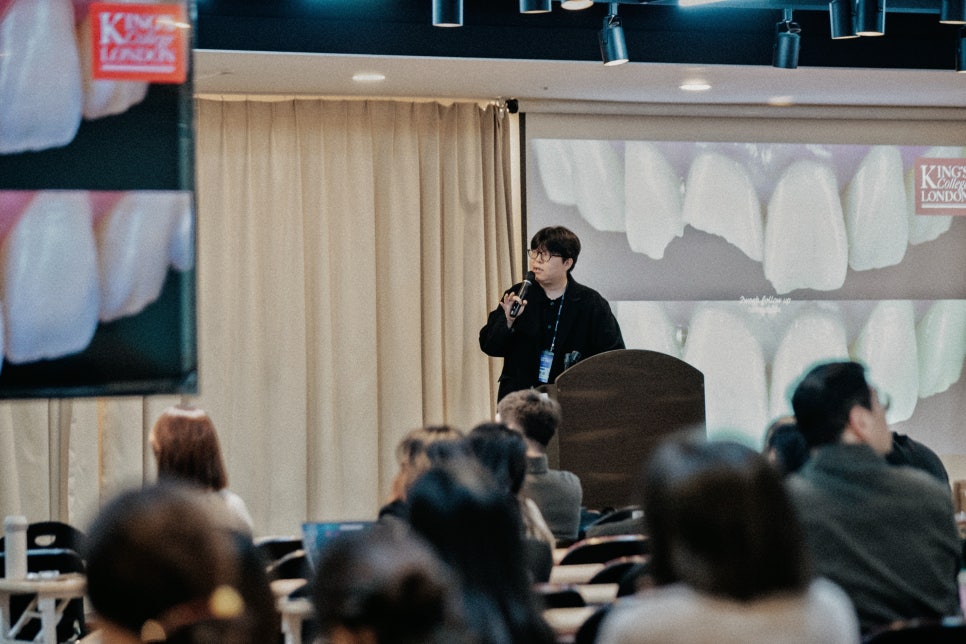
It was no different in the front teeth treatment market.
With clinics that had stacked up brand awareness like towers lining the area,
and large clinics growing stronger and stronger,
what could a neighborhood dental clinic use to differentiate itself?
In a market that is saturated and spiraling into chaos,
with what value can it establish itself as an irreplaceable option?
Thinking about differentiation ultimately means
thinking about which part of the market I will 'monopolize.'

In fact, I am always facing crises myself.
As I grow while influencing and being influenced by other dentists with excellent manual skills,
I sometimes think how fortunate it is that this business is a healthcare industry based on offline services,
while at the same time I am constantly motivated to become a better dentist because of it.
Not stopping and running forward
Wanting growth rather than stability
And always keeping 'patient happiness' at the center
I believe that is the real secret to me
owning my own clinic in Gangnam
and surviving.
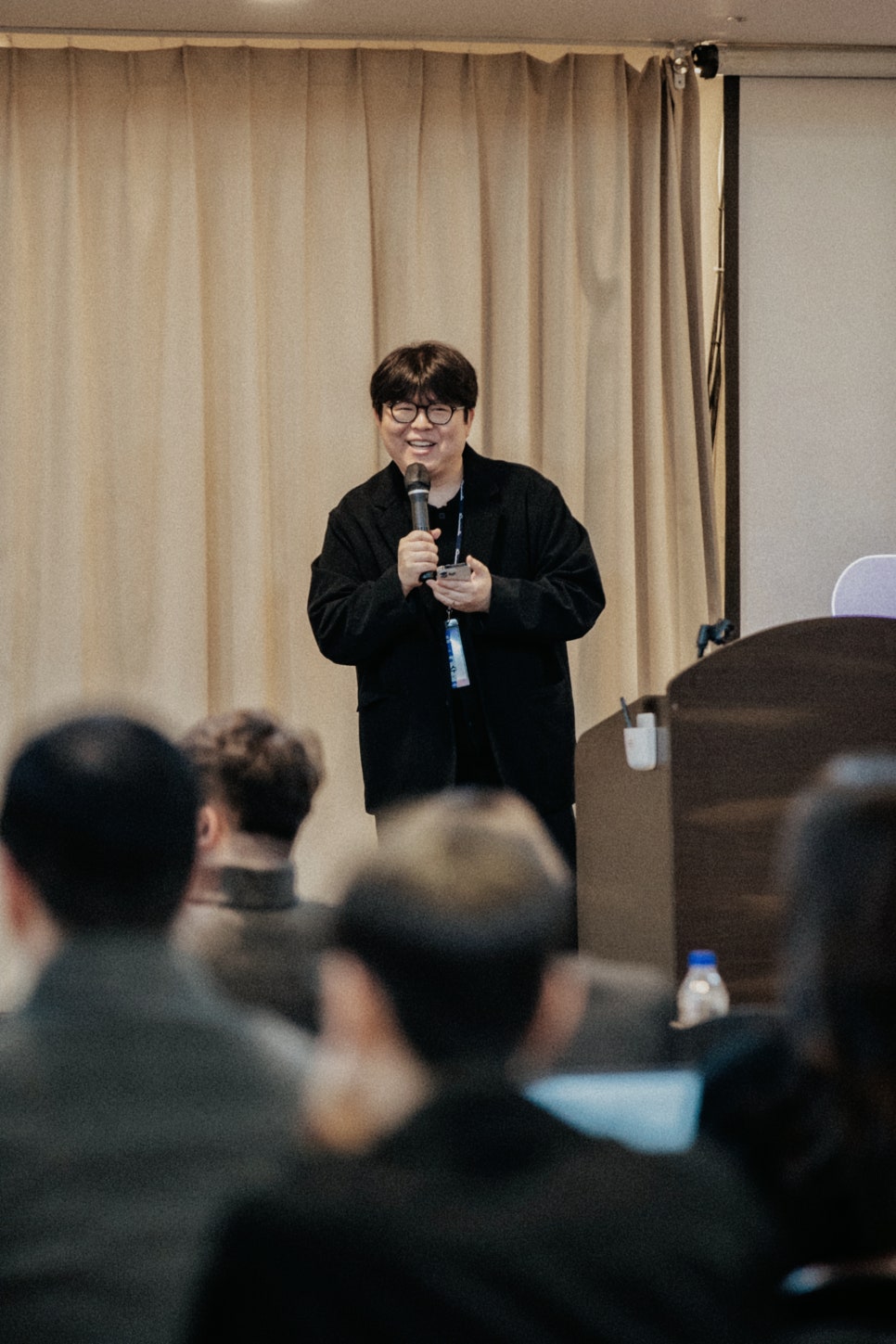
The choices we can make are clear.
Will we do it cheaper, or will we do it better?
If large dental clinics are systems created by pushing 'efficiency' to the extreme,
then small clinics, on the opposite side,
must hold on to 'experience' and 'responsibility' until the very end.
The patient knows my name,
sees my face,
I explain everything personally,
I treat them personally,
and even if a problem occurs, I take responsibility until the end.
This simple principle has now become 'differentiation.'
As I have said at seminars, I do not dislike large dental clinics.
They are simply the result of optimizing in their own way.
However,
there is clearly a gap that large dental clinics do not fill for patients,
and small clinics must prove their reason for existence right in that gap.
In the end, what we create is
not just treatment outcomes,
but the experience of "the moment they smile again."
And as those moments accumulate,
this small clinic becomes, for someone,
an irreplaceable choice.