If you notice blood on your toothbrush when brushing
or see reddish water after rinsing,
you may think it is simply because
you brushed too hard.
However, recurring gum bleeding
can be an important sign
that inflammation has begun.
In particular, gingivitis symptoms
are often left untreated because
they do not cause severe pain in the early stages.
However, if they are not managed at the right time,
the condition may progress to periodontitis,
which can lead to damage to the jawbone
or even loose teeth.
Why Do Gums Bleed When Brushing?
Healthy gums
do not bleed easily
just from brushing or using dental floss.
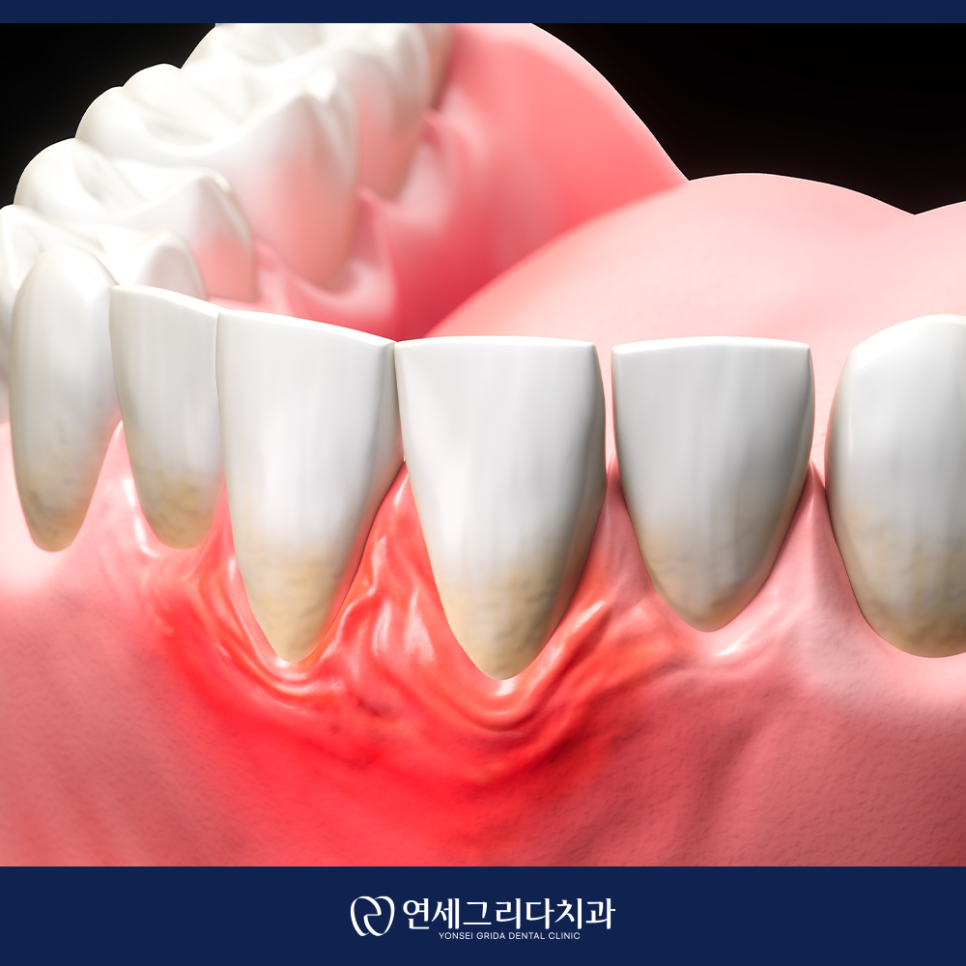
When the gums become inflamed,
blood vessels expand and the tissue weakens,
so bleeding can occur even with mild stimulation.
If you avoid the area because it bleeds,
plaque may build up further
and the inflammation may worsen.
Bleeding while brushing, swollen gums,
reddened gums, and bad breath
are typical symptoms of gingivitis.
What Does Gingivitis Look Like?
Healthy gums
are light pink
and firmly surround the teeth.
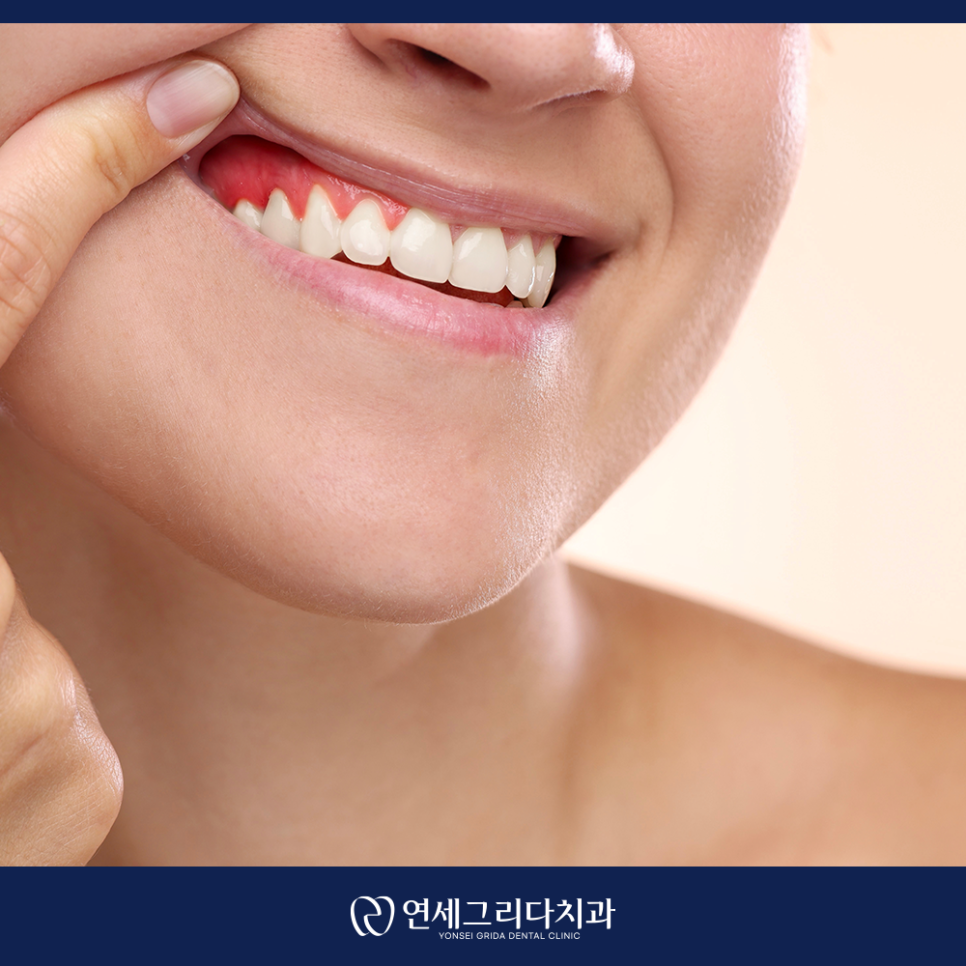
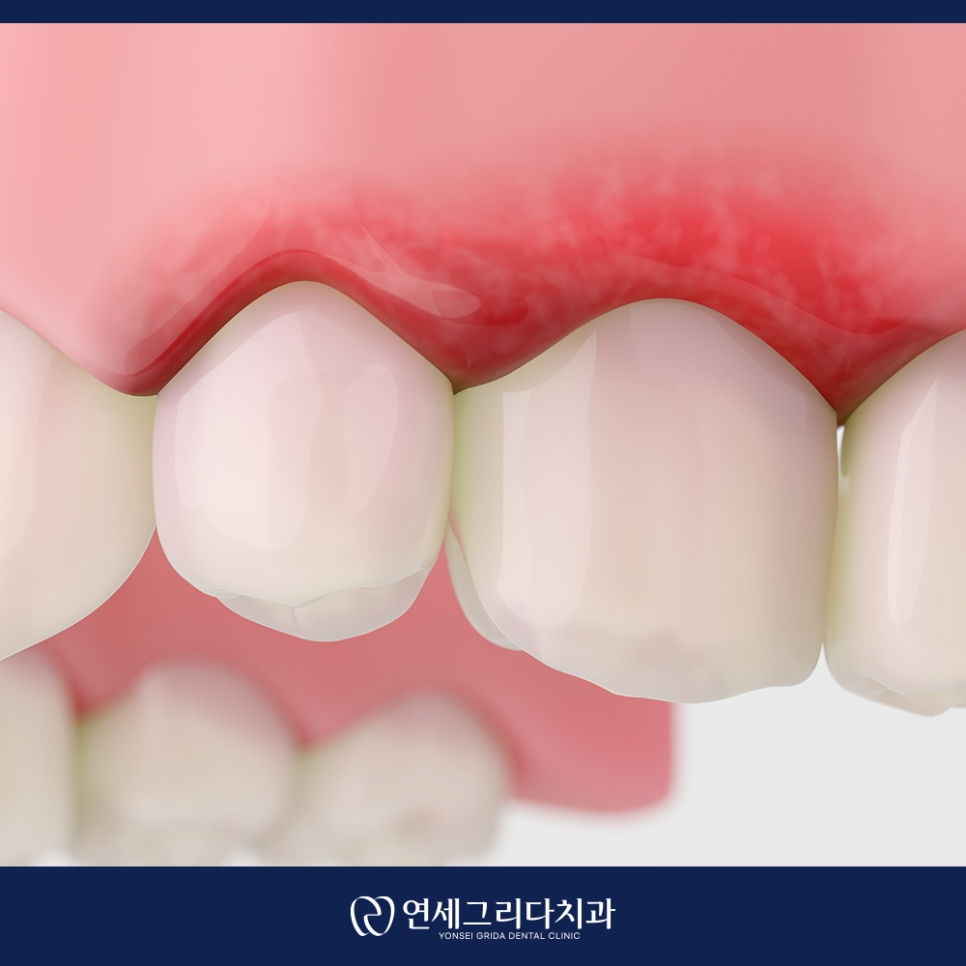
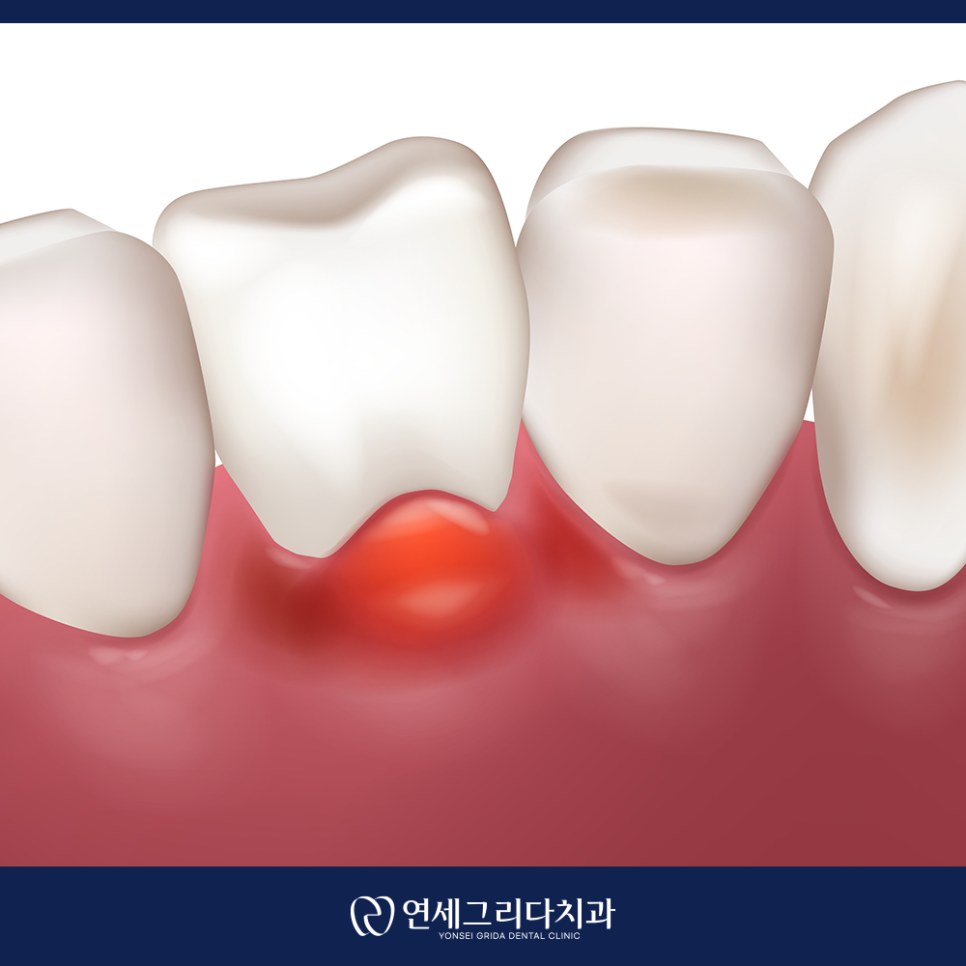
In contrast, inflamed gums
may become red or dark red
and appear soft and swollen.
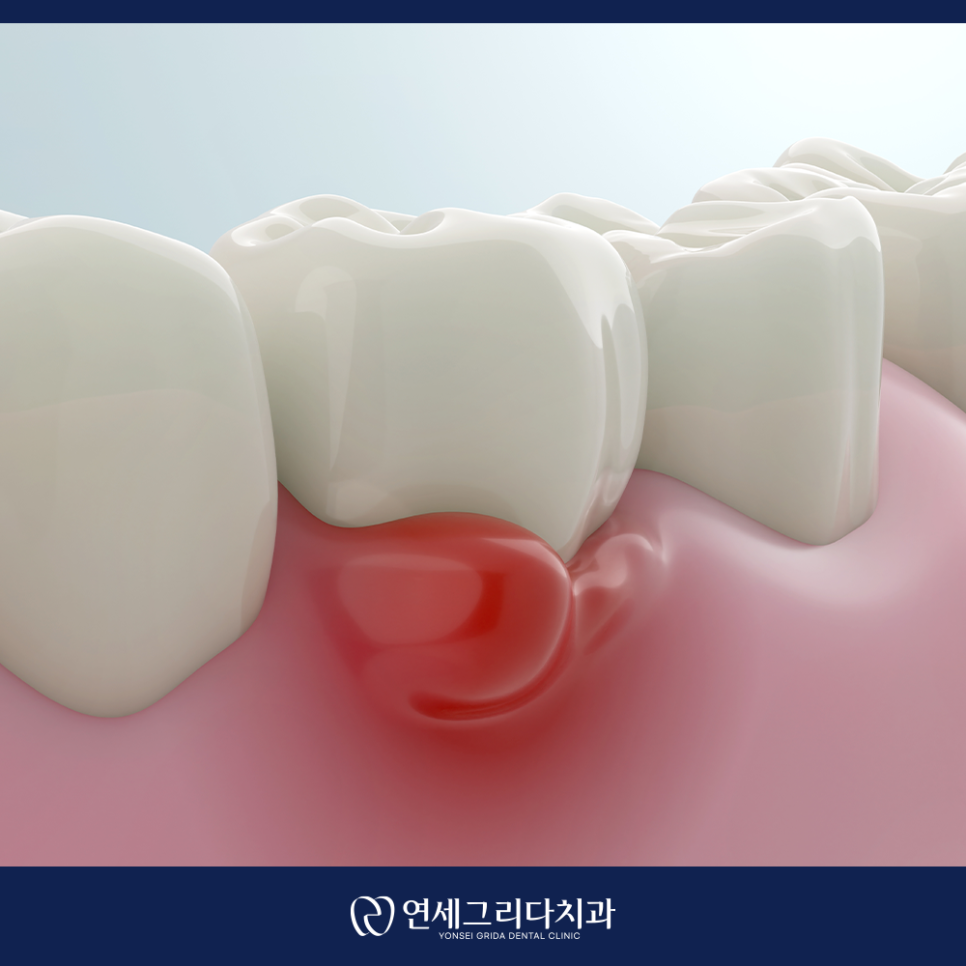
Changes such as a visible gap
between the teeth and gums
or a rounded, swollen-looking gumline
should also be observed carefully.
In addition, if bad breath quickly returns even after brushing,
or your gums feel itchy and heavy,
you may suspect symptoms of gingivitis.
Causes of Gingivitis
The primary cause of gingivitis
is plaque that accumulates along the boundary
between the tooth surface and the gums.
Plaque is a film made of food particles and bacteria
that clump together,
and when it remains for a long time,
it can cause inflammation.
Over time, plaque hardens
and becomes tartar,
which is difficult to remove by brushing alone.
Gum inflammation may also recur
if you have not had scaling for a long time,
food frequently gets stuck between your teeth,
or dental restorations do not fit properly.
Smoking, diabetes, stress, lack of sleep,
and hormonal changes caused by pregnancy
can also affect the development of gingivitis.
How to Manage Bleeding
You should not stop brushing
just because your gums bleed.
Use a soft-bristled toothbrush
to gently and thoroughly clean
the boundary between the teeth and gums.
Rather than scrubbing too hard,
it is better to use small movements
to remove plaque.
Since brushing alone is not enough to clean between the teeth,
using dental floss or an interdental brush
along with your toothbrush can be helpful.
Bleeding may occur at first,
but as the inflammation decreases,
bleeding often decreases as well.
However, if bleeding recurs for more than 1–2 weeks
or gum swelling and bad breath continue,
a dental examination is necessary.
When Dental Treatment Is Needed
The foundation of gingivitis treatment
is the removal of plaque and tartar.
At the dental clinic, the dentist checks for gum bleeding,
swelling, and the condition of the tartar,
then removes the cause of inflammation through scaling.
If the condition is still at the gingivitis stage,
symptoms may improve with scaling
and proper oral care alone.
However, if it progresses to periodontitis,
additional treatment such as root planing
or periodontal curettage may be necessary.
Symptoms of gingivitis
are an early warning sent by your gums.
If your gums repeatedly bleed when brushing,
do not take it lightly;
it is best to have them checked by a dentist.