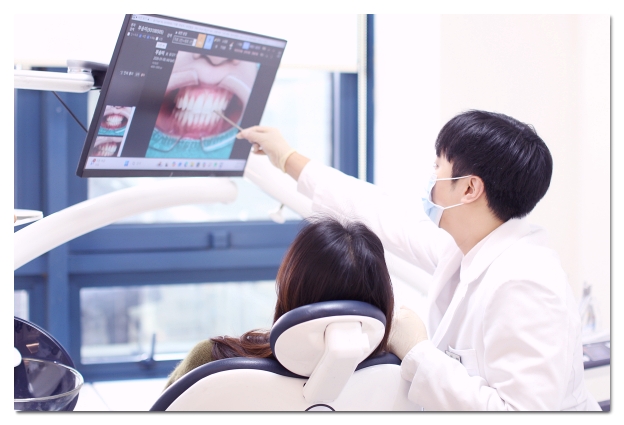
Hello, I’m Jae-hyung Park, the director of Wonjin Dental Clinic.
I want to whiten my teeth,
but is it okay to do it myself?
The cost difference compared with a dental clinic is quite significant,
so I’m having a hard time deciding.
When yellowing teeth start to bother you, it is natural to look into the cost first.
Since it is not an insignificant expense, many people find themselves leaning toward DIY whitening.
However, I have always felt that whitening should not be judged solely by its cost.
Even if you spend the same amount of money, you need to consider whether the method suits the condition of your teeth and how long the results will last in order to avoid regret.
Today, I’ll discuss everything from the cost of teeth whitening and the differences from DIY whitening to the treatment process, duration, and care methods to help you make that decision.
- How Much Does Teeth Whitening Cost?
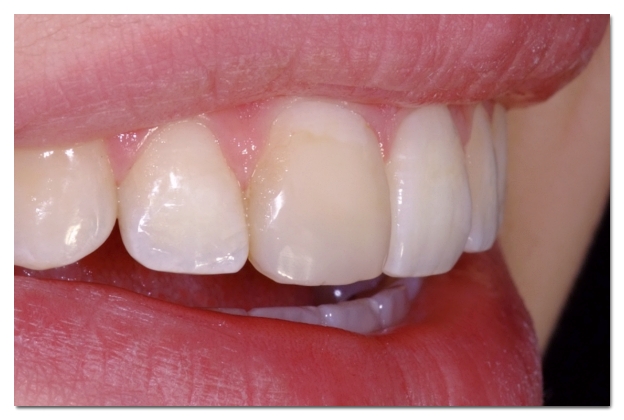
The cost of teeth whitening varies considerably depending on the method used.
Professional whitening at a dental clinic generally costs between 50,000 and 200,000 won per session at the lower end of the range.
The price varies depending on the whitening system used, the number of treatments, and the condition of your teeth.
DIY whitening, on the other hand, involves using whitening toothpaste, strips, gels, or similar products, and ranges widely from around 10,000 won to 100,000 won.
Its biggest advantage is the lower financial burden.
However, DIY products can vary greatly in effectiveness, require consistent use, and often do not brighten teeth as much as expected.
- What Is the Process for Professional Teeth Whitening at a Dental Clinic?
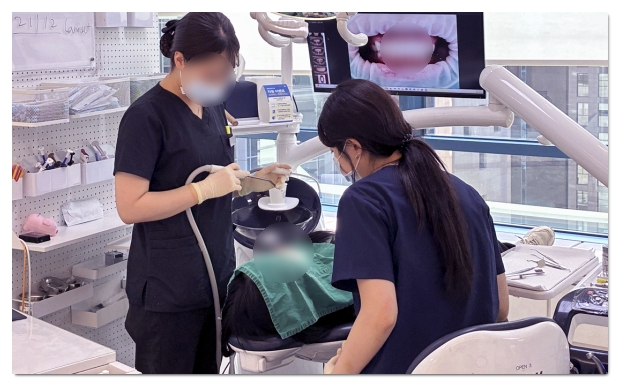
The whitening process at a dental clinic is relatively simple.
A single treatment usually takes about 30 minutes to one hour.
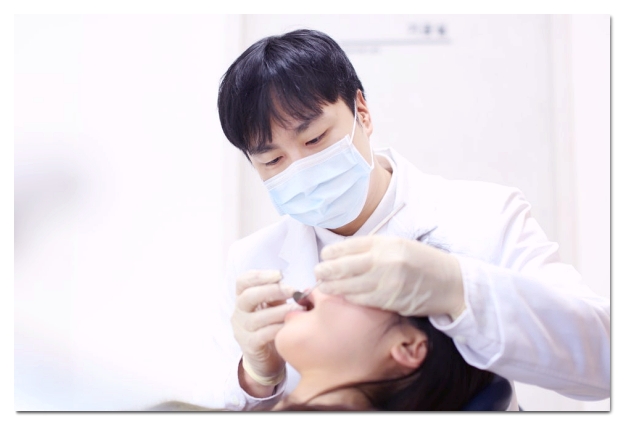
First, the dentist conducts a thorough examination of your teeth and gums.
If you have cavities or gum inflammation, the whitening agent may cause irritation, so these issues are addressed first before proceeding.
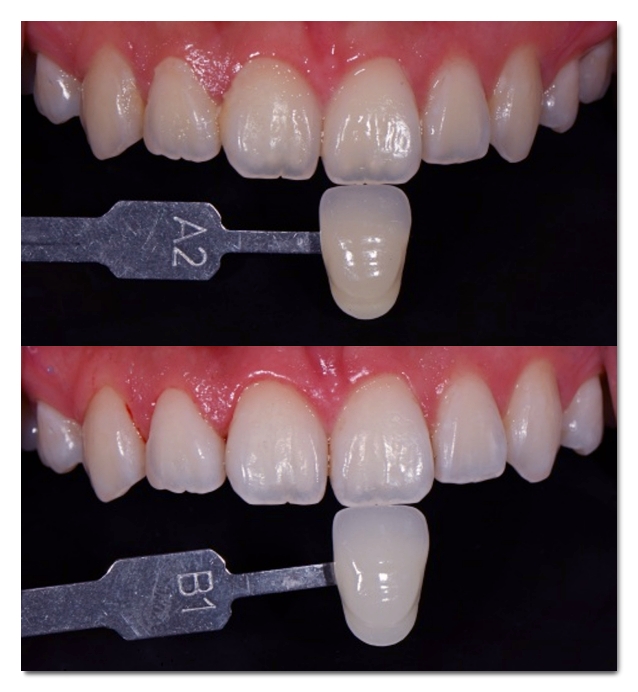
Next, a protective agent is applied around the gums to protect the soft tissues, and the whitening agent is evenly applied to the discolored areas.
We use the 뷰티스 whitening agent.
26.06.05 ~ 26.06.05
The concentration can be adjusted according to the condition of your teeth, so even those concerned about sensitivity can undergo the treatment with less discomfort.
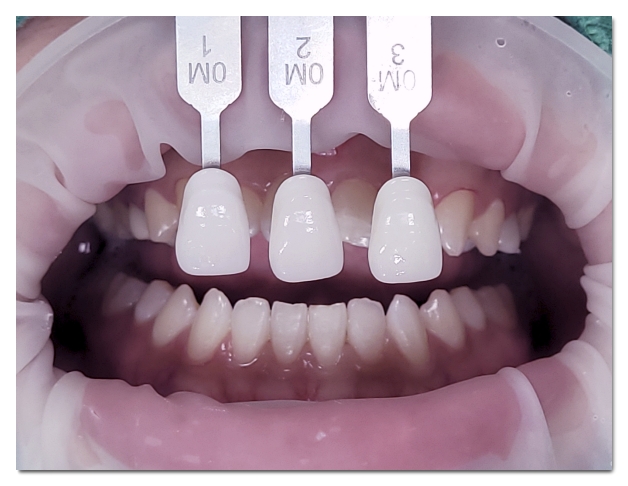
Afterward, LED light is applied to allow the whitening agent to react sufficiently. We then check whether the desired brightness has been reached and complete the treatment.
Depending on the condition of your teeth, we may also discuss whether additional treatment is needed.
- How Long Do the Effects of Teeth Whitening Last?
This is probably the aspect you are most curious about.
Although there are significant individual differences, the results generally last about six months to one year.
However, this period may be shorter if you frequently consume highly staining foods and beverages such as coffee or wine, smoke, or neglect your oral hygiene.
Conversely, the results may last longer if you manage your daily habits well.
Still, some people may have been disappointed that their teeth did not become as bright as expected even after whitening.
In such cases, the issue is often not with the whitening itself but with the cause of the discoloration.
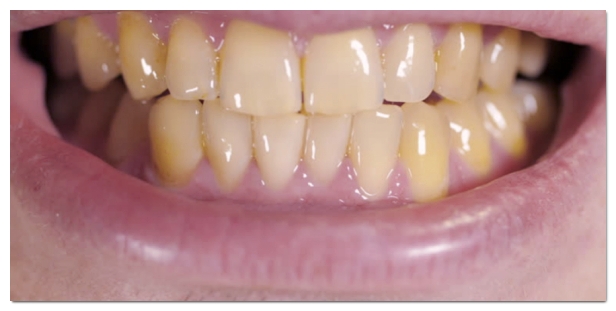
If the surface of the tooth has worn down, allowing the color of the underlying dentin to show through, or if the teeth are naturally dark in color, whitening agents have limitations.
In these situations, veneers, which can improve both color and shape, may be another option.
Of course, many people can achieve satisfactory results with whitening alone, so the best approach should be decided together after accurately identifying the cause.
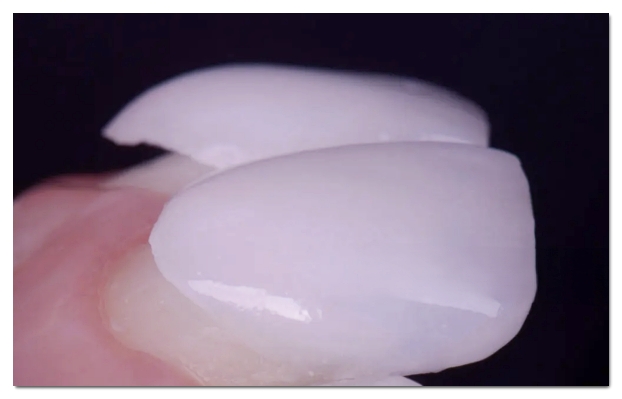
However, many people hesitate when they hear the word “veneers,” wondering whether a significant amount of tooth structure must be removed.
These days, veneers can be placed using minimally invasive or no-prep techniques that preserve as much of the natural tooth as possible.
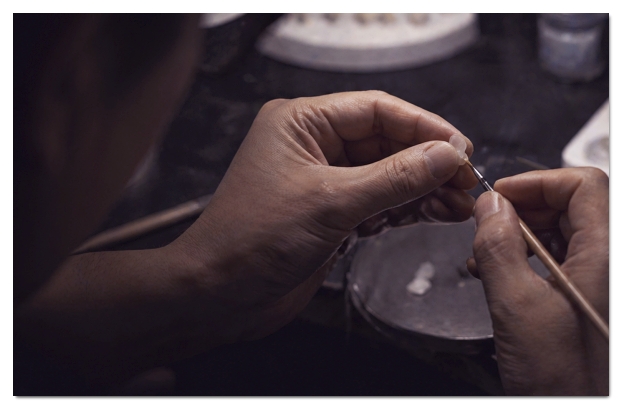
To minimize the amount of tooth reduction, hand-layered veneers made by building up the material with a brush can be more advantageous than veneers shaped by machine.
I have written in detail about the differences, advantages, and disadvantages of these two fabrication methods.
If you are considering veneers, please be sure to read the article below.
- Follow These Care Tips After Teeth Whitening
The results and duration of whitening can vary considerably depending on how you care for your teeth afterward.
The first 24–48 hours after treatment are especially important.
During this period, your teeth are more susceptible to staining, so it is best to temporarily avoid dark-colored foods and beverages such as coffee, wine, curry, and chocolate.
Smoking is also a major cause of re-staining, so it is best to refrain from smoking for at least one week.
Also, brush and floss carefully in the morning and evening so that staining substances do not remain on your teeth for long.
Regular scaling and dental checkups are important as well.
They not only help prolong the whitening results but also greatly contribute to maintaining overall oral health.
Conclusion
Today, I covered everything from the cost of teeth whitening and a comparison with DIY whitening to the process, duration, and care methods.
The point I want to emphasize most is that, rather than deciding based solely on cost, you should first find the method that is right for you based on an accurate diagnosis.
Even with the same whitening treatment, DIY whitening may be suitable for one person, professional whitening for another, and a different approach for someone else.
Since your teeth are something you will live with for a long time, I hope you make the choice that will provide the greatest satisfaction in the long run rather than focusing only on the immediate cost.
Thank you. This was Jae-hyung Park from Wonjin Dental Clinic.