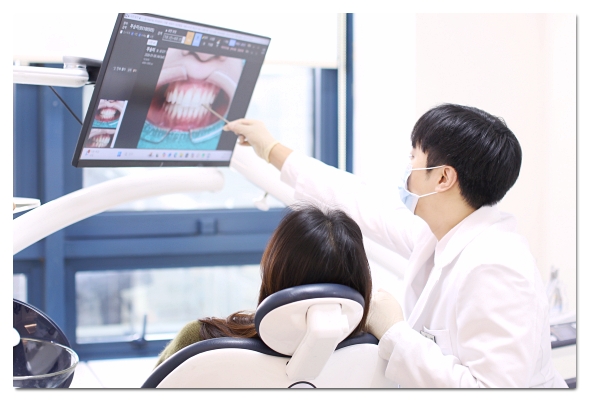
Hello. I am Park Jae-hyung, director of Wonjin Dental Clinic.
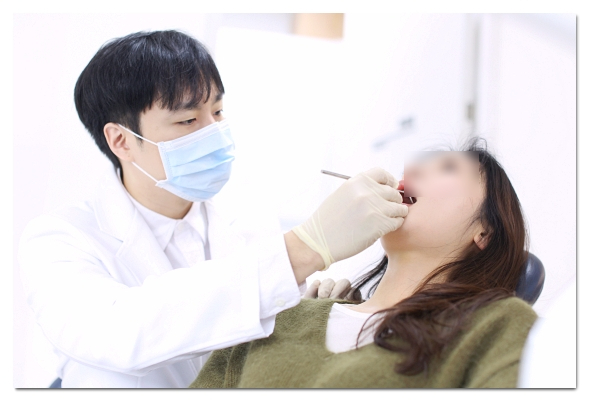
My gums feel swollen and sore
Many of you may have searched for answers after waking up to find that your gums were swollen, or after noticing that one side of your gums had become swollen while brushing your teeth.
Swollen gums sometimes resolve without much concern, but they can also be a sign sent by your body.
Above all, you are probably most curious whether the swelling will go down on its own if left alone or whether it is a condition that requires a visit to the dentist.
In this article, I will summarize the common causes of swollen gums, care you can try at home, and situations in which you should visit the dentist.
I hope this helps you assess whether your current condition is closer to one situation or the other, rather than worrying vaguely or simply putting up with it.
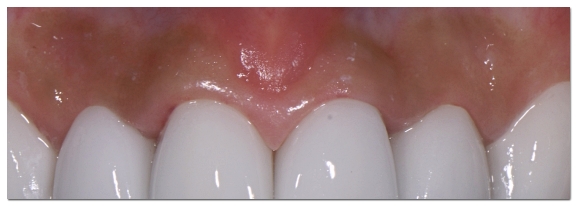
Table of Contents
-
The first questions that come to mind when your gums are swollen
-
Common causes of swollen gums
-
Care for swollen gums you can try at home
-
Situations in which you should visit the dentist
-
Why swollen gums should not be left untreated
-
In closing
Common causes of swollen gums
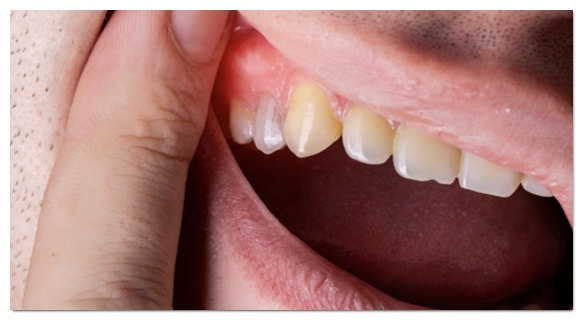
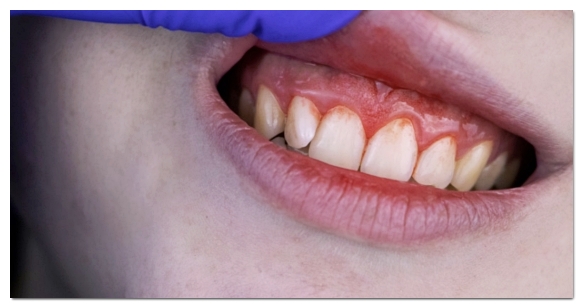
The most common cause of swollen gums is gum inflammation caused by the buildup of plaque and tartar.
In the early stages, the gums may simply become red and swollen, but if left untreated, the condition can progress to periodontitis, which affects the bone supporting the teeth.
It is also common for gums to swell when food becomes lodged between the gums and causes irritation, or when inflammation develops in the gum covering the area around a wisdom tooth.
(Even in our own practice, we quite often need to treat periodontal disease before beginning prosthetic treatment.)
The teeth shown in the photo above are from a patient who first received gum treatment for periodontal disease before getting veneers.
This is especially common when a wisdom tooth grows at an angle or only partially erupts, because the surrounding area is difficult to clean.
In addition, the gums may temporarily swell when factors such as brushing too hard, fatigue, reduced immunity, or hormonal changes overlap.
If one area is particularly swollen and throbbing, you should also consider the possibility of an abscess, in which pus has collected inside the gum.
In other words, swollen gums do not have just one cause.
They are a symptom that can result from various factors, including oral hygiene, problems with a particular tooth, and overall physical condition.
If your gums have usually bled easily or you have also noticed bad breath, the gum inflammation may already have progressed to some extent.
Therefore, the cause can differ from person to person even when the swelling appears similar, and the appropriate response may also vary.
Care for swollen gums you can try at home
The first priority is to avoid irritating the swollen gums further.
Rinsing your mouth gently with lukewarm salt water or saline may help temporarily reduce irritation.
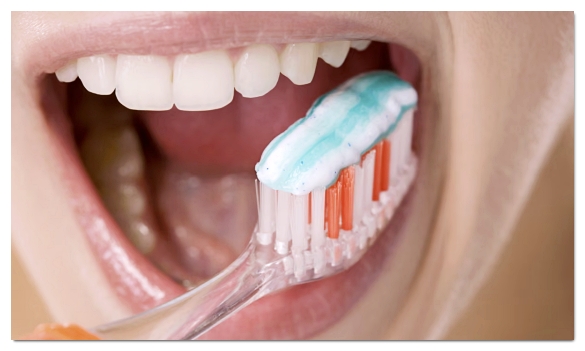
Rather than stopping brushing altogether, it is better to brush gently with a soft toothbrush so that food particles and plaque do not build up further.
Avoid foods that are too hot, hard, or irritating for a while. Getting enough rest and drinking sufficient fluids can also help restore your overall condition.
Repeatedly touching the swollen area with your finger or a toothpick, or trying to squeeze it forcibly,
may cause additional irritation and secondary infection, so it is best to avoid doing so.
Alcohol and smoking can also delay gum recovery, so it is better to cut back temporarily while symptoms are present.
However, these measures are only temporary ways to ease the symptoms; they do not treat the underlying cause.
In particular, if the swelling remains unchanged for several days even after reducing irritation, this may be a sign that home care alone has its limits.
Situations in which you should visit the dentist
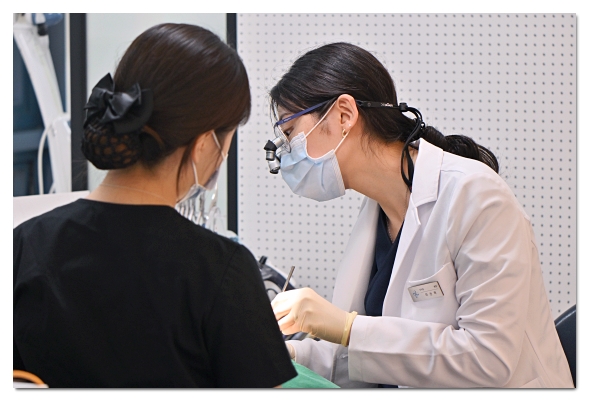
If any of the following situations apply, it is safer to visit the dentist rather than trying to endure it at home.
This includes when the swelling does not go down after several days or becomes worse,
when pus comes from the gums or they bleed frequently,
or when the pain is severe and your face also feels swollen.
If a tooth feels loose or you also feel pain when chewing, inflammation may be progressing inside the gums.
These signs are more likely to indicate a condition requiring treatment rather than simple swelling.
In particular, if the pain or swelling feels as though it is gradually spreading over a wider area,
it may take longer to recover if you delay, so it is best to have it checked as soon as possible.
Why swollen gums should not be left untreated
If you repeatedly dismiss swollen gums as a minor issue, the inflammation may spread to the bone beneath the gums and progress to a stage that is difficult to reverse.
Once the bone supporting the gums has been lost, it does not naturally recover, so finding and managing the cause early is especially important.
A problem that can be addressed with relatively simple care when detected early often requires more extensive treatment and more time if the opportunity is missed.

The procedure is performed using painless anesthesia to minimize discomfort, so you do not need to worry too much.
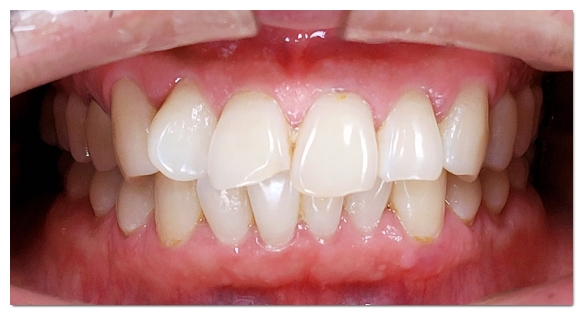
The case below also involved swelling and inflammation of the gums that had been left untreated and developed into a radicular cyst.
Ultimately, treatment involving root canal therapy followed by placement of a crown was necessary.
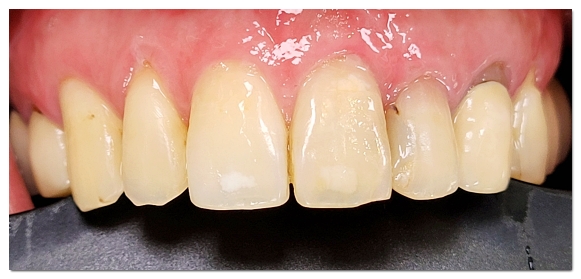
A radicular cyst had developed in the gum around the second tooth from the right in the photo above, and treatment was performed.
If the same area keeps swelling, it means there is a definite cause at that site, so I recommend not ignoring recurring signs.
Covering up only the symptoms with painkillers or mouthwash may provide temporary relief, but the cause remains and may appear more severely next time.
In closing
Swollen gums are a common symptom that can occur in anyone, but they can also be a meaningful sign sent by your body.
Sometimes the swelling settles with brief care, but leaving it untreated without knowing the exact cause can lead to a bigger problem.
If your symptoms continue for more than several days or recur, I recommend identifying the cause through an accurate diagnosis and managing it accordingly.
Because gum health can be difficult to restore once it deteriorates,
forming the habit of having unusual signs checked early is ultimately the best way to protect your teeth for a long time.
Thank you. This has been Park Jae-hyung.