
Hello. I am Jungwon Yoon, the chief director of Yonsei Jeongwon Dental Clinic, an orthodontic clinic in Daechi-dong.
Parents of elementary and middle school students around me often ask a lot about when their children should begin orthodontic treatment. In particular, for elementary school children, growth is still actively taking place, permanent teeth may not have fully erupted yet, and you may also worry about whether children can endure orthodontic treatment well.�
When is a good time to start orthodontic treatment for children?
In children, there are cases such as missing teeth where there is no permanent tooth beneath the baby tooth, or cases where there are more teeth than normal and they are impacted (buried inside the gum bone). There are also cases where the jawbone grows abnormally, resulting in a lower jaw that protrudes significantly or a short lower jaw.
There is no restriction on when orthodontic treatment can begin, but in general, elementary school students can also start orthodontic treatment. However, it is important to monitor the growth stage through regular checkups and decide on the appropriate timing to begin treatment. In the case of children’s growth orthodontics, which uses jawbone growth rather than general bracket orthodontics, treatment must begin in line with the jawbone growth period to achieve maximum effect, so it is essential to evaluate the appropriate treatment timing through a detailed examination at around ages 6 to 7.�
The most appropriate time to start orthodontic treatment is during the growth period.
During the growth period, tooth movement is relatively fast and smooth, so the overall treatment period is shorter, and jaw growth problems such as a retruded chin or protruding chin can also be controlled and improved to some extent. By adjusting the direction of jaw growth early, it may be possible to reduce the likelihood of needing jaw surgery as an adult.
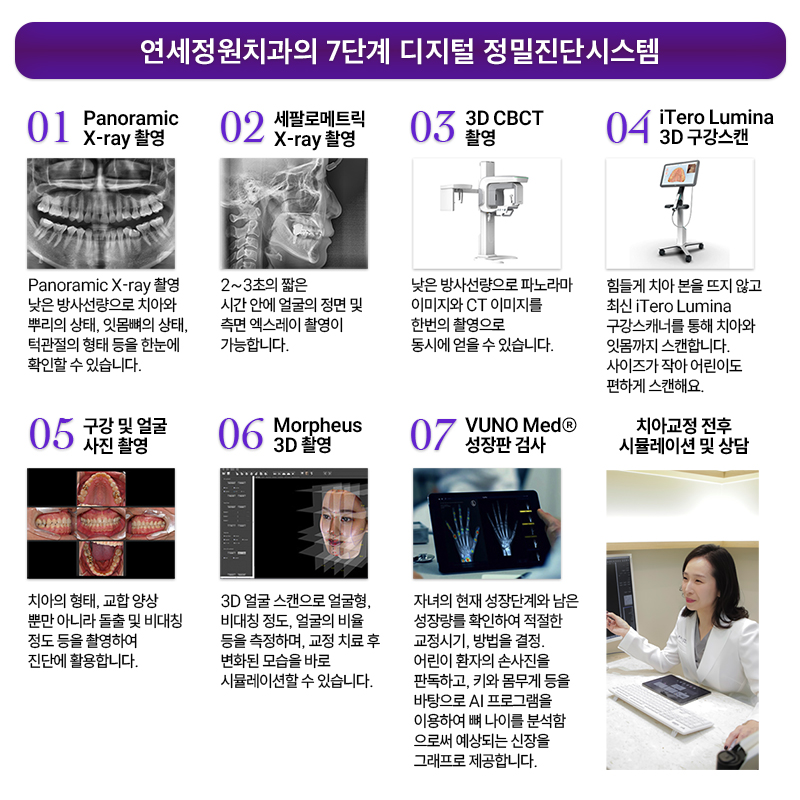
In childhood and adolescence, it is possible to determine the current growth stage and the amount of growth remaining through a hand bone growth plate test, and based on this, the right time for children’s orthodontic treatment is determined and the treatment method is selected. At Yonsei Jeongwon Dental Clinic, after taking a hand X-ray, a growth plate test is performed using the VUNOmed BoneAge examination. The VUNOmed BoneAge examination reads the hand X-ray image and provides the current bone age and estimated height. VUNOmed BoneAge is a test with about 72.5% accuracy and is a program that improves reading concordance by more than 15% compared to when a doctor interprets it visually.
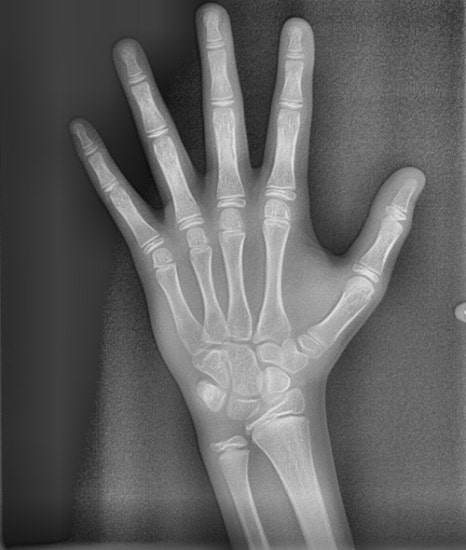
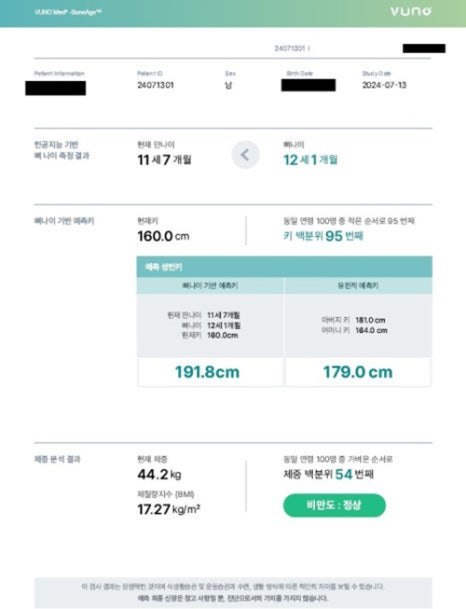
VUNOmed growth plate test
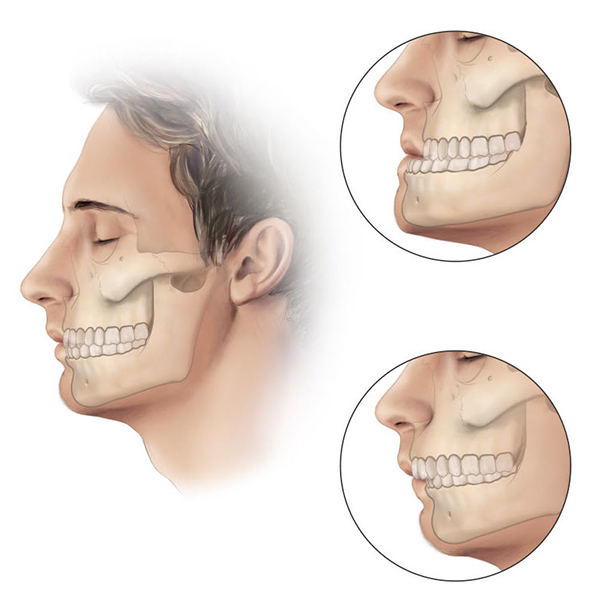
- In cases where there is a skeletal growth discrepancy such as a protruding lower jaw
Before the start of the “pubertal peak growth spurt,” that is, from the mixed dentition period when baby teeth fall out and permanent teeth begin to erupt (around ages 6 to 7), if an anterior crossbite is found, it is best to begin treatment as quickly as possible.
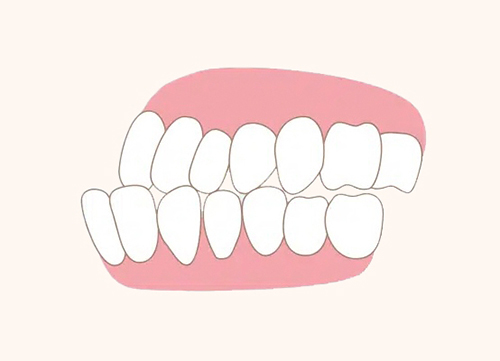
- In cases where there is a skeletal growth discrepancy such as a retruded chin
For girls, the “pubertal peak growth spurt” occurs around ages 10 to 12, and for boys, about two years later, around ages 12 to 14. This is the period when height suddenly increases, and it is also a time when the growth of the facial bones becomes especially noticeable. By using the rapid growth during this period, a retruded chin can be effectively improved.
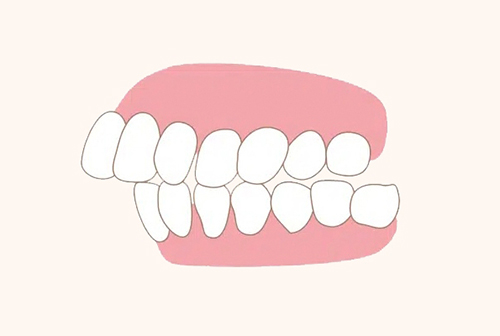
- In cases with no skeletal problems, but with problems in tooth position or alignment
Orthodontic treatment can begin in the upper elementary school grades to middle school, when baby teeth have fallen out and permanent teeth have mostly erupted.
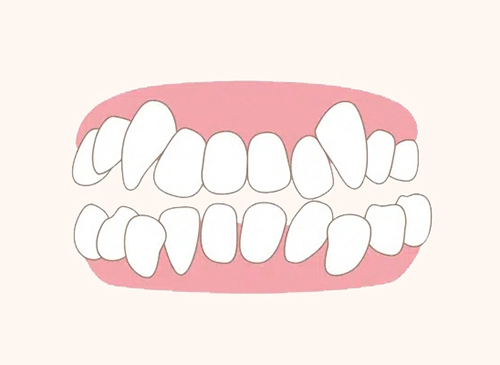
The more severe the skeletal problem, the better it is to start orthodontic treatment as early as possible. The goal of growth-period orthodontic treatment is to use the upcoming pubertal peak growth to control facial bone growth, reduce skeletal discrepancies, or change the growth direction in a desirable way.
However, it is absolutely not too late even if orthodontic treatment was not started during the growth period.
In recent years, adult orthodontics and even middle-aged orthodontics have become increasingly common. Of course, compared with starting treatment during the growth period, the treatment time may be longer and the dental side effects may be somewhat greater, but the advantage of achieving a healthy bite through orthodontic treatment and thereby having healthier teeth and gums is even greater.
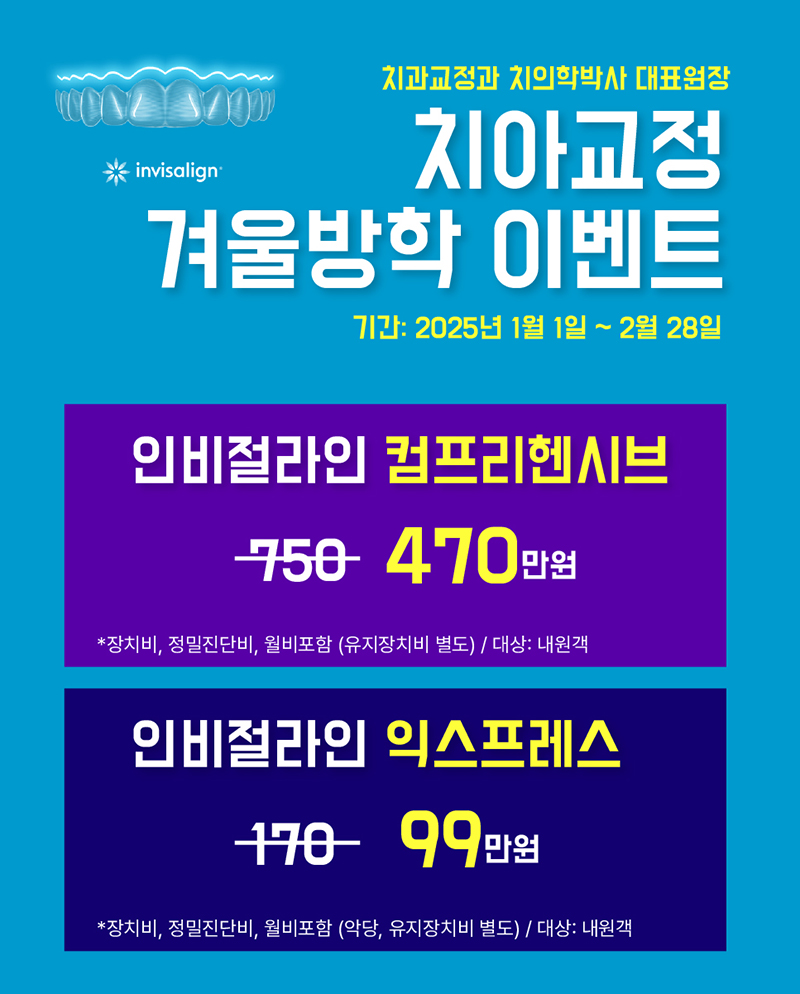
The orthodontic treatment at Yonsei Jeongwon Dental Clinic includes the cost of detailed diagnosis and monthly fees (excluding retainer costs), so you do not need to worry about additional expenses.
In addition, since general dental treatment is also available, all treatment needed for orthodontics, such as extractions and cavity treatment, can be done in one place. A installment payment system is also in place to reduce the burden of paying a large amount all at once, making it even more attractive.
Yonsei Jeongwon Dental Clinic has all the latest equipment needed for orthodontic treatment, including the iTero Lumina 3D intraoral scanner, growth plate testing, and pre- and post-treatment simulations using the Morpheus facial scanner, allowing for more precise and systematic orthodontic treatment.
During consultations, you can directly compare various appliances such as Clarity, Clippy-C, and Invisalign with your own eyes and hear detailed explanations of their pros and cons, so we recommend calling or visiting for a consultation without hesitation.
Yonsei Jeongwon Dental Clinic is close to Samseong Station, Hagyeoul Station, Daechi Station, and Hanti Station, making it very convenient to visit from Samseong-dong, Daechi-dong, and Gaepo-dong.
Building next to BMW at the Woosung Apartment intersection in Daechi-dong
(Across from Starbucks / Samsung Store)
Yonsei Jeongwon Dental Clinic in Daechi-dong
Parking is convenient and free
Consultation and inquiries: 02-501-2879