Mouthwash, also known as oral cleanser,
varies slightly in ingredients from product to product,
but it generally contains antibacterial ingredients
that suppress bacteria and
fluoride ingredients that help prevent cavities.
When brushing is difficult in a busy daily routine,
or when bad breath is a concern in social situations,
it is convenient to use,
so it is also a product many people look for.
When used well,
it is one of the oral care aids
that can be truly effective.
However, some people
do not use mouthwash in the proper way,
or use it as a substitute for brushing. (ㅠㅠ)
Along with the correct way to use mouthwash,
I will also explain the cautions regarding
using mouthwash right after brushing your teeth! 🤗
Correct Way to Use Mouthwash
Mouthwash should generally be used
about 1 to 2 times a day for adults,
with about 10 to 15 ml held in the mouth
and gargled for about 30 seconds before spitting it out.
When using mouthwash, it is important to avoid excessive use.
If the frequency of use is too high or continues for a long period,
not only harmful bacteria but also beneficial bacteria needed for the oral environment
may decrease, which can actually reduce the mouth’s defenses.
Therefore, habitual overuse
is not advisable.
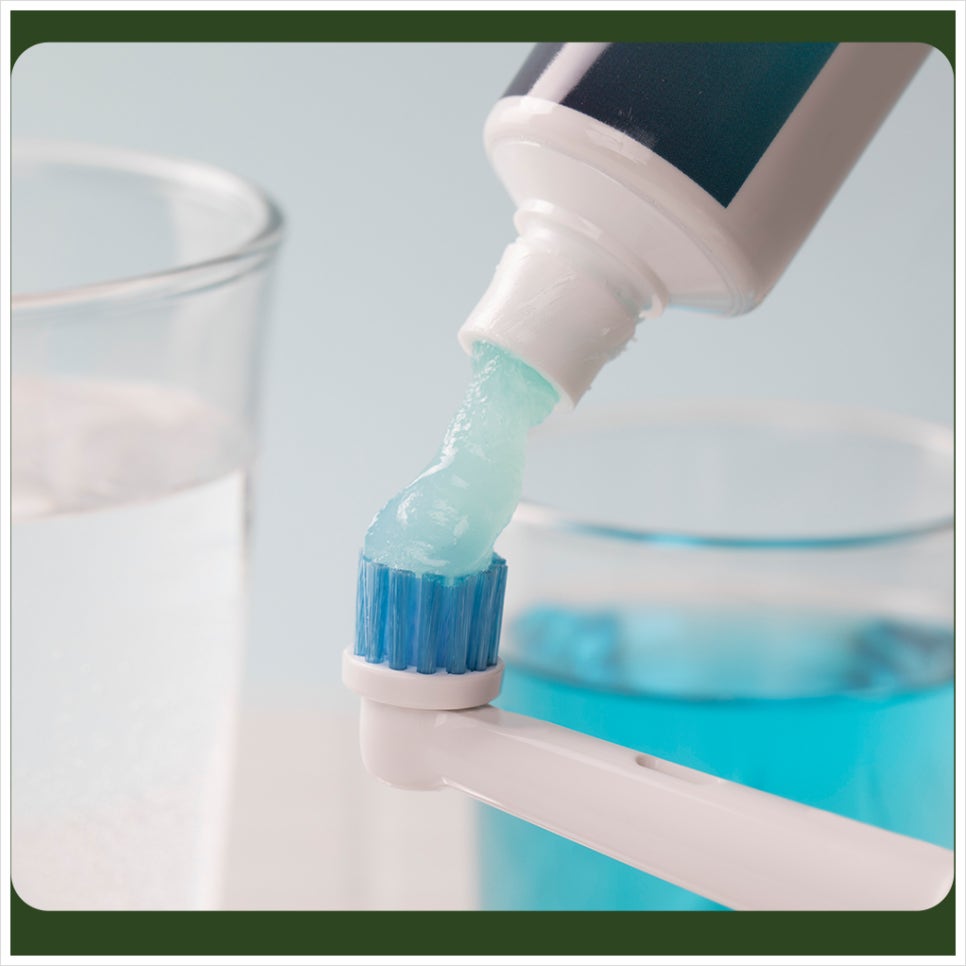
Using Mouthwash Right After Brushing,
Please Be Careful!
In addition, if you use mouthwash right after brushing,
there is a risk of tooth discoloration,
so caution is needed.
When the surfactants in toothpaste
and the chloride ingredients in mouthwash
come into contact, they can cause tooth discoloration,
so it is better to use it after about 30 minutes have passed
after brushing.
Also, if the alcohol ingredients contained in some mouthwashes
remain in the mouth, they can dry out the mucous membranes,
leading to worse dry mouth and bad breath.
Although it varies by product,
a light rinse with water after using mouthwash
can help reduce these side effects,
so please keep this in mind.
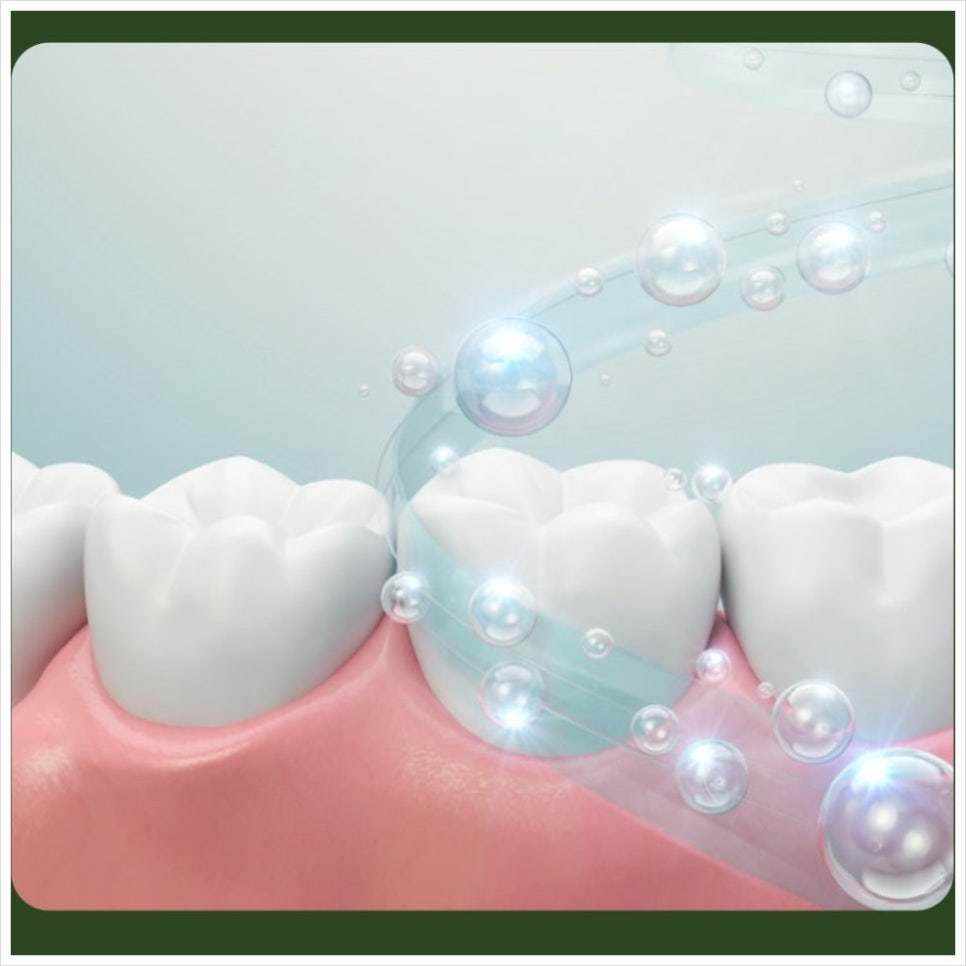
Also, for older adults whose mouths dry out easily,
mouthwash can worsen dryness and
cause discomfort,
so extra caution is needed when using it.
And for children,
if they use regular mouthwash with strong ingredients,
their delicate oral mucosa may be irritated,
so it is recommended to choose products made for children if possible.
As many people are interested in oral health,
today I explained ways to use mouthwash
more effectively!
Using mouthwash right after brushing your teeth
However, if used correctly, mouthwash is definitely
a good oral care aid that helps oral health,
but you must remember that it can never replace brushing.
Basically,
brushing that thoroughly cleans between the teeth
should always come first.
And if you use oral care aids such as
mouthwash, floss, and interdental brushes,
you will be able to keep the inside of your mouth
much cleaner.
Starting today, why not begin a small habit for your teeth,
and do it properly once? 😊
Seoul of Dental Hospital
4th and 5th floors, 196 Baekjegobun-ro, Songpa-gu, Seoul