
These days, many people are not only brushing their teeth,
but also carefully using dental floss
as part of their oral care routine.
However, the moment you use floss,
“Wait, it’s bleeding... Is it okay to keep using this?”
You may have thought this at least once.
In fact, in the clinic,
“I bleed from my gums when I use floss.”
“Could it actually be harming my gums?”
are questions we hear very often.
Does bleeding mean
you should stop right away?
Today, we’ll go step by step through
✔ What to do if you bleed while using dental floss
✔ How to use dental floss correctly
😊

Before we get into the main topic,
“Why do we need to use floss?” 🤔
The spaces between teeth are
more of a tricky blind spot than you might think.
Food debris and plaque can easily remain there,
but toothbrush bristles have limits when it comes to reaching deep inside,
and even with careful brushing,
this area is easy to miss.
When this continues,
plaque builds up in hidden gaps,
and over time it hardens into tartar,
causing inflammation in the gums.
At first, it begins with mild
gum discomfort,
but if not managed, it can progress from gingivitis
to periodontitis.
That’s why it’s necessary to use a floss,
a dental aid, to clean
the spaces between teeth thoroughly! 🦷

💖 Then how
should you use it?
✳ Cut about 30 cm of floss
into a suitable length,
then wrap the cut floss around your index fingers once.
✳ Slide it between the teeth with a sawing motion,
then curve it into a C shape around the tooth and gently clean
by moving it deep along the surface.
✳ When using floss,
if you apply too much force,
you may actually injure the gums,
so it should be used with gentle movements.
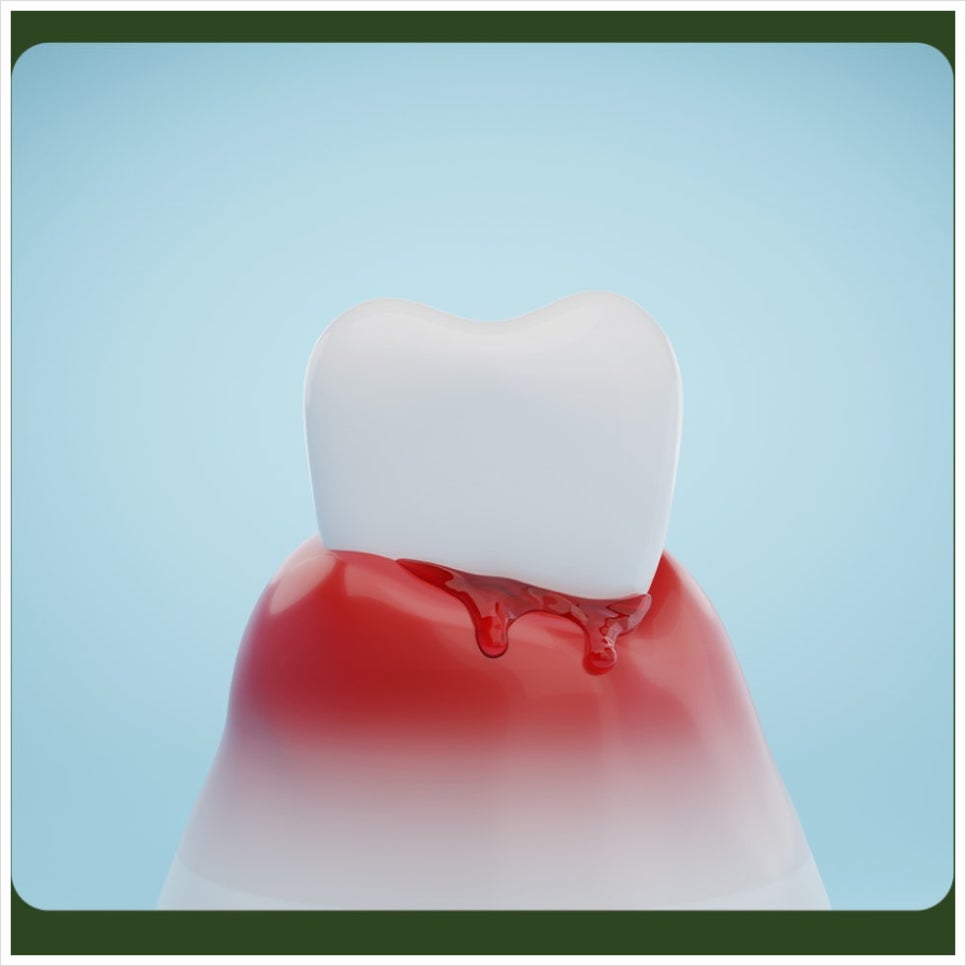
🩸 Bleeding When Using Dental Floss,
Is It a Sign to Stop?
If you see blood while flossing,
some people worry
and stop using it.
However, if bleeding occurs even though you did not apply strong force,
the cause is likely not the floss,
but inflammation that has already taken hold
inside the gums.
If food debris
and bacteria that were left between the teeth
are not properly removed,
the gums become swollen and sensitive.
When floss passes through and irritates the area,
blood can easily appear from the weakened tissue.
In other words, bleeding does not mean
that floss has damaged the gums;
it is closer to a warning sign that says,
“Care is needed here.”
If you use floss correctly,
there is no need to stop.
In fact, the more consistently you use it,
the more the inflammation will subside,
the gums will become firmer,
and bleeding will naturally decrease. 😊
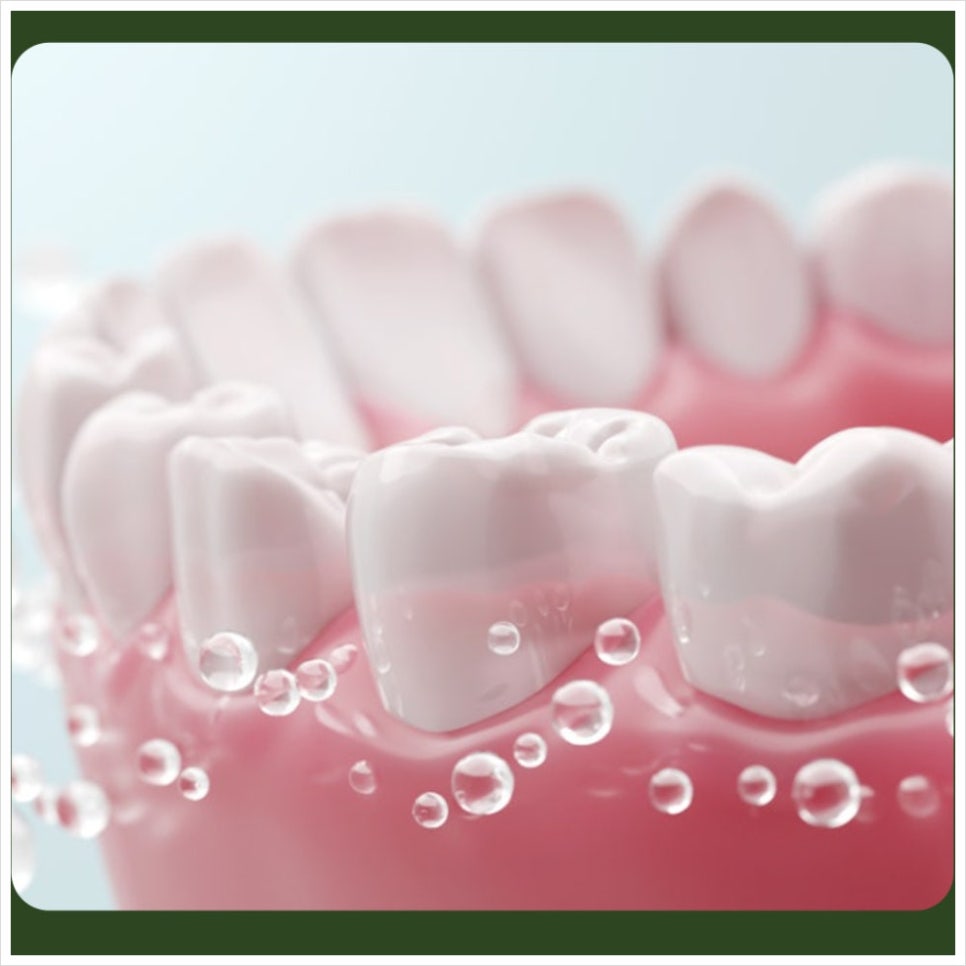
Bleeding When Using Dental Floss
To sum up,
there is no need to stop using floss immediately
just because your gums bleed.
However, there is an exception.
If you keep using floss
but the bleeding does not stop easily,
or if pain is accompanied by
noticeable swelling of the gums,
what then?
You should visit a dental clinic
and have the condition checked.
For good oral hygiene,
please keep using floss correctly and
receive regular checkups and scaling
consistently!
Seoul Obeu Dental Hospital
4th and 5th Floors, 196 Baekjegobun-ro, Songpa-gu, Seoul