When you become pregnant,
various changes occur throughout the body.
These changes affect not only the visible parts of the body
but also have a direct impact on oral health.
During pregnancy, the secretion of hormones such as estrogen and progesterone increases rapidly,
and the periodontal ligaments that support the teeth
may temporarily loosen.
As a result, some people may feel as if their teeth are
looser than usual.
In addition, as blood volume and blood flow increase
and blood pressure changes,
the gums can swell more easily,
and even minor irritation
can make bleeding more likely.
So during pregnancy,
more careful oral care than before
is needed!
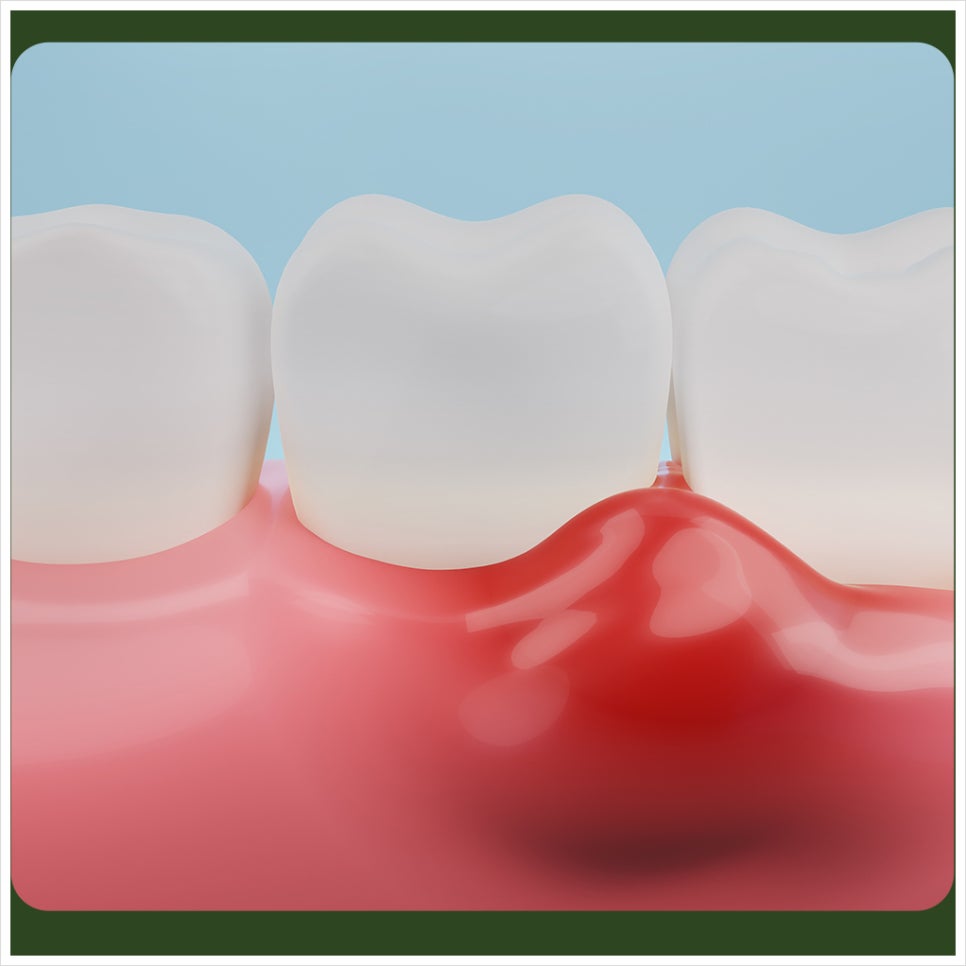
🦠 What is pregnancy gingivitis?
During pregnancy, the environment inside the mouth changes,
making it easier for bacteria to grow.
The resulting inflammation of the gums
is called pregnancy gingivitis.
When pregnancy gingivitis occurs,
the gums may become red and swollen,
darker in color,
bleed easily when brushing or eating,
and become more sensitive.
However, because the pain is not severe,
many people leave it untreated,
and that can actually make the problem worse.
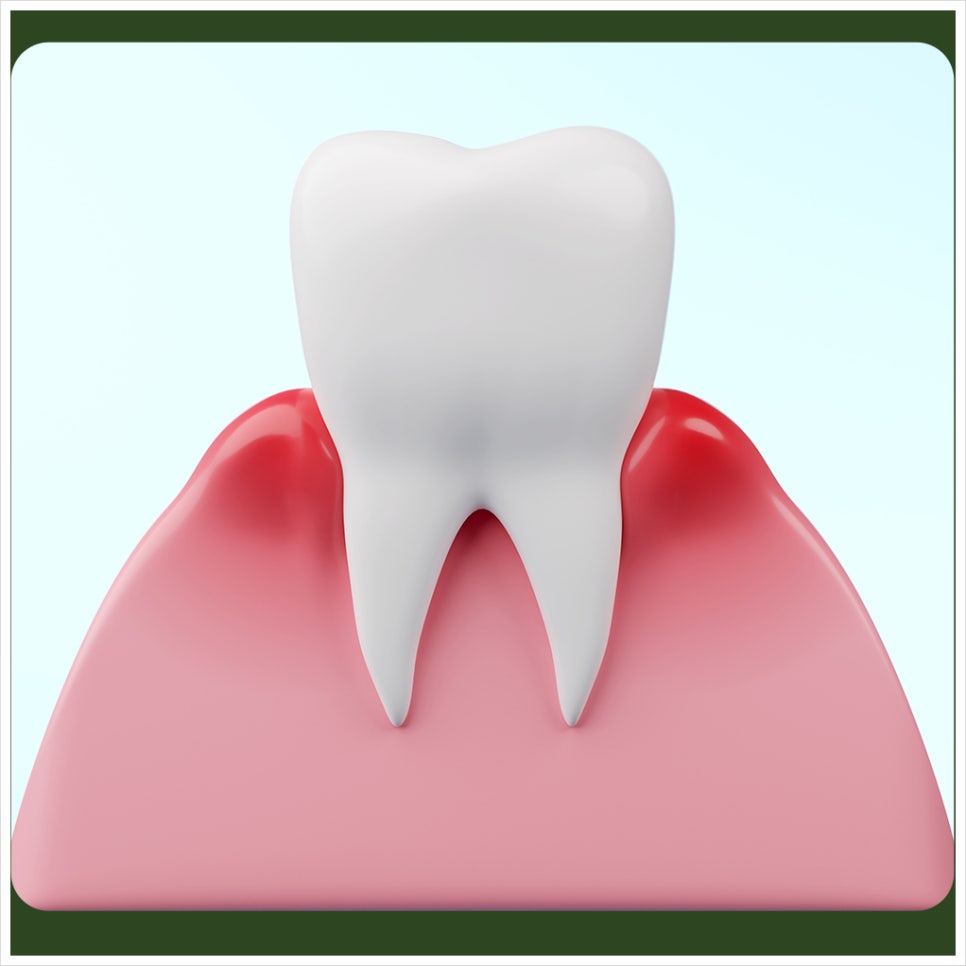
⚠ If left untreated, it can progress to periodontal disease..!
If pregnancy gingivitis is not properly managed,
the inflammation can deepen
and worsen into periodontal disease.
If periodontal disease progresses,
gums may bleed more often,
pus may form,
and the bone supporting the teeth may be damaged,
which in severe cases can cause teeth to become loose
or require extraction.
Furthermore, the bacteria that cause periodontal disease
can spread throughout the body through the bloodstream,
and during this process, it is not possible to rule out
the possibility of an effect on the placenta.
Some studies have reported that these bacteria may be associated with
an increased risk of preterm birth and low birth weight,
so oral care during pregnancy is very important
not only for the mother but also for the fetus.
🦷 Oral care during pregnancy,
please keep these points in mind!
In early pregnancy,
morning sickness can make brushing your teeth difficult,
and it is especially easy to neglect care for the molars
and the teeth farther inside the mouth.
Please pay a little more attention to care!
✔ After vomiting, do not brush right away.
Because stomach acid can erode your teeth,
rinse thoroughly with water or mouthwash first,
then brush after 20–30 minutes.
✔ Use a soft toothbrush
Because the gums are weakened by hormonal changes,
rather than brushing too forcefully,
brush carefully with a soft toothbrush.
✔ Use dental floss and interdental brushes as well
If food remains between teeth,
where the toothbrush cannot reach,
inflammation can develop more easily,
so if possible, it is best to use auxiliary oral care products together.

Pregnancy gingivitis is a common symptom,
experienced by about 1 in 3 pregnant women.
However, because of the vague idea that “dental treatment is not allowed during pregnancy,”
many people endure pain or discomfort and let it pass.
In fact, the second trimester, from months 4 to 7 of pregnancy,
is a relatively stable period,
and dental treatment is possible.
So if gum pain, bleeding, or discomfort continues,
rather than enduring it alone, we recommend visiting a dental clinic
and receiving treatment.
Pregnancy is a time when both body and mind
become more sensitive, so it is true that
it is not easy to take care of oral health as well.
But small differences in care
can affect not only gum health
but also overall health.
Within a comfortable range,
please pay just a little more attention than usual
and protect your healthy gums and teeth 😊
Seoul of Dental Hospital
4th and 5th Floors, 196 Baekjegobun-ro, Songpa-gu, Seoul