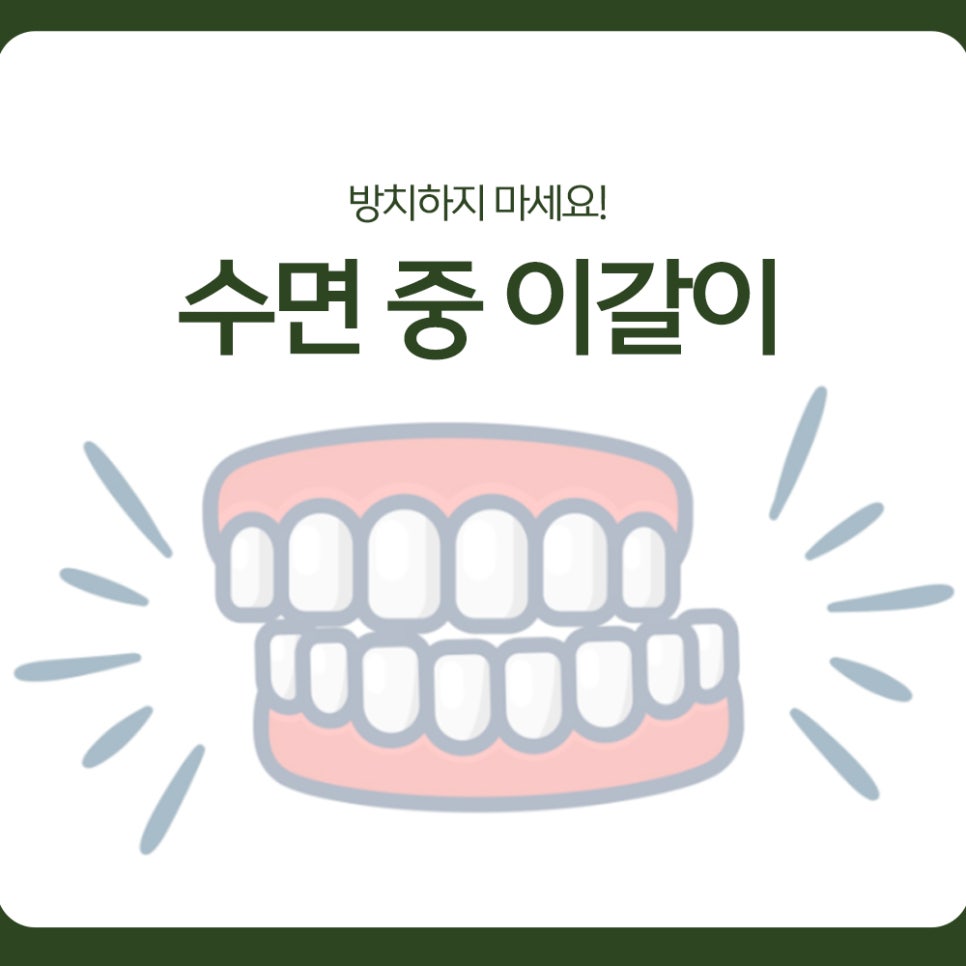
The habit of unconsciously
clenching or grinding your teeth while asleep!
More people than you might think experience this.
However, most people
find it difficult to notice on their own,
so they often learn about it from someone saying, “You grind your teeth in your sleep,”
or when they wake up in the morning
with a stiff, tired feeling in their jaw.
Bruxism is not just a problem
of making noise,
and it often causes various issues.
As strong force continues to be applied to the teeth,
the teeth gradually wear down,
and in severe cases, tiny cracks can even form.
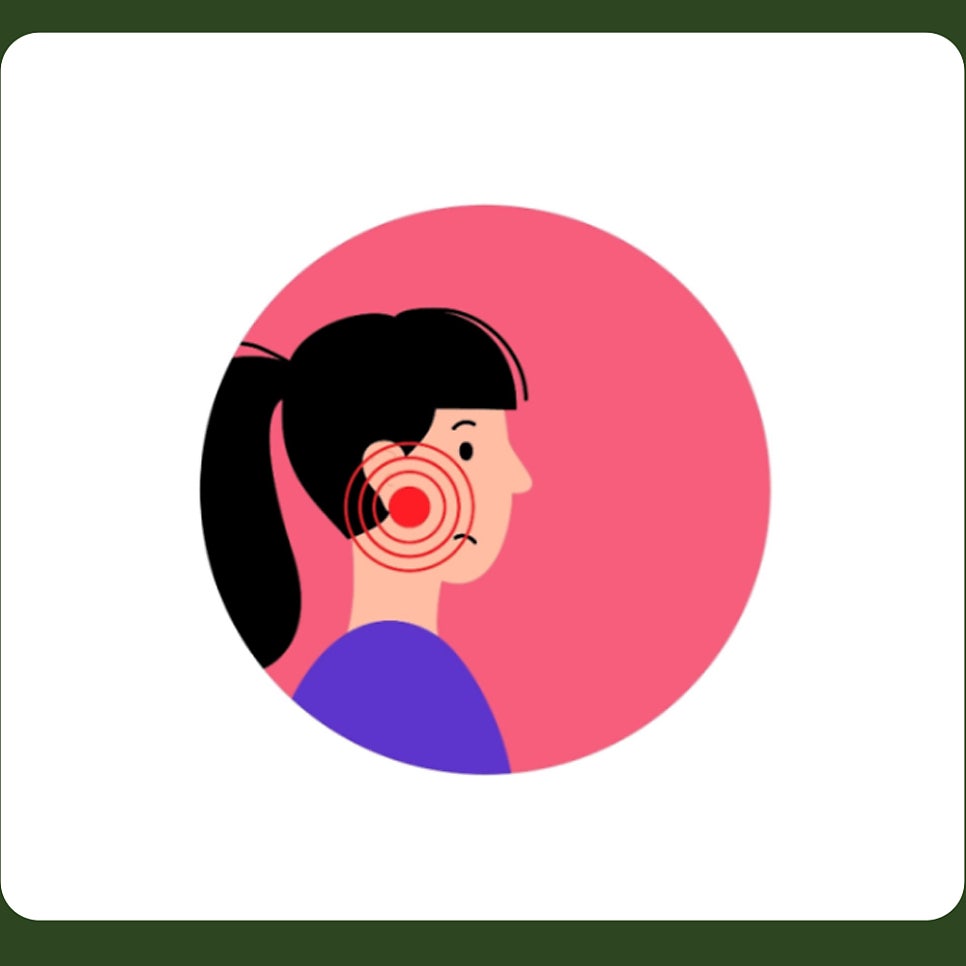
In addition, as strain builds up in the temporomandibular joint,
pain or discomfort can develop,
so rather than brushing it off,
it is better to check it at least once.
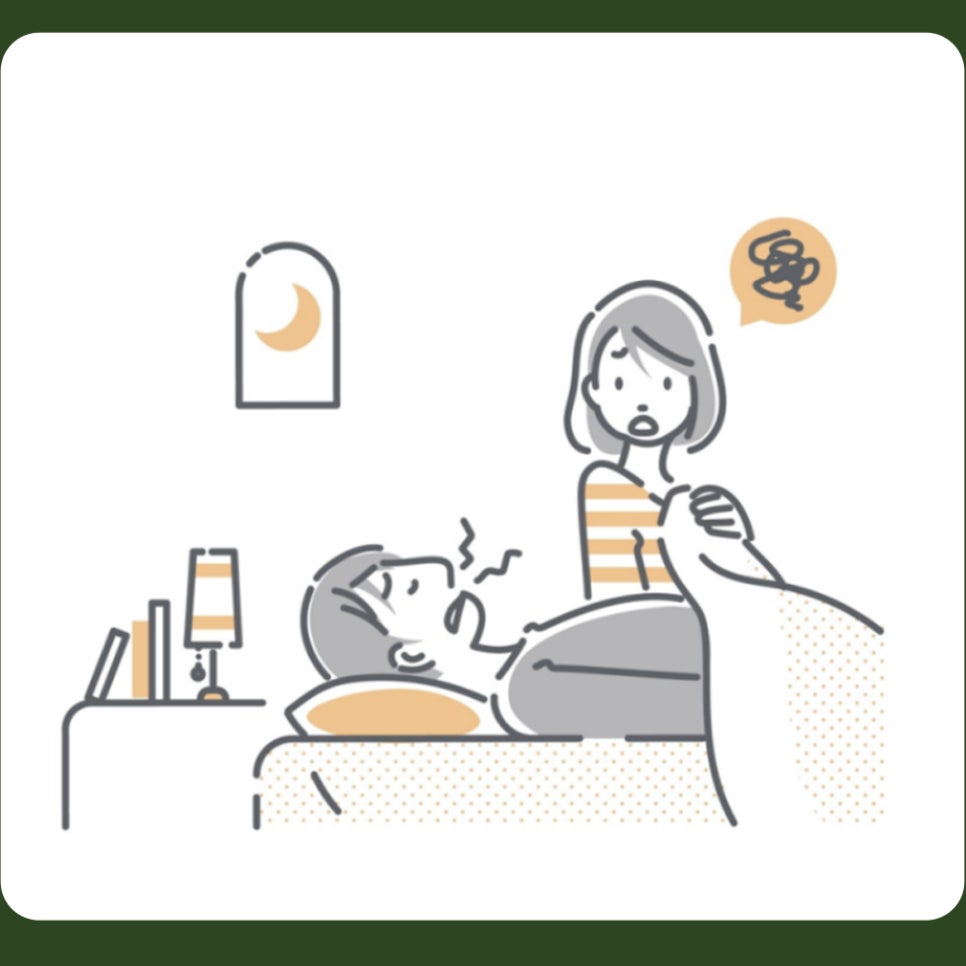
Sleep bruxism
Why does it happen?
Bruxism is often not caused by just one reason,
but by several factors working together.
On days when stress or tension is high,
many people say they grind their teeth more than usual.
If the bite is not well aligned,
the force may concentrate on certain areas,
which can also lead to bruxism symptoms.
In addition, poor sleep quality,
or a lifestyle with high caffeine intake,
can also have an effect.
If left untreated,
the situation gets worse!
At first, it may not feel very uncomfortable,
but over time
it can lead to a variety of symptoms.
First, as the teeth wear down,
a sensitive or sore feeling may develop,
and you may react more sensitively when eating cold water or hot foods.
Also, if strain accumulates in the temporomandibular joint,
it may feel uncomfortable when opening the mouth,
or you may hear clicking sounds.
Many people also wake up
with a stiff jaw or face in the morning,
and some even experience headaches as well.
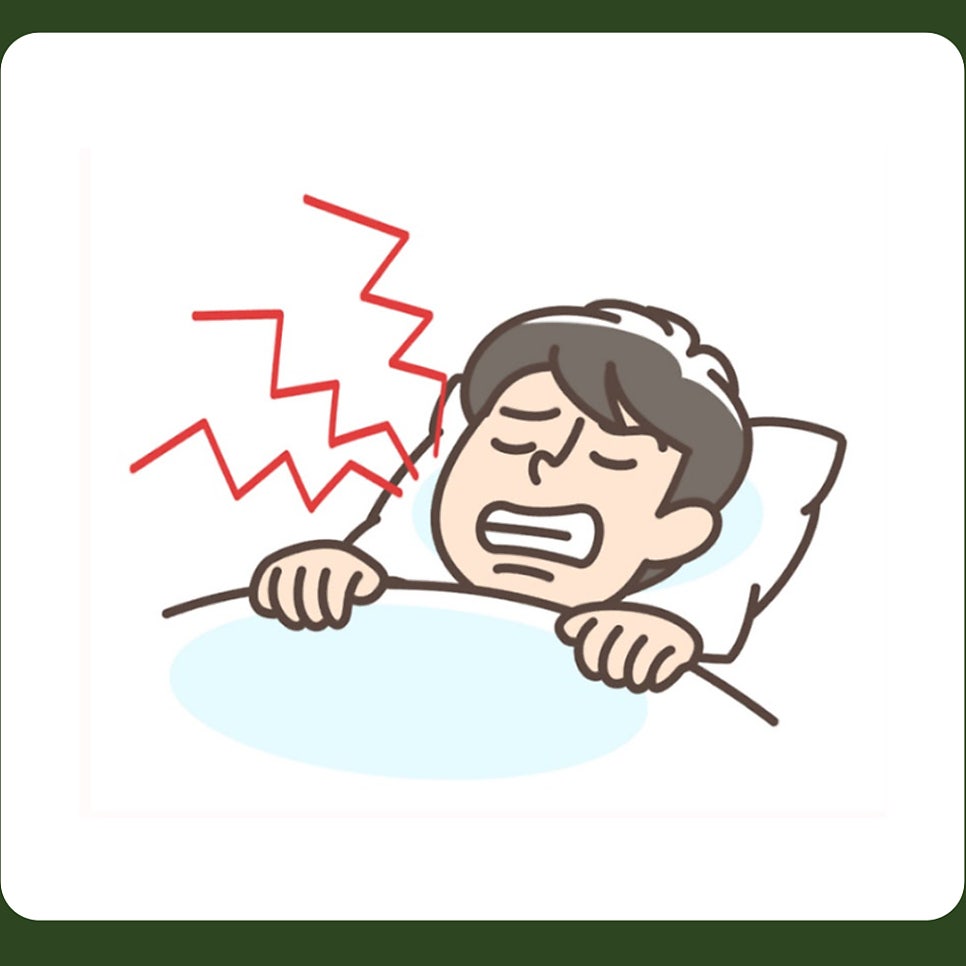
Then how
should it be managed?
Bruxism requires slightly different management methods
depending on the condition,
but the representative methods include the following.
The most commonly used is a
“mouthpiece (splint).”
When worn during sleep, it helps prevent the teeth from
directly hitting each other,
which can help reduce wear, and because it is made to match
the individual’s oral condition,
it can be used relatively comfortably.
Also, when the jaw muscles are highly developed,
Botox treatment to reduce muscle tension
may be used in combination,
and physical therapy may also be performed.
In addition, reducing stress
or improving the sleep environment
can be more helpful than you might think.

Sleep bruxism
We have explained sleep bruxism like this.
It is a symptom that is easy to leave untreated
because it may not feel seriously uncomfortable right away.
However, because it can lead to tooth damage
or temporomandibular joint problems over time,
managing it early is much easier.
If your jaw often feels stiff in the morning,
or you keep noticing that your teeth feel sensitive,
don’t leave it untreated
and be sure to get it checked! 💛
Seoul Ob Dental Hospital
4th and 5th floors, 196 Baekjegobun-ro, Songpa-gu, Seoul