“Even when you are just sitting still,
are you unconsciously clenching your teeth tightly?”
“Do you wake up in the morning with a stiff jaw,
or a heavy feeling around your temples?”
If even one of these questions applies to you,
it may already be a signal
from your jaw and teeth.
The habit of “clenching your teeth,”
which many people overlook,
may seem like a simple habit,
but it can affect overall oral health more than you might think.
In particular, if it continues for a long time,
it can place a burden not only on the teeth
but also on temporomandibular joint function,
so early management is important.
In this article,
we will take a step-by-step look at why
this habit of clenching your teeth develops,
and what changes may appear
if it is left untreated. 👀
What causes the habit
of clenching your teeth?
It is difficult to attribute the cause of
a tightly clenched-teeth habit to just one specific factor.
It often appears unconsciously
when daily stress or tension continues,
and its frequency may increase
when anxiety or fatigue builds up.
It may also develop when sleep quality is poor,
when you toss and turn frequently during sleep,
or when the balance of the muscles around the jaw changes
after an external impact.
Recently, there have also been many cases
where clenching symptoms appear along with
increased tension in the muscles around the jaw
due to long hours of smartphone or computer use.
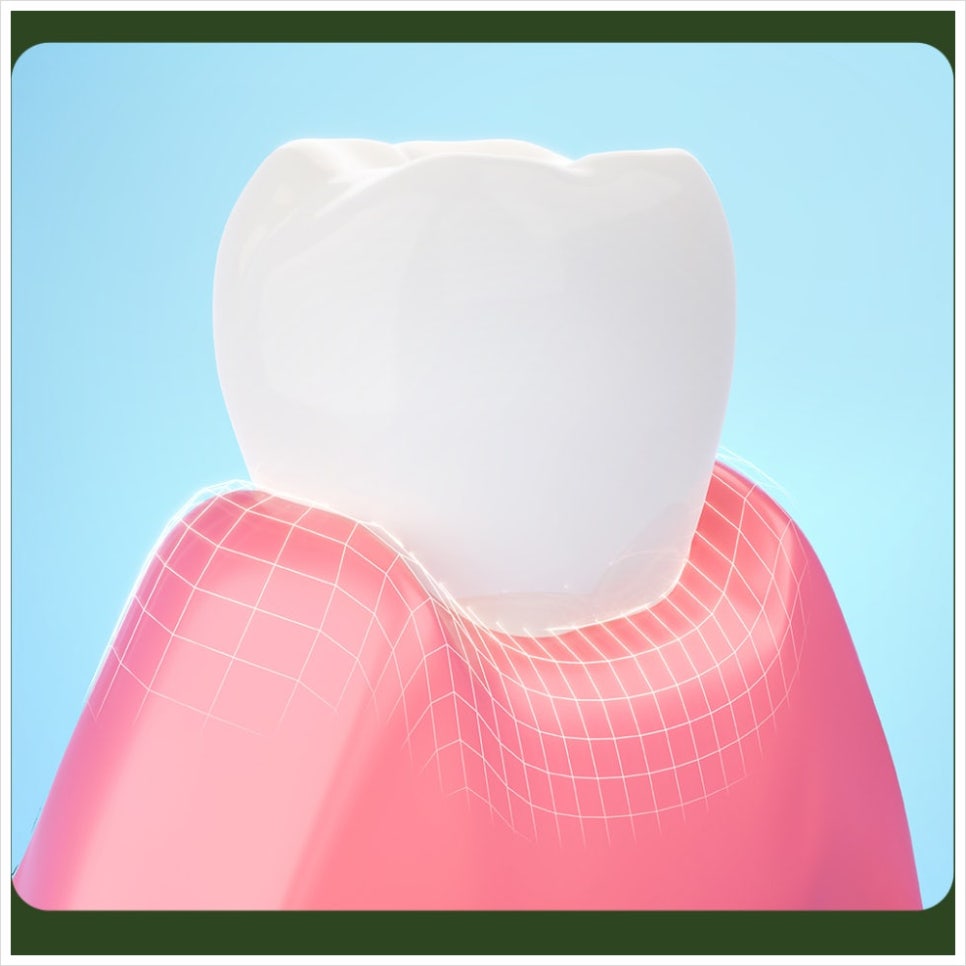
What changes appear in the teeth?
The surface of the teeth is protected
by a strong layer of enamel,
so it is easy to think they are not easily damaged.
However, when excessive pressure is repeatedly applied
rather than normal chewing,
these changes can occur in the tooth structure.
✔ Tiny cracks appear on the tooth surface
✔ Wear that gradually shortens the teeth
✔ Abrasion that hollows out the neck of the tooth
✔ Increased sensitivity when chewing
✔ In severe cases, part of the tooth may break
These changes may not be obvious at first,
but as time passes,
the symptoms can gradually become clearer.
In particular, if you become sensitive to cold foods
or feel discomfort when chewing,
it is necessary to visit a dental clinic
and get checked. 🦷
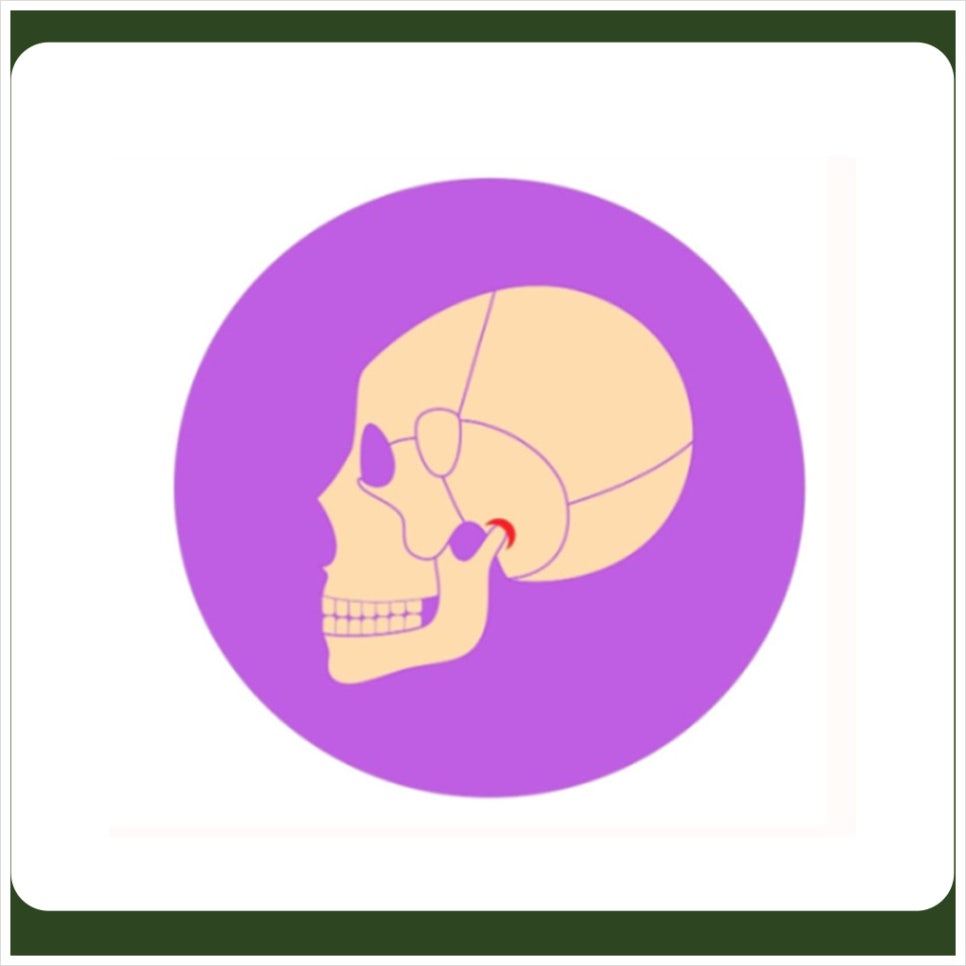
It also affects the temporomandibular joint!
The habit of clenching your teeth can affect
not only the teeth but also the temporomandibular joint.
For example, if you hear a “click” sound
when moving your jaw,
or feel pain when opening your mouth,
it may be a sign that stress is accumulating
in the joint.
If the symptoms progress,
the following changes may also appear.
✔ A feeling that it is hard to open the mouth wide
✔ Left-right imbalance in jaw movement
✔ Possible facial asymmetry changes
✔ Chronic headaches
✔ Increased muscle tension around the neck and shoulders
Temporomandibular joint problems often do not improve naturally
but rather progress slowly,
so early management is important.
To reduce the habit of clenching your teeth,
first of all, it is important to recognize your own condition.
Simply making a habit of checking whether you are
clenching your teeth when concentrating or feeling tense
can also help improvement.
In addition, light stretching to reduce stress,
getting enough rest,
and maintaining a regular sleep routine
can have a positive effect on easing tension
in the muscles around the jaw.
If you sit in the same position for long periods,
it also helps to relax the jaw and neck area
from time to time.
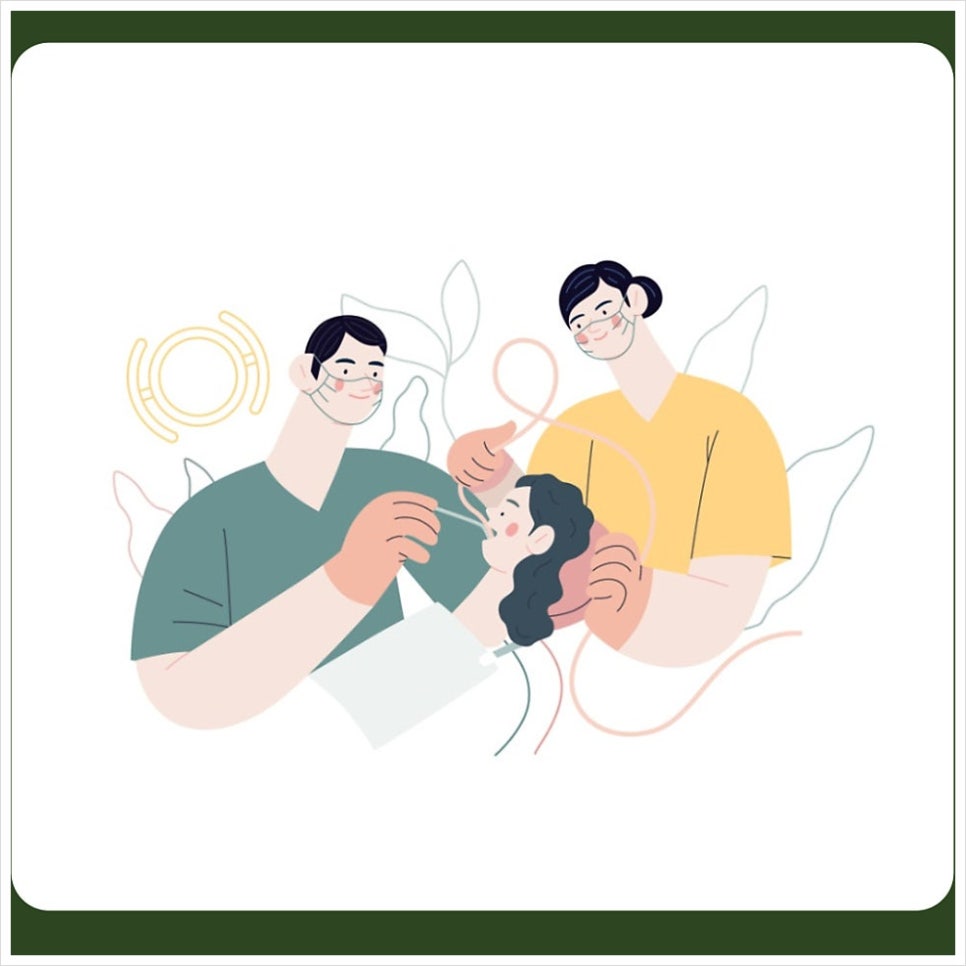
If symptoms continue or pain recurs,
you may also consider using a splint device.
Wearing a device made to fit your individual tooth structure
can help relieve tension in the jaw muscles
and reduce pressure on the teeth.
However, if you use an over-the-counter ready-made device on your own,
it may instead interfere with the balance of the temporomandibular joint,
so caution is needed.
This is how we have explained
about the habit of clenching your teeth.
Because clenching the teeth usually repeats unconsciously,
there are many cases where people do not realize they are doing it.
If your jaw feels stiff in the morning,
or you often get headaches for no clear reason,
please take a moment to check your lifestyle habits! 💚
서울오브치과병원
Seoul Of Dental Hospital
4th and 5th Floors, 196 Baekjegobun-ro, Songpa-gu, Seoul