Even if you brush your teeth every day,
it can still feel like food gets stuck between your teeth
or that your mouth does not feel refreshed.
The reason this happens even after brushing diligently
is that toothbrush bristles have difficulty reaching deep spaces between teeth,
so brushing may not be completely thorough.
In cases like this, if you use an "interdental brush,"
you can keep the spaces between your teeth
clean as well.
If you do not properly care for the spaces between your teeth,
it can lead not only to cavities
but also to gum inflammation,
so regular care is important.
How to use an interdental brush!
Let’s find out together with Seoul Ob Dental Hospital :)
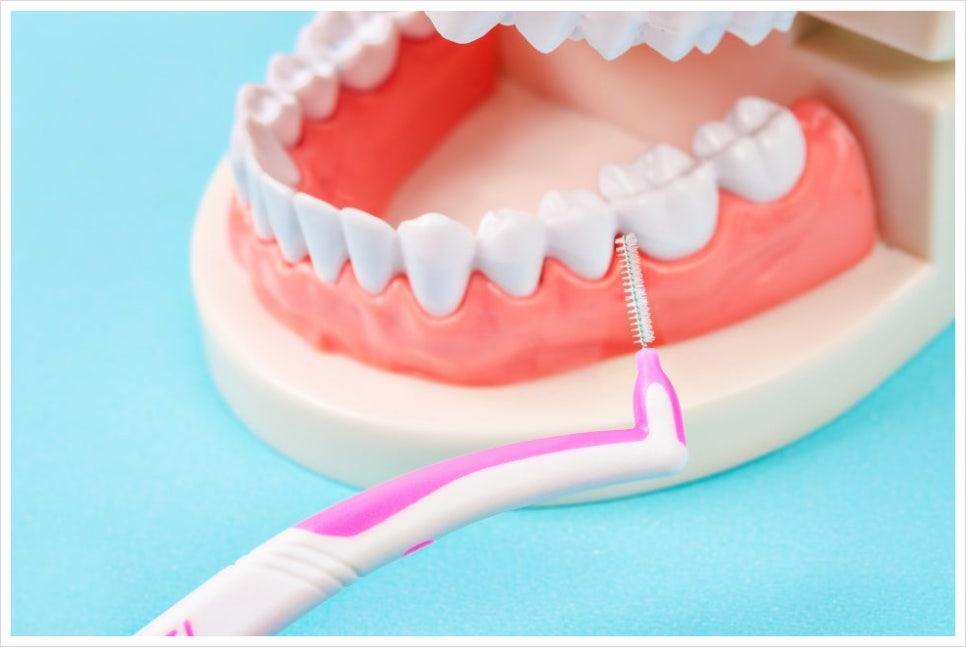
An interdental brush is a small brush-like tool
that is effective for removing
food debris and plaque
left between teeth.
In particular, if you use it while having implants, prosthetics,
or orthodontic appliances,
you can manage your oral care
even more effectively.
Meanwhile, if your gums bleed while using an interdental brush,
many people worry, “Is it okay to keep using it?”
However, unless the brush is forced in at a size that is too large
or used with excessive force,
in many cases the bleeding is due to existing gum inflammation.
So rather than avoiding it,
it is actually necessary to actively use an interdental brush
for clean oral care.
The method is not difficult.
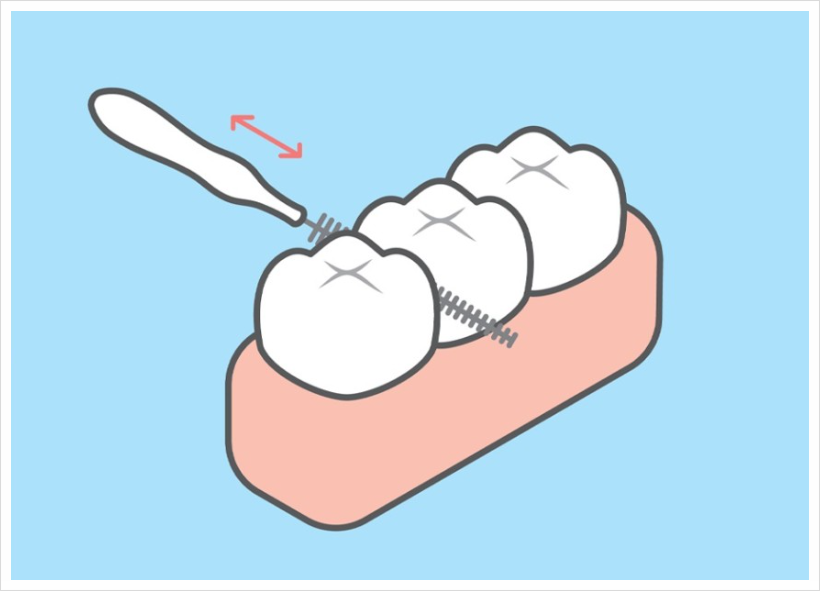
While looking in the mirror, slowly insert the interdental brush
between your teeth,
and gently move it back and forth
about 2 to 3 times.
At this time, rather than applying strong force
or pushing it in forcibly,
it is better to use it carefully
in line with the gum line.
After use, thoroughly remove any debris
under running water,
shake off the moisture, and store it in a well-ventilated place to dry,
so it can be used multiple times.
If used about once or twice a day,
it can typically be used for up to about a week.
However, more important than the length of use
is the condition of the interdental brush.
If the bristles are pressed down or splayed,
if the bristles are worn out,
or if the metal wire is bent,
do not use it any longer
and replace it with a new one.
In other words, when deciding when to replace an interdental brush,
it is important not to judge only by the number of days used,
but also to check the shape of the bristles,
whether it has been deformed, and its cleanliness.
In addition, when using an interdental brush,
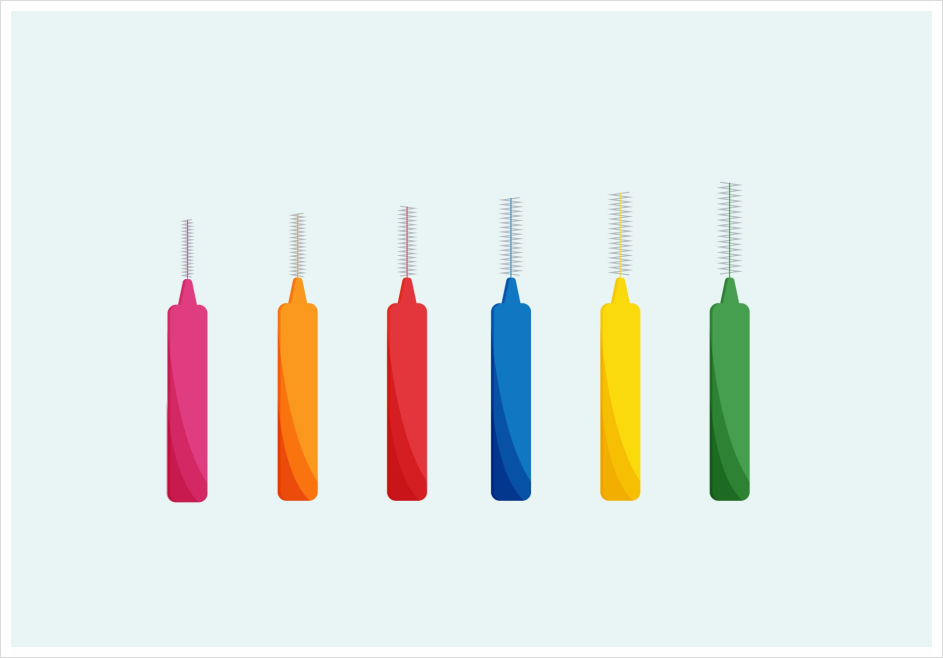
choosing the right size is also an important part.
If the size is too large and you force it in,
it can injure the gums,
and conversely, if the size is too small,
you may not feel that it cleans thoroughly.
The right size is one that slides gently between the teeth
while feeling a slight amount of resistance.
If you are using one for the first time,
it is also recommended to check the proper size
with a dental clinic.
However, if the spaces between your teeth are too narrow
and the interdental brush does not go in well,
it is more appropriate to use dental floss
rather than forcing it in.
So, we have introduced how to use an interdental brush.
It is good to use an interdental brush once a day,
especially after brushing before bed.
During sleep,
the secretion of saliva decreases, making it easier for bacteria to multiply,
so cleaning the spaces between your teeth thoroughly before bed
can be helpful.
Dental health is not maintained overnight;
it is protected as small habits build up over time.
If you consistently use an interdental brush together with brushing,
you will be able to care for the spaces between your teeth
more refreshingly and thoroughly!
Starting today, please invest just one minute before going to sleep
and build a cleaner, healthier oral care habit :)