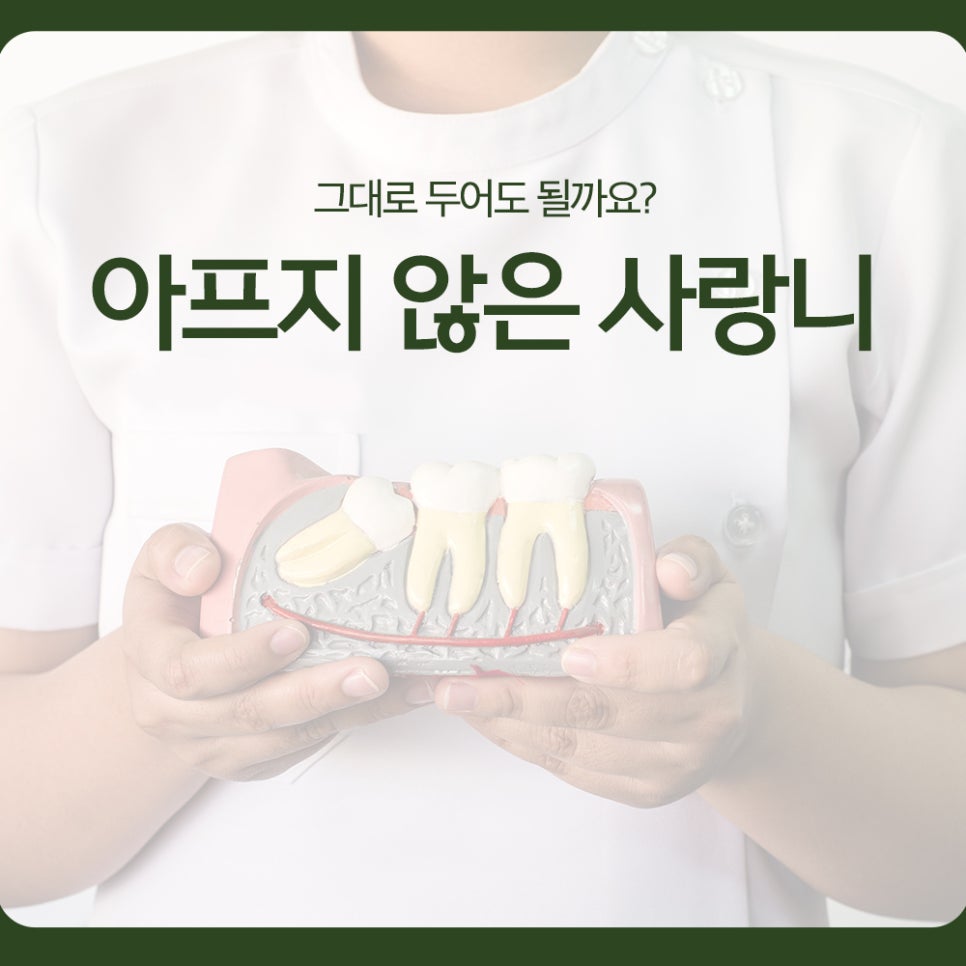
Wisdom teeth are usually the molars that come in last, between the late teens and early twenties, and they are located at the very back of the mouth.
In many cases, wisdom teeth are recommended for extraction because they can cause various problems in the mouth.
However, there are also cases where they do not hurt and are not particularly uncomfortable, so people often ask, “Do I really need to have it removed even in this case?”
Can a painless wisdom tooth be left alone?
Let’s take a look in today’s post!
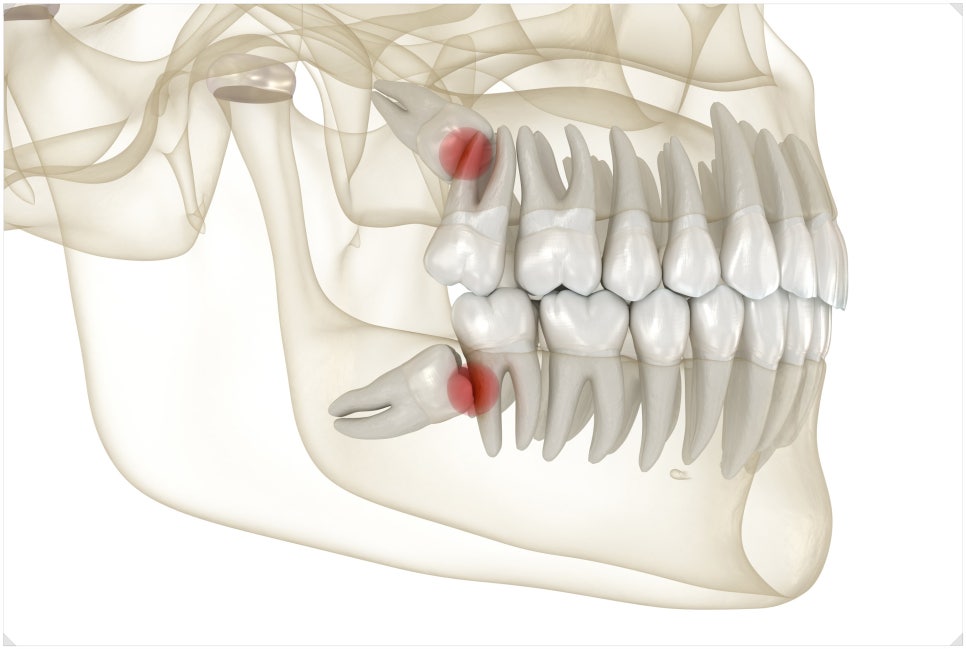
Even if a wisdom tooth does not cause major pain or discomfort, problems often develop later.
Because wisdom teeth are located at the very back of the mouth, they are often difficult to reach with a toothbrush, so food debris and bacteria can easily build up.
Over time, this can lead to cavities or gum inflammation.
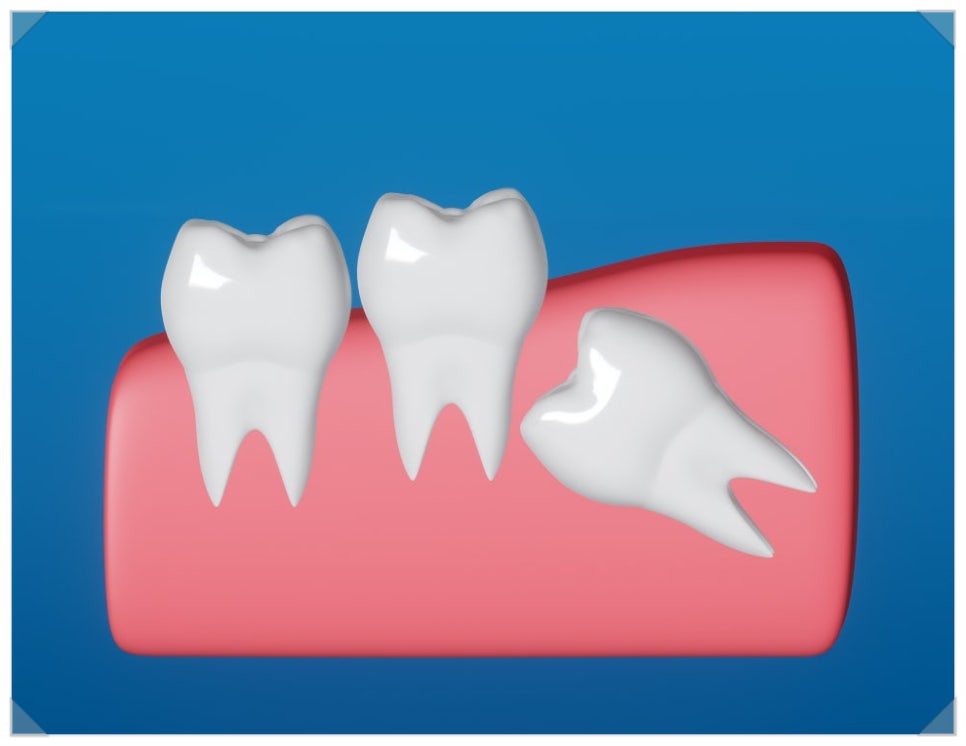
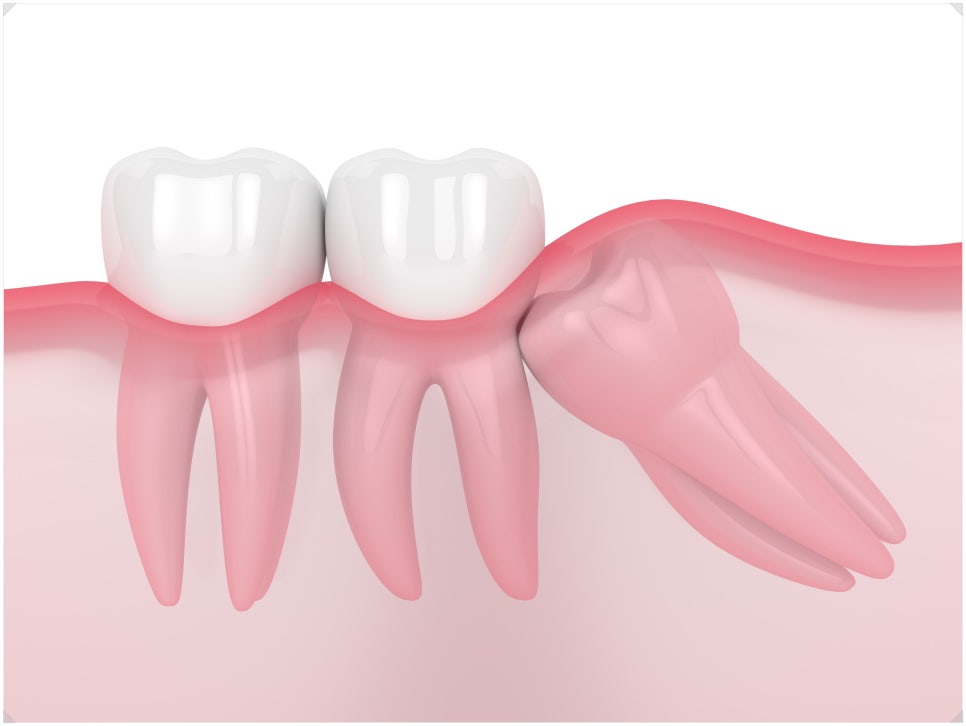
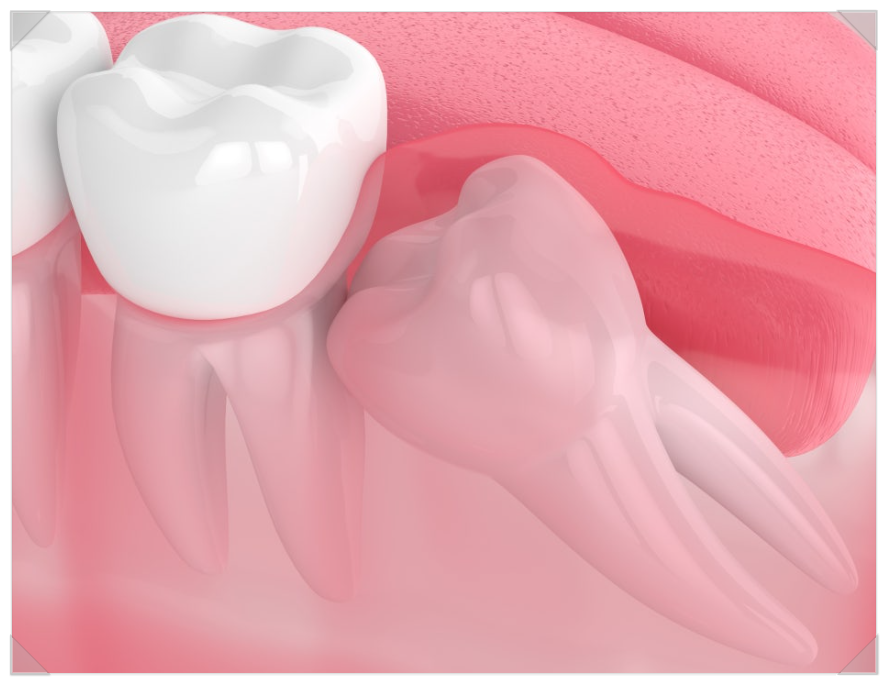
In addition, a wisdom tooth that grows in at an angle can push against the molars in front of it or cause cavities in the roots of the front teeth.
Therefore, simply leaving it alone because “it doesn’t hurt” is not advisable.
If a wisdom tooth is lying at an angle and pushing against the molar in front,
if there is decay between the wisdom tooth and the tooth in front,
or if food frequently gets stuck and it is difficult to care for,
extraction is often recommended even if there is no pain.
Painless wisdom tooth, painless wisdom tooth,
If you decide to proceed with extraction, the oral condition must be carefully assessed and the procedure carried out under precise analysis.
In particular, lower wisdom teeth can be close to the nerve canal,
so if necessary, a CT scan should be used to examine not only the tooth’s position and direction,
but also the distance from the nerve, the degree of impaction, and other factors in detail when making a treatment plan.
Of course, if a wisdom tooth does not hurt,
has erupted properly,
is well maintained through brushing,
and is not causing problems for nearby teeth or gums,
there is no need to extract it.
If it can be kept clean, it may even help with chewing,
so if proper hygiene is maintained,
you can keep using it as it is.
However, even if you choose to keep the wisdom tooth,
regular checkups and X-rays are recommended
to make sure no problems have developed in the wisdom tooth or the surrounding teeth.
In addition, if you decide to keep the wisdom tooth,
care is especially important.
Brush carefully so that the toothbrush reaches all the way to the very back,
and use oral care aids as well
for even cleaner maintenance.
A painless wisdom tooth!
We’ve introduced whether it can be left alone :)
A painless wisdom tooth does not necessarily have to be removed.
However, just because it does not hurt does not mean it should be left unattended!
Because the likelihood of future problems varies depending on the position and angle of the wisdom tooth,
after clearly confirming its current condition,
you should decide whether to extract it or observe it regularly.
The important standard is not
“Does it hurt or not?” but rather
“Can this wisdom tooth remain healthy in the future?”
If you have a wisdom tooth, even if there are no symptoms,
visit a dental clinic and check its condition through an X-ray and examination!