When the weather is hot or after drinking a cold beverage,
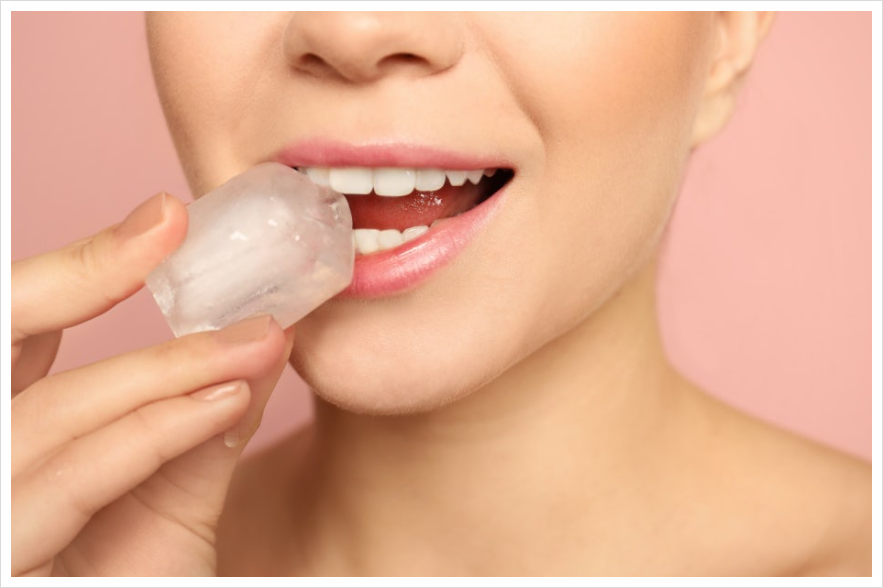
some people absentmindedly chew on the ice left in their cup.
Some people also have the habit
because of the cool feeling and crunchy texture
that come from breaking the ice.
However, ice is
very hard and very cold,
so if you repeatedly bite into it,
it can place more stress than expected
on your teeth and jaw joint.
Although teeth are hard tissue,
if strong pressure is applied repeatedly,
small damage can build up
and cause various problems.
Today, let’s look at how
the habit of crunching ice
can affect oral health!
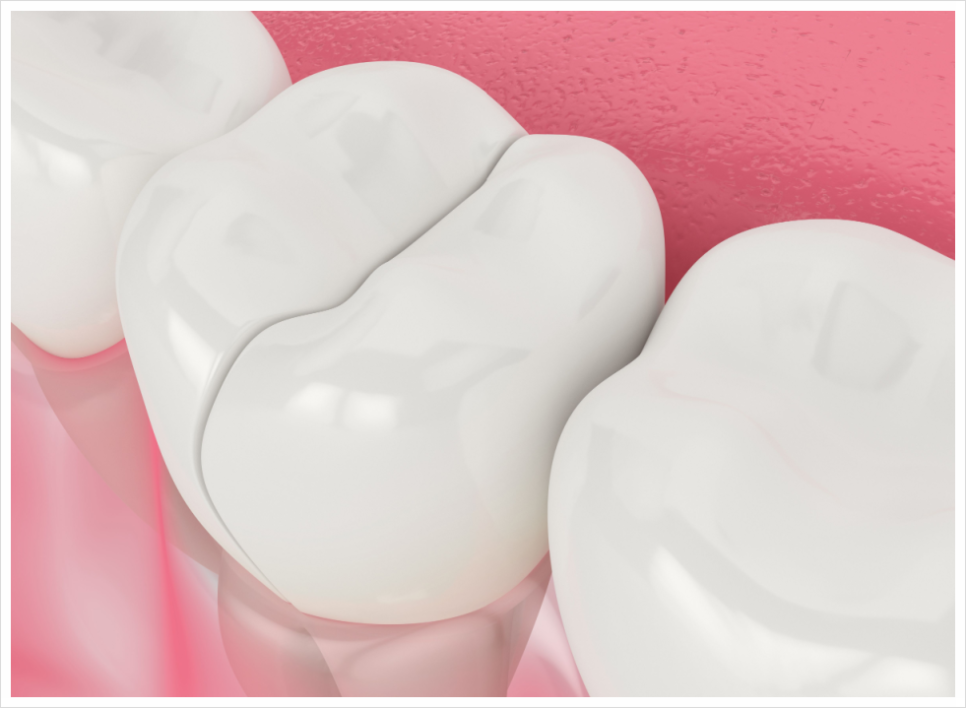
Tiny cracks can form
in the teeth!
When you bite ice,
strong pressure is transmitted to the teeth
all at once.
In particular, when you chew hard ice with molars,
where biting force is concentrated,
tiny cracks can form
on the tooth surface or inside the tooth.
At first, there may be no clear pain.
Sometimes you may only feel a sensitivity when drinking cold water,
or brief discomfort only when chewing on a certain side.
However, if the cracks continue to progress,
you may develop a sharp pain when chewing,
or problems may even reach the nerve inside the tooth.
In the worst case,
it may even become necessary
to extract the tooth,
so caution is needed.
Tooth sensitivity symptoms can
become more severe!
Ice is not only hard
but also extremely cold,
and when cold stimulation repeatedly contacts the teeth,
the teeth can react sensitively.
In particular, if the gums have receded and the root surface is exposed,
or if the tooth surface has worn down,
you may become even more sensitive to the cold stimulus from ice.
At first, you may only feel sensitivity when chewing ice,
but over time,
you may also feel discomfort with cold water,
cold foods, or even the water used when brushing your teeth.
The lifespan of existing prosthetics and fillings
can be shortened!
If you have had prosthetic treatment such as resin, inlays, or crowns
on your teeth,
you should be even more careful about the habit of chewing ice.
The treated area
functions by bonding with the natural tooth,
and repeatedly biting hard ice
can place stress on the bonded area.
As a result, part of the resin may come off,
a tiny gap may form between the inlay and the tooth,
or the crown may be damaged.
Even if there seems to be no problem on the surface,
if gaps form,
food debris or bacteria can enter those areas,
increasing the likelihood of secondary cavities.
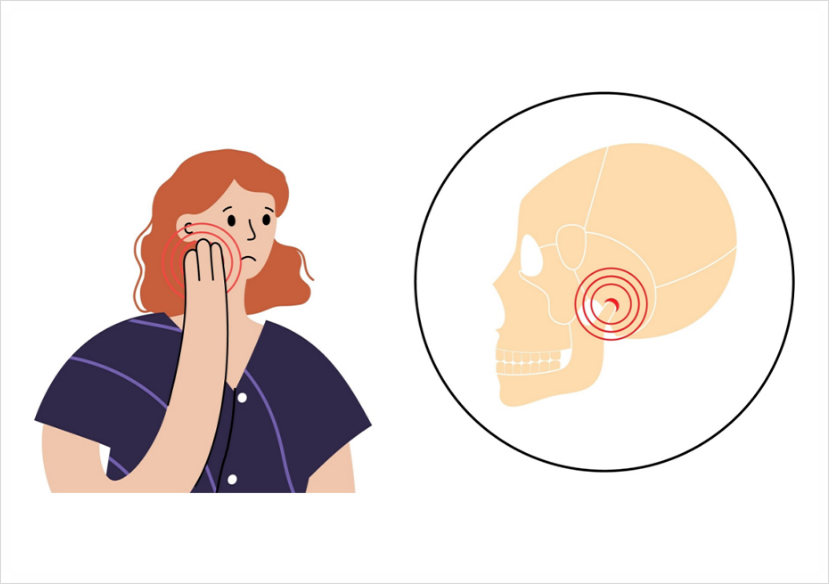
It can have a negative effect
on the jaw joint!
Biting ice once or twice
will not immediately cause a problem,
but if it is a daily habit,
the muscles around the jaw can become more fatigued.
In particular, people who tend to clench their teeth
or grind their teeth during sleep
are likely already accumulating stress
on the jaw joint and chewing muscles.
If you frequently chew hard substances like ice
in that condition,
you may feel a sore jaw,
discomfort when opening your mouth,
or pain around the jaw when chewing.
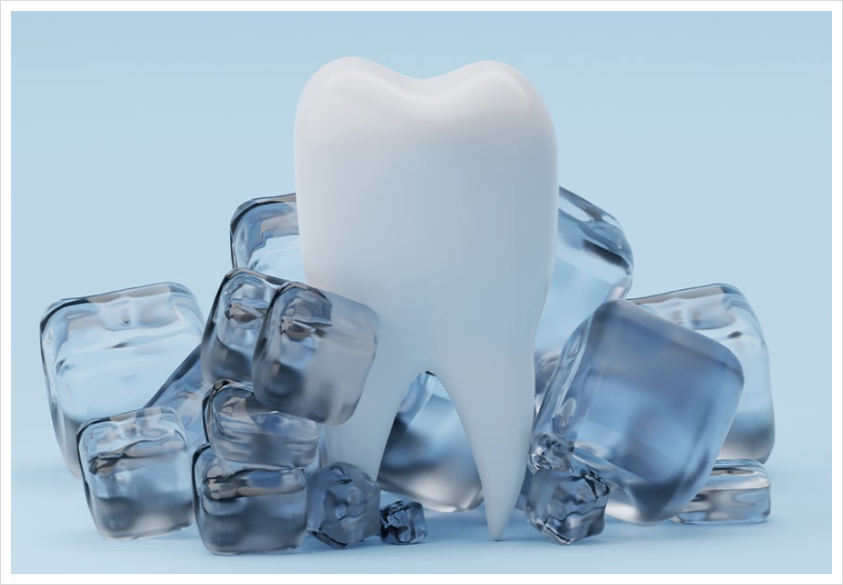
Although the habit of crunching ice
may seem minor,
it can lead to various problems,
so caution is needed.
If it is difficult to stop the habit of eating ice all at once,
it is better to first change to a method of slowly letting it melt in your mouth
without biting it.
Also, if your teeth feel sensitive or you feel pain when chewing,
don’t just brush it off;
it is necessary to identify the cause clearly
through a dental examination!
Just changing a small habit can help prevent tooth damage,
so please give it your attention! 🥰