Precautions after wisdom tooth extraction,
Please follow them carefully for a speedy recovery!
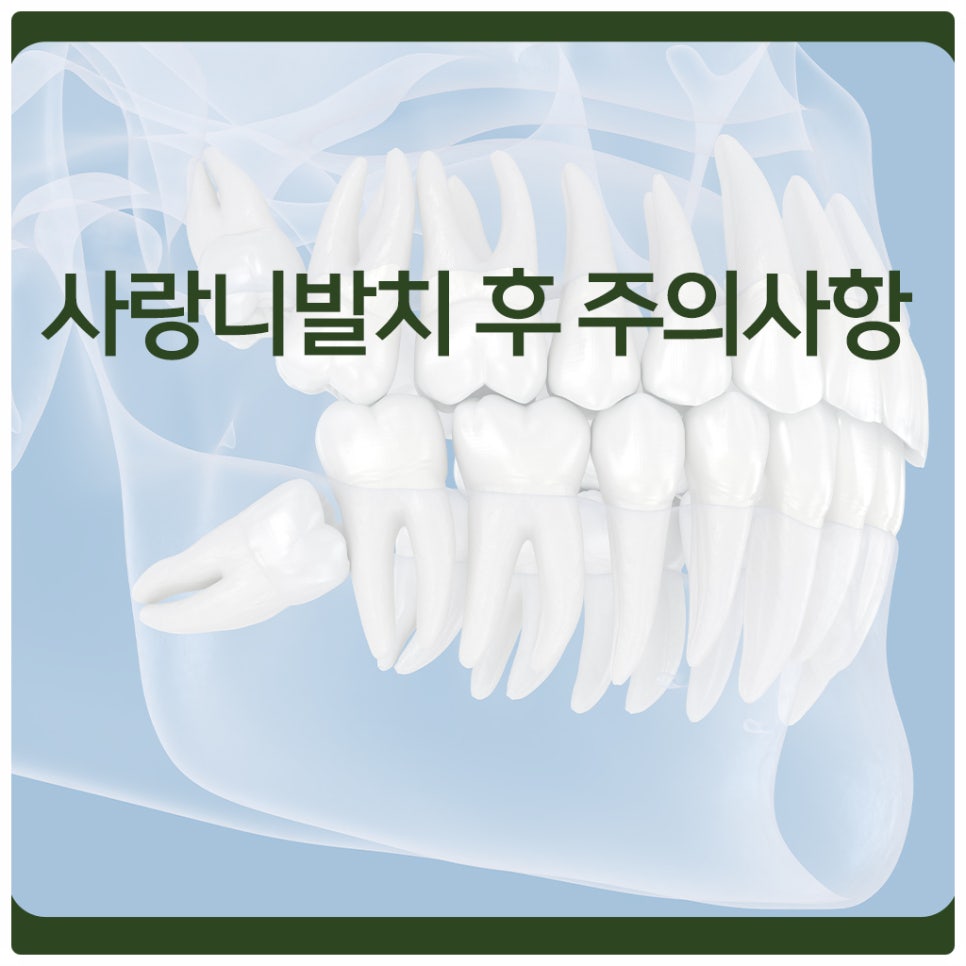
Wisdom teeth are the last teeth to grow
at the very back of the dental arch.
They commonly erupt from the late teenage years
through early adulthood,
and are also called third molars.
Because they emerge late,
after the other teeth have already settled into place,
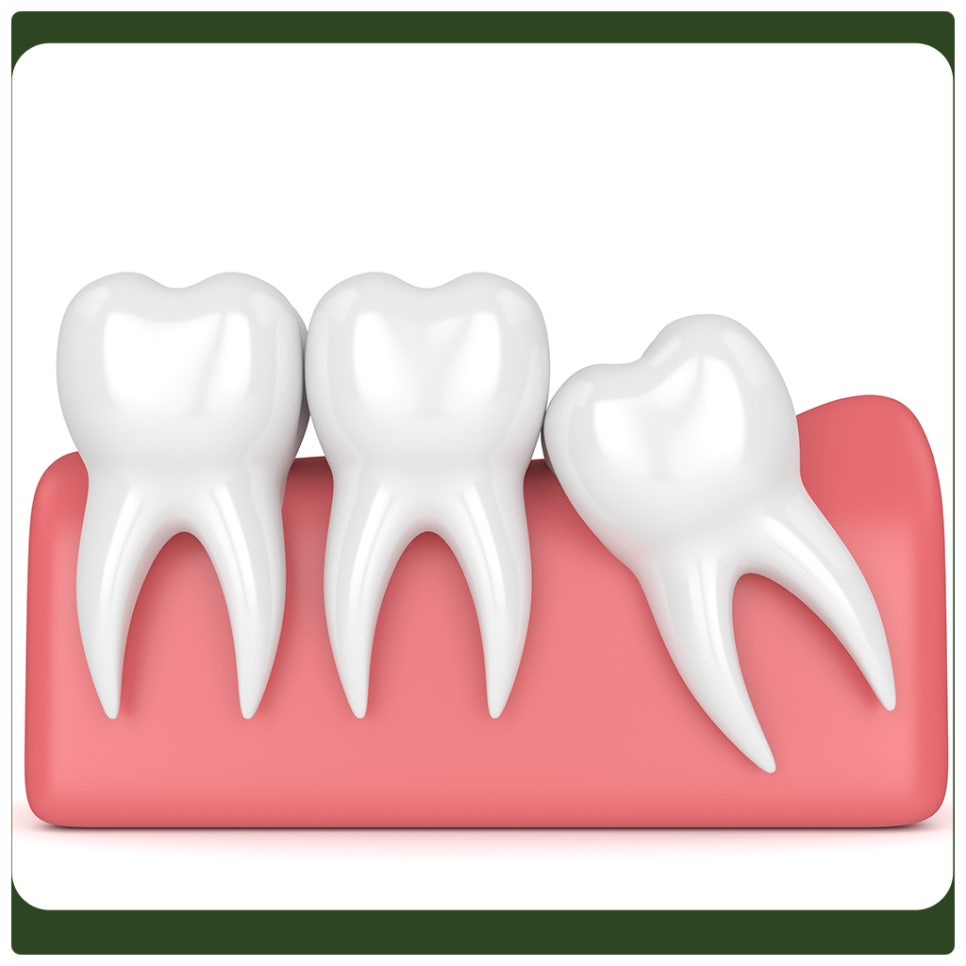
there is often not enough room
for a wisdom tooth to grow properly.
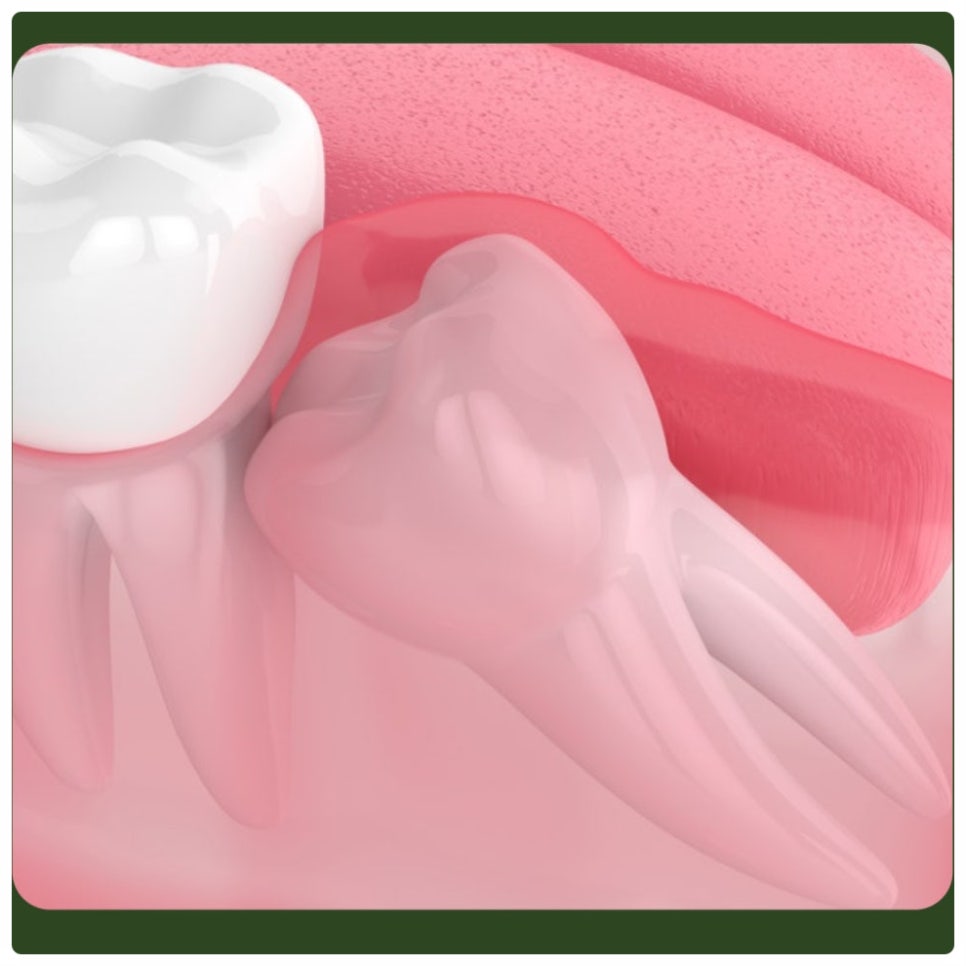
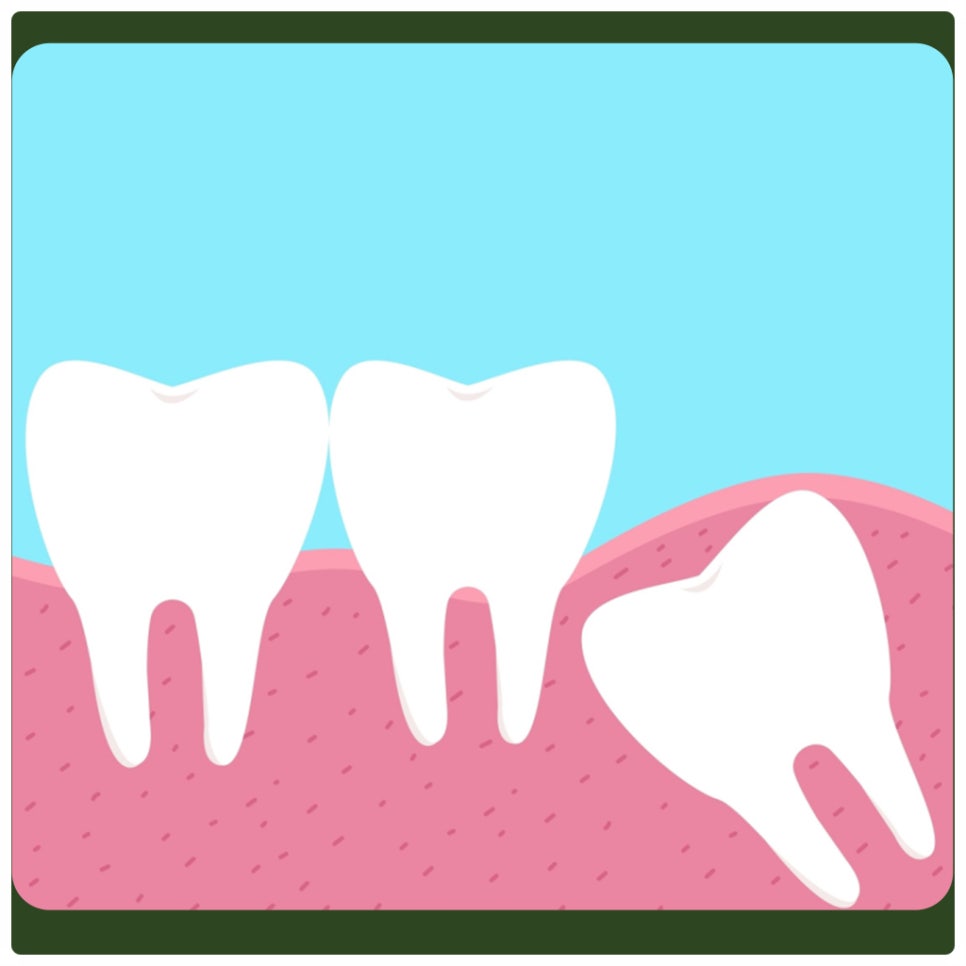
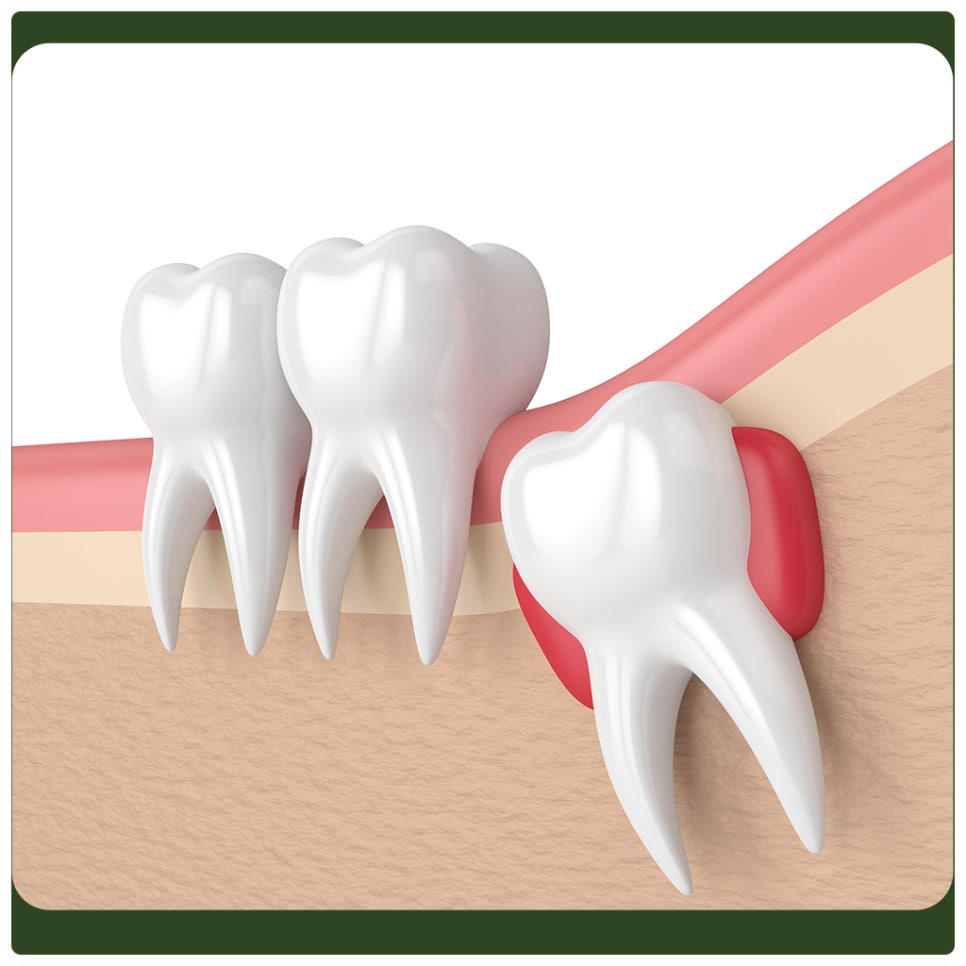
As a result, the tooth may become tilted
or may be partially or completely covered by the gums
and unable to erupt properly.
This can frequently cause food
to become repeatedly trapped around the wisdom tooth,
or lead to swollen gums and pain.
It may also negatively affect
the molars in front of it,
which is why extraction is often considered.
After a wisdom tooth is extracted,
not only the extraction itself
but also the subsequent healing process
is important.
To recover quickly,
please carefully follow the precautions
given by your dental clinic after wisdom tooth extraction!
Precautions after wisdom tooth extraction
Let's go over them together!
ㅇ Keep the gauze in place
for the amount of time you were instructed to.
Immediately after extraction,
the extraction site may bleed,
so you need to firmly bite down on
the gauze placed by the dental clinic
for a certain period of time to apply pressure.
It is generally kept in place for about two hours,
but the duration may vary depending on the amount of bleeding,
so it is best to follow your dental professional's instructions.
Talking while biting on the gauze
may prevent adequate pressure from being applied
and cause the bleeding to continue longer,
so caution is needed.
You should also avoid repeatedly spitting out
blood or saliva that collects in your mouth.
Spitting can create pressure in the mouth
and dislodge the blood clot protecting the wound,
so even if it is slightly uncomfortable,
it is better to swallow.
ㅇ Once the anesthesia has worn off,
it is best to start with soft foods.
After the extraction, some numbness may remain
around the lips, tongue, or gums.
If you eat right away in this condition,
you may bite the inside of your cheek or your tongue
and injure yourself.
Therefore, once sensation has returned to some extent,
we recommend slowly starting with lukewarm, soft foods.
Choose foods that require little chewing,
such as porridge, soup, steamed eggs, or tofu,
and, if possible, eat on the side opposite the extraction site.
Foods that are too hot, spicy, or salty,
as well as hard or chewy foods,
may irritate the wound,
so it is best to avoid them during the early stages.
Using a straw can create negative pressure in the mouth
and dislodge the blood clot,
so please refrain from using one for several days.
ㅇ If you have swelling,
apply a cold compress at first.
After wisdom tooth extraction,
swelling or soreness may occur
as the gums and surrounding tissues are irritated.
Applying a cold compress to the outside of your cheek
on the day of extraction and until about the following day
can help reduce swelling and discomfort.
Swelling may appear worse
on the second or third day than immediately after extraction,
and in many cases it gradually decreases afterward.
However, if the swelling continues to increase
or occurs along with warmth and severe pain,
please visit your dental clinic
for an examination.
ㅇ Please avoid alcohol, smoking,
and strenuous exercise.
Alcohol can increase blood circulation
and worsen bleeding or swelling,
while smoking not only creates pressure in the mouth
as you inhale,
but may also negatively affect
blood supply to the wound and the healing process.
Therefore, abstaining from alcohol and smoking
for at least about a week is recommended.
If the extraction was extensive or healing is slow,
it is best to avoid them for a longer period.
Activities that raise body temperature and blood pressure,
such as strenuous exercise, saunas, and hot rooms,
may also cause renewed bleeding,
so we recommend getting plenty of rest
during the first few days.
These have been the precautions
we wanted to share after wisdom tooth extraction.
For several days after the extraction,
you may experience mild pain or swelling
and discomfort when opening your mouth.
However, if the pain does not decrease over time,
or if you notice a strong odor or taste in your mouth,
pus, fever, altered sensation,
or persistent bleeding,
please contact your dental clinic
to have your condition checked!
In addition to the information provided today,
please carefully familiarize yourself with
the instructions given by your dental clinic
so that you can recover quickly! 🙏🏻