Morning sickness and cavities during pregnancy,
are they related?
After becoming pregnant,
there may be a period when you become unusually sensitive even to smells and tastes that normally would not bother you.
Especially when morning sickness begins,
not only eating meals
but even brushing your teeth as you usually do every day
may feel difficult.
As soon as they smell toothpaste,
some people feel nauseated, or when the toothbrush touches the back of the tongue,
they begin to gag and stop brushing their teeth midway.
Morning sickness and cavities are not directly related,
but they can be indirectly connected.
Changes in eating habits caused by morning sickness,
difficulty maintaining oral hygiene,
and exposure to acid from vomiting can overlap,
leaving the teeth in an environment where they may be more vulnerable to cavities..!
Today, we will take a step-by-step look at how morning sickness can affect the teeth,
and how to care for your mouth during pregnancy! 🤗

Morning sickness and cavities during pregnancy, morning sickness and cavities during pregnancy,
When morning sickness begins,
many aspects of the way you eat may change from usual.
Because it can be difficult to eat enough at one time,
you may eat small amounts of food frequently,
and to reduce the nausea you feel when your stomach is empty,
you may also reach for snacks or drinks more often.
However, frequently consuming foods containing sugar or carbohydrates
can increase the amount of time oral bacteria produce acid.
The habit of frequently consuming sour foods, carbonated drinks,
or sugar-containing beverages
can also increase the amount of time the tooth surface is exposed to acid.
In other words, morning sickness itself does not cause cavities;
rather, the changes in meal frequency and food choices caused by morning sickness
may contribute to creating an oral environment where cavities are more likely to develop.
During periods of severe morning sickness,
some people experience a gag reflex simply from putting a toothbrush deep into their mouth.
As a result, they may quickly brush only around the front teeth and finish,
while continuing to have days when they cannot properly clean the inner surfaces of the molars and the tooth surfaces near the tongue.
In particular, the chewing surfaces of molars have many small grooves and pits,
and the spaces between teeth are also difficult to clean thoroughly with toothbrush bristles alone.
If food particles and plaque remain in these areas for a long time,
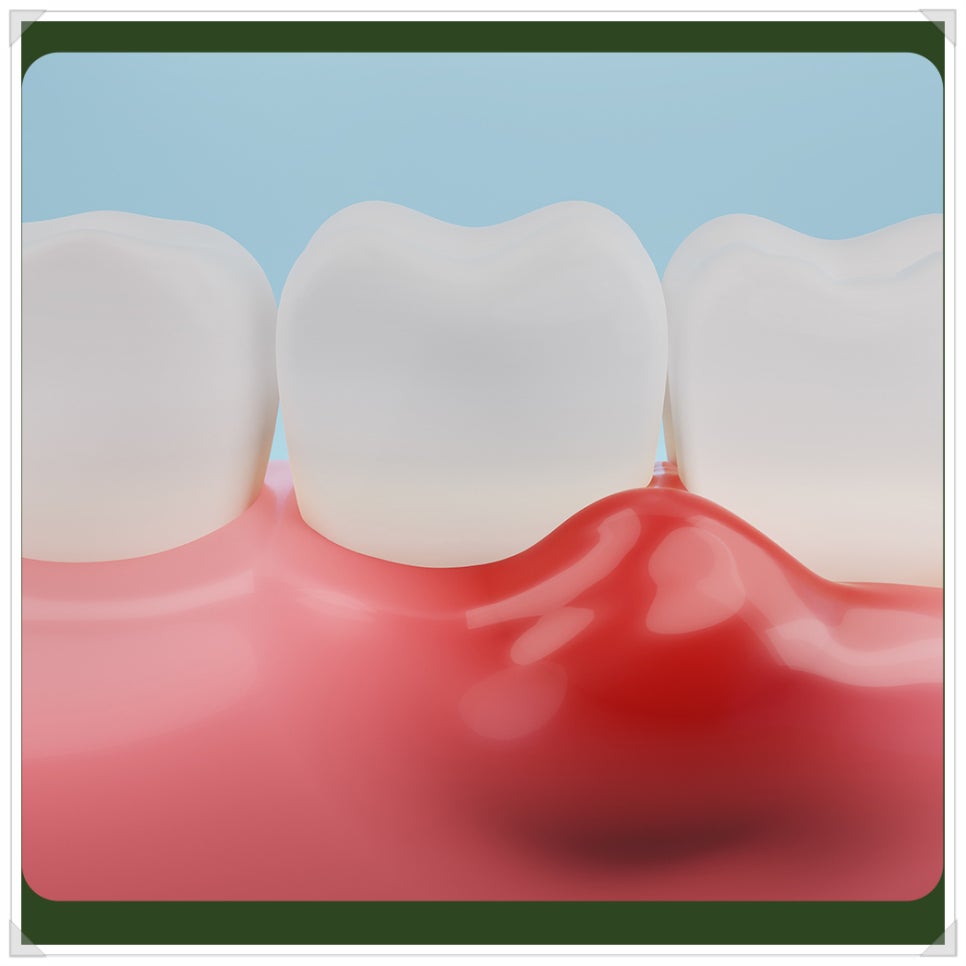
the likelihood of not only cavities but also swollen or bleeding gums may increase.
You can choose a time of day when you feel relatively well and brush your teeth slowly,
or, if it is difficult to clean everything at once,
consider dividing your oral care into separate sessions.
If your morning sickness is severe enough to cause vomiting,
you may want to brush your teeth immediately because your mouth feels coated and unpleasant.
However, immediately after vomiting,
stomach acid may come into contact with the teeth,
causing the oral environment to temporarily become acidic.
Brushing forcefully right away
may add unnecessary irritation to tooth surfaces affected by the acid.
First, rinse your mouth thoroughly with water
to wash away any remaining acidic substances,
and then brush gently after waiting a little while.
When brushing,
rather than scrubbing your teeth hard,
please use a soft-bristled toothbrush
to clean the boundary between your teeth and gums carefully.
In addition, even toothpaste that you used comfortably before pregnancy
may feel excessively strong in smell or taste
once morning sickness begins.
If mint flavor or foaming feels unpleasant,
trying a product with a relatively mild flavor and less irritation
is one possible option.
Choosing a toothbrush with a small head
may help reduce the sensation of it going deep into your mouth
when cleaning the inner sides of your molars.
Rather than tilting your head back while brushing,
lean slightly forward
and move the toothbrush slowly;
this may also help reduce the gag reflex. ^^
In addition, if you experience problems such as persistent tooth pain,
severely swollen gums,
or repeated bleeding,
you may find yourself wondering whether to visit a dentist.
The timing and scope of treatment can be determined by considering your current stage of pregnancy and physical condition,
as well as the types of examinations and procedures needed at the dental clinic.
If you have uncomfortable symptoms,
tell the medical staff that you are pregnant
and visit a dental clinic
to have your current condition checked!
It may be difficult, but please take a little extra care
to maintain a healthy oral environment. :) 💕