Minoxidil, finasteride, and dutasteride: early shedding
Although it is already widely known that “when you start applying minoxidil, your hair may fall out more at first (shedding),” DHT inhibitors such as finasteride and dutasteride can also show a similar effect in certain situations.
However, the frequency, degree, and mechanism are somewhat different from minoxidil.
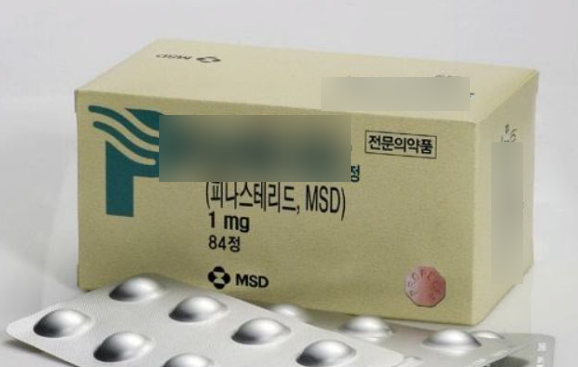
Source - EDaily
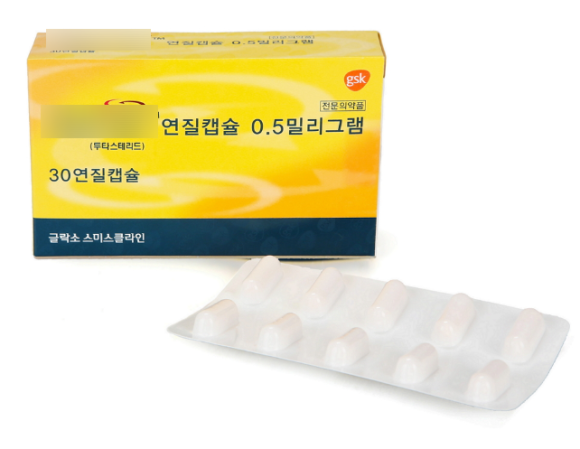
Source - PharmNews
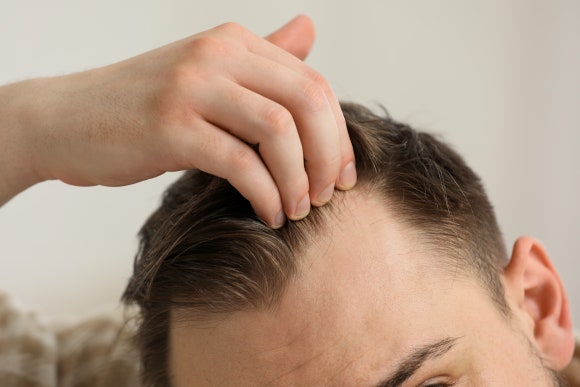
- The mechanism of action of minoxidil and shedding
Mechanism of action
-
Minoxidil promotes hair growth by improving blood flow to the scalp and directly stimulating hair follicles.
-
By causing hair to enter the growth phase (Anagen) more quickly, hair that was already weakened can be stimulated and may go through a process of “normal” shedding.
Shedding (hair loss)
-
This refers to a situation where existing hair is rapidly replaced due to external stimulation.
-
On average, it gradually settles down in about 2 to 8 weeks, and afterward new hair grows again, so in the long term it has a positive effect on promoting hair growth.
- The mechanism of action of finasteride and dutasteride
DHT inhibitors
-
Finasteride and dutasteride are representative 5-alpha reductase inhibitors.
-
By lowering the concentration of DHT (dihydrotestosterone), a powerful male hormone, they suppress the progression of hair loss that affects hair follicles.
-
Dutasteride inhibits both type 1 and type 2 5-alpha reductase, allowing it to lower DHT levels more substantially.
- Can finasteride and dutasteride also cause shedding?
It is possible, but the frequency is low
-
Because they do not act by stimulating hair follicles to induce a “rapid transition into the growth phase” like minoxidil, “early shedding” is relatively uncommon.
-
However, some patients may experience temporary shedding early on due to changes in the hair cycle.
This can be seen as the body sensing hormonal changes and adapting to the hair cycle.
Distinguishing “shedding” from ordinary hair loss
-
If hair falls out while taking finasteride or dutasteride, it cannot all be assumed to be “shedding.”
-
Hair naturally sheds on a regular cycle, and stress or other factors can also temporarily increase shedding.
- Early reactions that may be mistaken for side effects
-
When the hormonal environment changes, hair also needs an adaptation period.
-
Some people stop the medication after seeing only mild changes in hair early in treatment, but in fact, to maintain the effect, it should be taken consistently over the long term.
-
Conclusion and recommendations
-
Minoxidil: Because it stimulates hair follicles and quickly moves them into the growth phase,
early shedding occurs relatively commonly.
- Finasteride and dutasteride: Since they protect hair through a DHT-inhibiting mechanism,
a noticeable shedding effect like minoxidil is rare,
but temporary shedding due to hormonal changes can occur.
This generally stabilizes over time.
- Follow-up observation: Rather than judging based only on hair loss at a specific point in time,
it is important to continue treatment consistently and closely
observe changes in hair condition.

It’s time for hairhair now, this was Kim Jino.
Pilsaengsinmo (必生新毛).
References
• Roberts, J. L., & Marzani, B. (2019). Current understanding of the molecular mechanisms of androgenetic alopecia. International Journal of Molecular Sciences, link
• Trueb, R. M. (2002). Molecular mechanisms of androgenetic alopecia. Experimental Gerontology, 37(8-9), 981-990.
[This post is written directly by the director for the purpose of providing information in accordance with Article 56, Paragraph 1 of the Medical Service Act. Hair loss surgery and treatment may have side effects, and please make a careful decision through consultation with a specialist.]