The hormone most often mentioned to people 고민ing about male pattern hair loss is DHT (dihydrotestosterone).
When hair starts falling out, anyone begins to wonder, “Why is my hair suddenly getting thinner like this?”
Many studies report that DHT shrinks hair follicles, makes hair thinner, and
ultimately accelerates the process that leads to hair loss.
However, DHT is not simply a hormone that causes hair loss.
So how do hair loss medications regulate DHT, and what effects and side effects do they bring?
In this article, we will look at the effect of DHT on hair loss and summarize the mechanisms of action and side effects of medications that suppress it (finasteride, dutasteride, etc.).
We will also look at what role DHT plays in the body and what problems can arise if it is suppressed indiscriminately.
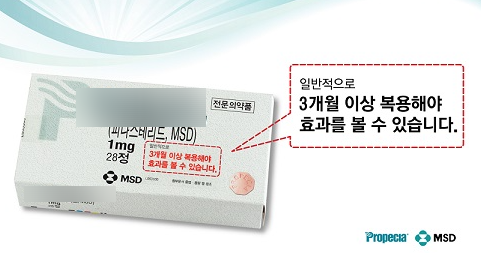
Source - Korea Health Information Center
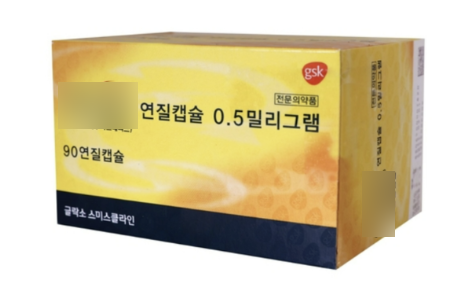
Source - MediConsumer News
What Is DHT and How It Affects Hair Loss
Definition and Biosynthesis of DHT
-
DHT (dihydrotestosterone) is a metabolite produced when testosterone is converted by 5α-reductase.
-
Some of the testosterone present in the blood is converted into DHT by binding with 5α-reductase in the skin, scalp, prostate tissue, and other areas.
-
DHT binds to androgen receptors much more strongly than testosterone, and it has a greater effect on specific body parts (the scalp, prostate, etc.).
The Relationship Between DHT and Hair Loss
-
When DHT binds to highly sensitive hair follicles, the follicles gradually shrink, the hair becomes thinner, the resting phase becomes longer, and shedding is triggered.
-
When combined with genetic factors (such as androgen receptor variants and differences in sensitivity), hair loss begins to progress in earnest.
Examples of DHT-Related Research
-
Hoffmann et al., Journal of Investigative Dermatology (2018): Reported that when comparing a male pattern hair loss (MPHL) group with a non-hair-loss group, DHT concentrations in scalp tissue were significantly higher in the hair-loss group.
-
Norwood, "Patterned Hair Loss" (1975): A classic study that presented the close relationship between male pattern hair loss and hormones (especially DHT) along with clinical classification.
Other Functions of DHT in the Body
The relationship between hair loss and DHT is well known, but DHT is also one of the major male hormones that acts in other parts of the body.
- Sexual Development
-
It plays an important role in the formation of male genitalia during fetal development. DHT promotes the development of the penis and scrotum, and a deficiency can cause problems with normal genital development.
-
During adolescence, it contributes to secondary sexual characteristics (body hair development, voice deepening, muscle growth, etc.). If DHT is insufficient at this stage, adequate masculine development may be difficult.
- Effects on the Prostate
-
DHT is closely related to the growth and function of prostate cells.
-
In older men, higher DHT levels have also been reported to be partly associated with an increased risk of benign prostatic hyperplasia (BPH) and prostate cancer.
-
Finasteride and dutasteride are also used clinically to treat enlarged prostate.
- Muscle and Metabolism
-
DHT and testosterone are necessary for maintaining muscle mass and bone density in men.
-
Although reports suggest that a lack of DHT may cause problems such as reduced energy levels or weakened muscle strength, the general consensus is that testosterone is the key factor in regulating overall muscle mass.
- Effects on the Central Nervous System
-
Some studies suggest that androgens, especially DHT, may indirectly affect male behavior and mood regulation.
-
This is not a fully established theory, but many papers continue to raise the possibility that sex hormones are involved in overall brain function.
- Problems When DHT Is Too Low
-
If DHT is significantly low during childhood or adolescence, underdevelopment of the male genitalia or delayed secondary sexual characteristics may occur.
-
If DHT decreases in adulthood, overall sexual function decline or certain metabolic abnormalities have been reported, but these are often temporary or mild.
-
DHT suppression for the purpose of treating benign prostatic hyperplasia or hair loss is done at an "appropriate level," and it is known not to cause serious problems within the normal range.
How Hair Loss Medications That Suppress DHT Work
5α-Reductase Inhibitors
Finasteride
o Selectively inhibits "type II" 5α-reductase.
o Prevents testosterone from being converted into DHT, lowering DHT levels and slowing the rate of follicle shrinkage to help prevent hair loss.
Dutasteride
o Inhibits both "type I" and "type II" 5α-reductase.
o Suppresses DHT production more broadly than finasteride, and some clinical studies have found it to be more effective at suppressing hair loss.
Pros and Cons of Drug Treatment
Advantages
-
Slows the progression of hair loss and may provide partial recovery.
-
Provides a protective effect on existing hair during hair transplant surgery (a synergistic effect).
Disadvantages
-
It takes 3–6 months or more for effects to appear.
-
Hormone-related side effects such as reduced sexual function and gynecomastia may occur, though rarely.
-
Response varies from person to person.
Recent Research and Combined Effects with Hair Transplantation
- Research on Long-Term Use
-
Hordinsky & Donati, Journal of the American Academy of Dermatology (2019): When finasteride was taken long term for more than 2 years, significant improvements in hair count and thickness were confirmed compared with the placebo group.
-
Ablon, Dermatologic Therapy (2020): The dutasteride 0.5 mg group showed greater improvement in hair thickness than the finasteride 1 mg group, but the sample size was small, so further research is needed.
- Combined Effects with Hair Transplantation
-
Even if hair that is less sensitive to androgens is transplanted during a hair transplant, the existing hair continues to be affected by DHT.
-
Taking finasteride or dutasteride before and after transplantation can help prevent some additional loss of the remaining hair, making the surgical result more even and more likely to be satisfactory.
Clinical Use and Precautions
- Timing and Dosage
-
In general, finasteride 1 mg and dutasteride 0.5 mg are recommended for the treatment of male pattern hair loss.
-
Many reports say there is no major difference depending on the time of day it is taken, but taking it at the same time every day is better for medication adherence.
- Monitoring Side Effects
-
Reduced sexual function: Reported in about 2–5%, and many cases improve after stopping the medication or after some time.
-
Hormonal imbalance: Gynecomastia (breast pain, breast enlargement) has been rarely reported with long-term use.
-
Kim et al., Journal of Korean Medical Science (2021): In a one-year follow-up study of 1,000 Korean men taking finasteride, about 5% reported sexual dysfunction. Most cases were confirmed to be temporary.
- Application to Female Hair Loss
-
Finasteride and dutasteride are not recommended for women who may become pregnant.
-
For female pattern hair loss, medications with other mechanisms, such as minoxidil, are generally the first option.
Conclusion and Summary
• DHT suppression is one of the most reliable methods for treating male pattern hair loss.
Finasteride and dutasteride prevent follicle shrinkage, slow the progression of hair loss, and may even allow some recovery.
• Because DHT is involved in various functions such as male genital development, prostate health, and muscle maintenance, the goal when using medication should be suppression at an "appropriate level."
• Because drug effectiveness and side effects can vary depending on individual genetic factors, scalp condition, and lifestyle, expert advice and ongoing monitoring are important.
• If you are considering hair transplant surgery, it is a good strategy to use hair loss medication before and after surgery to protect existing hair and improve the overall surgical result.
Therefore, it is ideal to accurately understand what stage of hair loss you are in and combine various treatment methods such as finasteride or dutasteride in a personalized way.
Understanding that DHT should not be dismissed simply as the "cause of hair loss" but as a hormone involved in many bodily functions, appropriate treatment and consistent management are important.
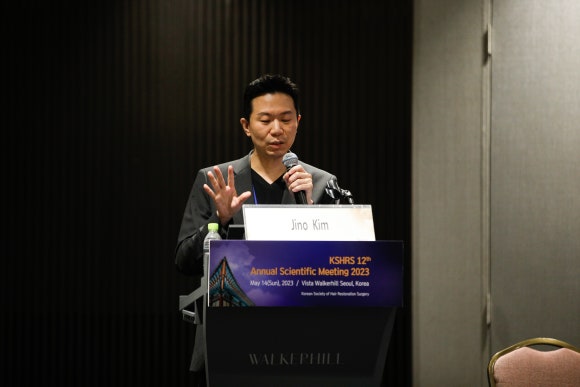
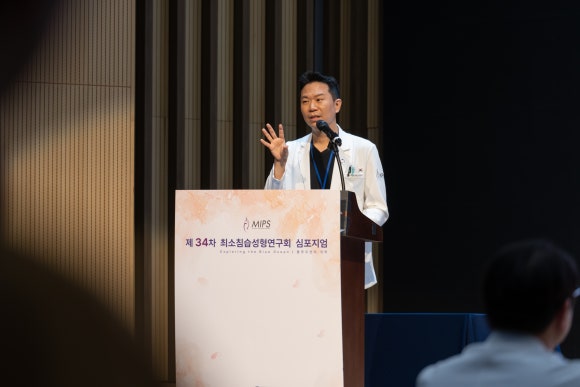
Now it is time for hairhair, Kim Jino.
Pilsaengshinmo (必生新毛).
References
-
Hoffmann R, Happle R. “Current understanding of androgenetic alopecia. Part II: Clinical aspects and treatment.” Journal of Investigative Dermatology. 2018.
-
Norwood OT. “Male pattern baldness: Classification and incidence.” South Medical Journal. 1975.
-
Hordinsky M, Donati A. “Quality of life, treatment outcomes, and recurrence patterns in patients with androgenetic alopecia.” Journal of the American Academy of Dermatology. 2019.
-
Ablon G. “A clinical comparison of finasteride and dutasteride in the treatment of androgenetic alopecia.” Dermatologic Therapy. 2020.
-
Kim DH, et al. “Long-term safety and efficacy of finasteride in Korean men with androgenetic alopecia.” Journal of Korean Medical Science. 2021.
-
Russell DW, Wilson JD. “Steroid 5α-reductase: two genes/two enzymes.” Annual Review of Biochemistry. 1994.
-
Azzouni F, Mohler J. “Role of 5α-reductase inhibitors in benign prostatic diseases.” Urology. 2012.
-
Rhoden EL, Morgentaler A. “Risks of testosterone-replacement therapy and recommendations for monitoring.” New England Journal of Medicine. 2004.
[This post is written directly by the clinic director for information-sharing purposes in accordance with Article 56, Paragraph 1 of the Medical Service Act. Hair transplant surgery and treatment may have side effects, and they should be carefully decided upon through consultation with a specialist.]