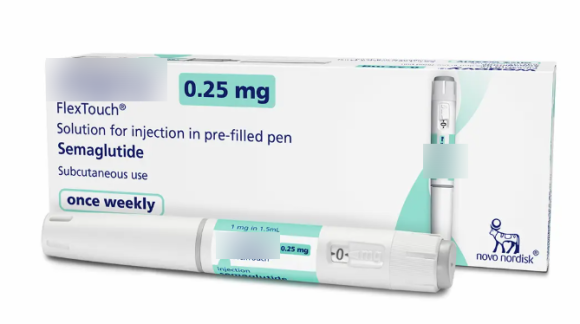
Source - Daily Byte

Source - Korean Medical Association News
In recent years, drugs in the GLP-1 (Glucagon-Like Peptide-1) receptor agonist class, which help with weight loss, have become explosively popular.
In particular, GLP-1 receptor agonist drugs, best known as semaglutide and liraglutide, are said to reduce appetite and effectively promote weight loss.
They became even more famous as the drugs used by Elon Musk.
But what if your hair decreases as much as your weight does?

According to a recent study, it was found that people taking GLP-1 agonists are more likely to experience alopecia areata.
In this article, I will discuss it based on a recent paper that studied the relationship between GLP-1 agonists and alopecia areata.
Researchers at the University of British Columbia in Canada analyzed how much the risk of alopecia areata increased among people taking GLP-1 agonists based on health data from 16 million people.
-
The researchers analyzed people taking semaglutide or liraglutide and, as a comparison group, people taking bupropion-naltrexone, another weight-loss ingredient.
-
They compared the proportion of people diagnosed with alopecia areata to identify the link between GLP-1 agonists and hair loss.
-
The results showed that people taking GLP-1 agonists had more than twice the risk (2.09 times) of developing alopecia areata.
-
Comparison group (bupropion-naltrexone users): relatively lower incidence of hair loss
-
In particular, the faster the weight loss, the more the risk of alopecia areata tended to increase.
The researchers explained that rapid weight loss may cause physiological stress in the body, which could disrupt the hair growth cycle.
The relationship between dieting and hair loss has already been covered in many studies. In this study as well, the causes of hair loss can largely be seen as two things.
- Rapid weight loss → triggers "telogen effluvium"
-
Rapid weight loss places severe stress on the body.
-
During this process, hair may shift prematurely into the resting phase, leading to significant hair loss.
-
Since GLP-1 agonists greatly reduce appetite, the faster the weight loss, the more likely the risk of hair loss may increase.
- Nutritional deficiencies → lack of nutrients needed for hair growth
-
GLP-1 agonists reduce the amount of food consumed.
-
This can lead to deficiencies in nutrients essential for hair growth, such as protein, iron, zinc, and biotin.
-
If certain nutrients are lacking, the growth cycle of hair follicles may shorten or shift into the resting phase.
So, should you stop taking GLP-1 agonists?
The weight-loss effects of GLP-1 agonists are very strong.
However, considering the possibility of alopecia areata, combining the following methods may help reduce the risk of hair loss.
- Maintain nutritional balance
-
Keep a diet that includes enough protein, iron, zinc, biotin, and other nutrients.
-
If needed, you may also consider taking additional supplements.
- Control the speed of weight loss
-
Even if rapid weight loss is the goal, it is important to allow your body enough time to adapt.
-
Losing 0.5 to 1 kg per week is considered an appropriate rate.
- Combine with hair health care
-
You can try applying minoxidil or massaging the scalp to help prevent hair loss.
-
If necessary, consulting a specialist and considering individualized treatment is also an option.
This study showed that taking GLP-1 agonists may increase the risk of developing alopecia areata, but it does not mean you should stop taking them immediately.
What matters is setting a strategy that protects hair health while aiming for healthy weight loss.
Rather than simple dieting, a balanced approach that manages both weight loss and hair health is needed.
If you are taking a GLP-1 agonist and are experiencing sudden hair loss, it is important to consult a specialist and prepare an appropriate response.
Now it’s time for hairhair, this was Kim Jin-oh.
Filsaengsinmo (必生新毛).
References
Risk of Alopecia Areata with Glucagon-Like Peptide-1 Receptor Agonists for Weight Loss. Mohit Sodhi, Ramin Rezaeianzadeh, Abbas Kezouh, Connor Frey, Mahyar Etminan. medRxiv 2025.02.23.25322568; doi: https://doi.org/10.1101/2025.02.23.25322568
[This post is written directly by a board-certified plastic surgeon for informational purposes in accordance with Article 56, Paragraph 1 of the Medical Services Act. Hair loss surgery and treatment may have side effects, and they should be carefully decided upon through consultation with a specialist.]