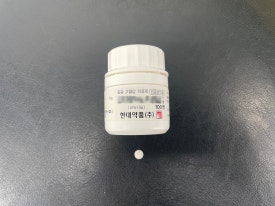
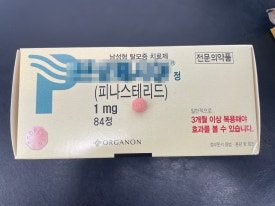
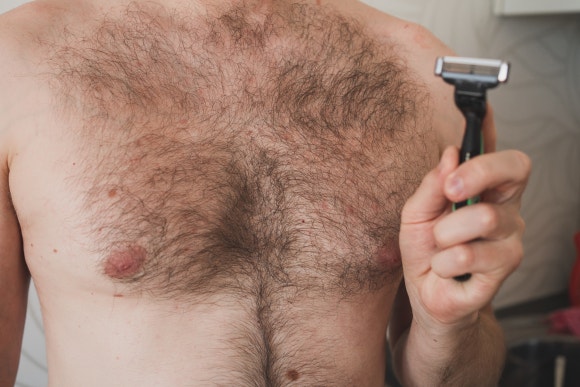
One of the side effects that people taking medications such as minoxidil or finasteride for hair loss are most concerned about is hypertrichosis (excessive hair growth).
It can be unsettling if you take a medication for your hair and then hair starts growing in unexpected places.
So how common is this side effect? Does everyone who takes hair-loss medication experience hypertrichosis? Let’s take a look at a recently published study and talk about it.

This study analyzed the rate of hypertrichosis with minoxidil use and whether patients continued treatment, based on data from 27 studies and 4,294 patients.
Key findings
-
Hypertrichosis occurred in 23% of all patients, or about 1 in 4.
-
In the case of oral minoxidil, the rate of hypertrichosis tended to increase as the dose increased.
o 0.25 mg/day: hypertrichosis occurred in 10%
o 1 mg/day: hypertrichosis occurred in 15%
o 1.25 mg/day: hypertrichosis occurred in 33%
-
Topical minoxidil (2% or 5%) had a low hypertrichosis rate of less than 2%.
-
However, only 0.49% of patients stopped treatment because of hypertrichosis.
The 23% rate of hypertrichosis is quite high.
This means that about 1 in 4 people may experience hypertrichosis, and in particular, the rate tended to rise as the dose of oral minoxidil increased.
What is interesting, however, is that very few patients stopped taking the medication because of hypertrichosis.
Even when hypertrichosis occurred, most patients continued treatment, taking the effect of minoxidil into account.
Looking at the results of this paper, we can confirm that hypertrichosis is a side effect that occurs more often than expected with minoxidil use.
But on the other hand, this also means that minoxidil has a strong effect on hair growth.
In other words, the occurrence of hypertrichosis may be evidence that the medication is working. Hair growth effects can appear not only on the scalp but also on other parts of the body.
Also, since hypertrichosis is a side effect that goes away after stopping the medication, avoiding hair-loss treatment altogether out of fear of hypertrichosis may be too cautious a decision.
If you are worried about hypertrichosis, you can consider starting with a low dose from the beginning and reducing the dose if necessary.
Conclusion
When taking medication for hair loss treatment, hypertrichosis is a side effect that should be considered, but it is not a reason to give up treatment.
-
The benefits are much greater than the side effects, and even if hypertrichosis occurs, it is an issue that can be sufficiently managed through dose adjustment.
-
If you are worried about hypertrichosis, you can consider starting with a low dose or gradually adjusting the dose.
Minoxidil may come with concerns about side effects because it is effective, but with proper use and dose adjustment, it can be used effectively.
It’s time for hair to grow, this was Kim Jino.
Filsaengshinmo (必生新毛).
References
Weichert, M., Chen, M., Guo, W., Schrock, N. and Briley, J. (2025) 'Efficacy and safety of minoxidil therapy: A systematic review and meta-analysis weighing the benefits against the risk of hypertrichosis', JAAD Reviews. Available at: https://doi.org/10.1016/j.jdrv.2025.02.013.
[In accordance with Article 56, Paragraph 1 of the Medical Service Act, this post is written directly by a plastic surgery specialist to provide information. Hair-loss surgery and treatment may have side effects, so please make a careful decision after consulting with a specialist.]