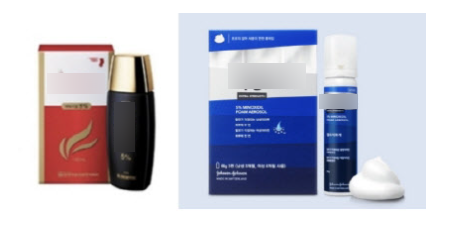
Source - E-Daily
Minoxidil
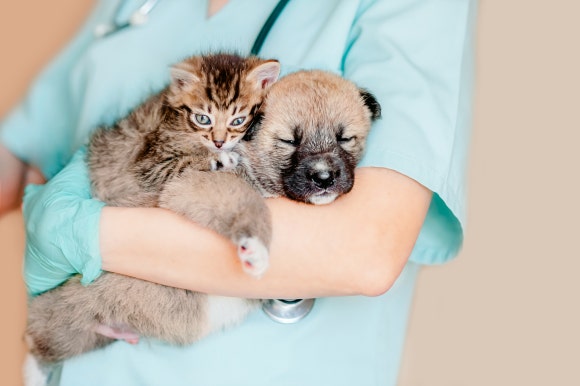
"Doctor, I apply hair loss medication and go to sleep, but my cat keeps climbing onto my pillow and sleeping there. Could that be a problem?"
This is a question I hear fairly often in the clinic or online.
At first, it may sound like simple curiosity, but hidden within it is a very important pet safety issue.
If you live with cats or dogs, this is something you should definitely know.
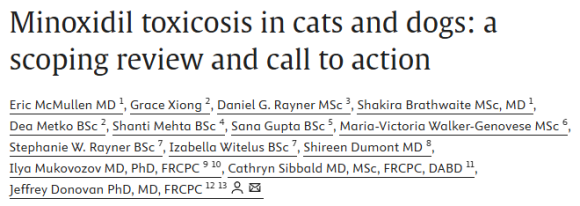
A recent paper published in the Journal of the American Academy of Dermatology, titled "Minoxidil toxicosis in cats and dogs: a scoping review and call to action," systematically analyzed whether minoxidil is dangerous for pets.
It analyzed a total of 94 reported cases of minoxidil toxicosis from around the world, covering exposure routes, time to symptom onset, recovery, and mortality.
In particular, the high mortality rate in cats (14.7%) is directly related to their physiological vulnerability.
Summary of minoxidil toxicosis statistics
• Scope of analysis: 94 reported cases worldwide from 2001 to 2025
• Cats: 68 cases, Dogs: 26 cases
• Cat mortality rate: 14.7%
• Symptom onset: within 30 minutes to several hours after exposure
Cats, unlike humans or dogs, have almost no glucuronidation function, which is a metabolic pathway in the liver that detoxifies harmful substances.
This pathway helps package toxic substances so they can be eliminated from the body, and cats with weak function in this pathway can accumulate even a very small amount of exposure in the body, leading to serious side effects.
• When a cat licks minoxidil left on a caregiver’s skin
• When a cat comes into contact with a pillow or blanket contaminated with the medication
Even indirect contact like this can quickly cause life-threatening symptoms in cats, such as decreased heart function, low blood pressure, difficulty breathing, and pulmonary edema.
What about dogs? Dogs are relatively less likely to be poisoned because they are larger than cats and also have glucuronidation function.
The paper reports that most dogs had directly ingested minoxidil after rummaging through trash, and all of them recovered.
However, South Korea has a very high proportion of small dogs.
The smaller the dog, the higher the concentration relative to body weight when exposed to the same amount of medication, and the stronger the toxic reaction may be.
In other words, even if the risk is not as high as it is for cats, small-dog owners must also be careful.
Practical guidelines for protecting pets
-
After using minoxidil, please avoid contact with cats or dogs.
-
Wash your hands thoroughly, and carefully clean places such as pillows or towels that may have come into contact with the medication.
-
If you suspect your pet has been exposed, you should have them examined by a veterinarian even if there are no symptoms.
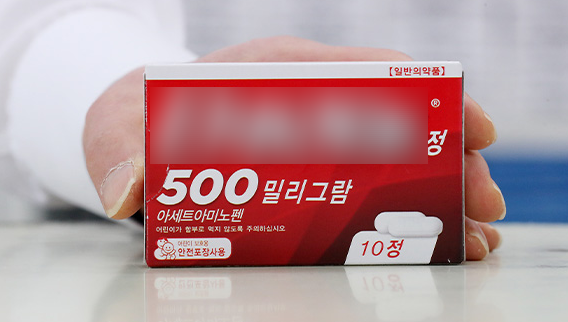
Source - KBS News
Acetaminophen
The acetaminophen ingredient, made famous by Tylenol, is the same.
This drug also needs to be detoxified through glucuronidation, but cats do not have this function, so even a small amount can cause fatal poisoning symptoms.
You must recognize that even over-the-counter medications that are considered safe for humans can be poisonous to pets.
Tylenol is not a topical medication but an oral medication, so the chance of exposure is lower than with minoxidil, but you should still make sure to keep the cap tightly closed.
Medicines, including hair loss medications, may be beneficial for people, but they can be toxic substances that threaten the lives of cats and small dogs.
In environments where you live with pets, proper precautions after using medication are important.

It's now time to hairhair, this was Kim Jino.
Pilsaeng Sinmo (必生新毛).
References
McMullen E, Xiong G, Rayner DG, Brathwaite S, Metko D, Mehta S, Gupta S, Walker-Genovese M-V, Rayner SW, Witelus I, Dumont S, Mukovozov I, Sibbald C, Donovan J, Minoxidil toxicosis in cats and dogs: a scoping review and call to action, Journal of the American Academy of Dermatology (2025)
[This post was written directly by a board-certified plastic surgeon for informational purposes in accordance with Article 56, Paragraph 1 of the Medical Services Act. Hair loss surgery and treatment may have side effects, and you should make a careful decision after consulting with a specialist.]
�