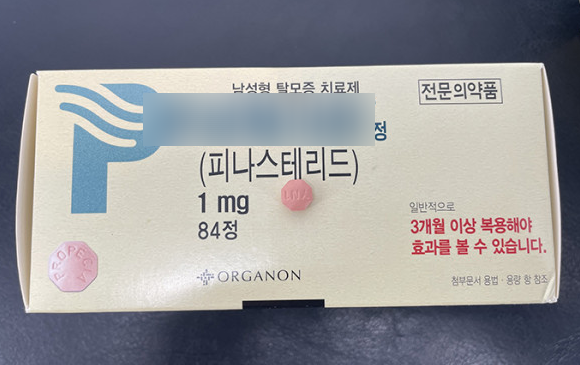
"Is it okay to take hair loss medication for a long time?"
This is a question I often hear in the clinic.
While patients are pleased as their hair volume increases, concerns about prostate health and sexual function grow over time.
Finasteride clearly works for treating hair loss.
However, this drug was originally developed to treat benign prostatic hyperplasia.
In other words, it works by suppressing hormones in the body, especially dihydrotestosterone (DHT).
So what effect does long-term use of this drug have on the body, especially the prostate and sexual function?
Two studies presented at the 2024 American Urological Association (AUA) meeting provide important clues to this question.

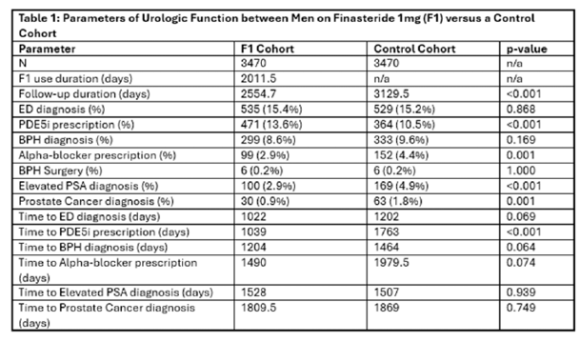
In men who took finasteride 1 mg for more than 5 years,
when the incidence of benign prostatic hyperplasia (BPH) and lower urinary tract symptoms (LUTS) was analyzed,
there was no significant difference in the incidence of these conditions whether they took the medication or not.
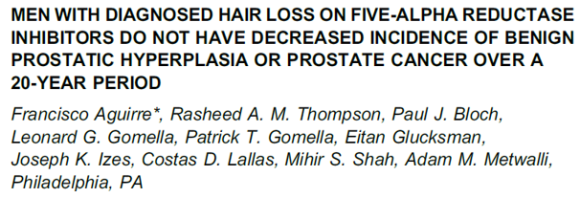
There was also no significant difference in the incidence of benign prostatic hyperplasia or prostate cancer between the group that took finasteride for 20 years and the group that did not.
Some previous studies had raised concerns that finasteride increases the risk of high-grade prostate cancer, but this long-term study showed that there is no major reason to worry about such concerns.
In conclusion, long-term use of finasteride 1 mg can be interpreted as a neutral medication that does not have a preventive effect on prostate disease and does not increase the incidence of prostate cancer.
This appears to be the result of the difference from the 5 mg dose used for prostate treatment.
Finasteride has continued to raise concerns about possible sexual side effects due to its DHT-suppressing mechanism.
The first study mentioned above analyzed this point.
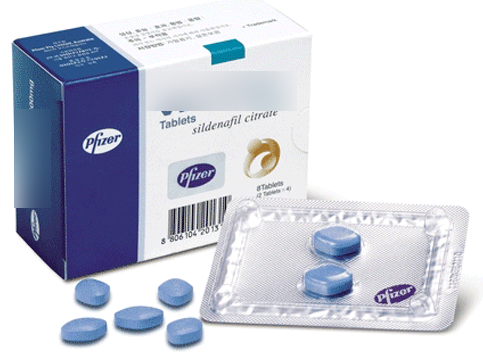
Source - Health Korea News
Erectile dysfunction treatment
• Long-term users of finasteride 1 mg were statistically more likely to receive diagnoses related to sexual function (such as erectile dysfunction) and treatment (use of PDE5 inhibitors such as Viagra).
• The longer the duration of use, the more the likelihood of being diagnosed with sexual dysfunction gradually increased.
In other words, some people should keep in mind that long-term finasteride use may affect sexual function.
However, this side effect does not occur in everyone, and there are individual differences.
These studies offer their own answers to the representative questions of those who have taken finasteride for a long time: Will its effect be maintained? Is it harmful to health?
• Finasteride 1 mg does not prevent prostate disease
• It also does not increase the incidence of prostate cancer
• Long-term use may be associated with sexual dysfunction
• Therefore, this medication should be used only for the purpose of treating hair loss
Checklist before taking it
• Do not use finasteride for the purpose of preventing prostate disease
• Be aware that concerns about the occurrence of prostate cancer have been resolved by the data
• Pay attention to changes in sexual function, and if abnormal symptoms persist, be sure to consult a specialist
• Before long-term use, carefully compare the benefits and risks before making a decision

It's time to grow hair again, this was Kim Jino.
필생신모(必生新毛).
References
Xu, P.J., Patel, A., Roane, A., Gibbs, C., Mechlovich, D., Bucko, R., Stock, L., & Krambeck, A. (2024). The urologic impact of long-term finasteride-1 mg use for androgenic alopecia: A matched-cohort database analysis. Presented at the American Urological Association (AUA) Annual Meeting.
Chestnut, C., Yang, C.C., Gore, J.L., & Schenk, J. (2024). Men with diagnosed hair loss on five-alpha reductase inhibitors do not have decreased incidence of benign prostatic hyperplasia or prostate cancer over a 20-year period. Presented at the American Urological Association (AUA) Annual Meeting.
[This post is written directly by a plastic surgery specialist for informational purposes in accordance with Article 56, Paragraph 1 of the Medical Service Act. Hair loss surgery and treatment may have side effects, and you should make a careful decision after consulting a specialist.]