AI-translated archive post

Academic English #25. happen to — by chance, coincidentally

New Hair Institute · 김진오의 뉴헤어 프로젝트 · May 27, 2025

‘Happen to’ is often used in English with the nuance of “to end up doing something by chance,” “to happen to be,” or “by any chance.” It is especially useful at academic meetings o...

AI translation notice

This page is an English translation of a Korean Naver Blog archive entry. For exact wording and source context, verify against the Korean archive original and the original Naver post.

Clinic: New Hair Institute

Original post date: May 27, 2025

Translated at: April 29, 2026 at 2:33 PM

Medical note: This translation does not guarantee medical accuracy or suitability for treatment decisions.
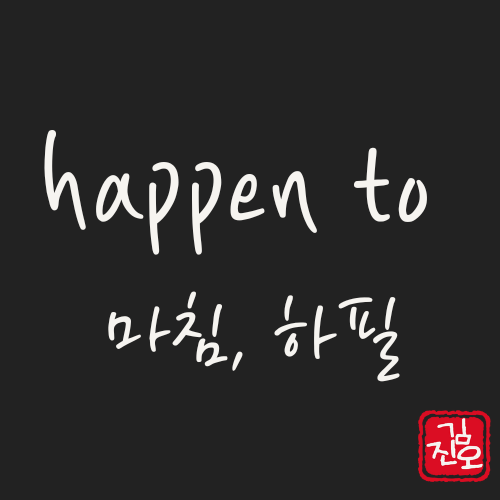
‘Happen to’ is often used in English with the nuance of “to end up doing something by chance,” “to happen to be,” or “by any chance.”

It is especially useful at academic meetings or conferences when you want to share information modestly or bring up a topic naturally.

This expression is useful for introducing a situation gently, and it allows you to share information without making a strong assertion, creating an intelligent and polite impression.

Academic English #25. happen to — by chance, coincidentally image 1

5 example sentences

  1. I happened to be the chair of that session.

  2. Did you happen to see the poster session this morning?

  3. I happened to review that paper a few months ago.

  4. I happen to be working on that topic — would you be interested?

  5. I happened to work on a project with that presenter back in 2021.

Continue browsing

Keep exploring this clinic's public source trail

Return to the source archive for more translated posts, or open the Korean clinic profile to compare other public channels.