Androgenetic Alopecia (AGA) is the most common form of hair loss in both men and women.
It is often known to be caused by genetic factors, but recent studies have found that lifestyle factors, especially eating habits, can have a significant effect on the progression of hair loss.

A study published in the 2025 International Clinical Research Report analyzed the effects of dietary control and exercise habit changes on hair loss symptoms in overweight participants with high androgen levels.
The results showed that in some cases, hair loss stage improved with lifestyle changes alone, and that improving the quality of eating habits played an important role.
Can hair loss be eased through eating habits?

- Meals centered on blood sugar control
A diet high in carbohydrates increases insulin secretion, which can indirectly affect androgen hormone secretion and may trigger hair loss.
Therefore, it is important to reduce refined carbohydrates and maintain meals centered on complex carbohydrates and dietary fiber.
-
Foods to avoid: white rice, sugar, bread, snacks
-
Recommended foods: oats, barley, quinoa, vegetables
- Balanced protein intake
Hair is made of a protein called keratin. However, excessive protein intake can trigger inflammatory reactions in the body, and too little intake can leave the body short of the materials needed for hair production.
-
Recommended foods: eggs, tofu, fish, legumes
-
Intake guideline: maintain about 1 to 1.2 g per kg of body weight
- Healthy fats and omega-3
Omega-3 fatty acids help with anti-inflammatory effects and improve blood flow to the scalp.
This helps ensure that enough nutrients and oxygen are supplied to the hair follicles.
-
Recommended foods: mackerel, salmon, flaxseed, walnuts, olive oil
-
Fats to avoid: trans fats, saturated fats
- Adequate intake of minerals and vitamins
There are many studies showing that AGA is associated with deficiencies in certain nutrients such as zinc, iron, vitamin D, and biotin.
-
Recommended foods: egg yolk, spinach, liver, seaweed, nuts
-
For vitamin D, synthesis through sunlight is also important
- Hydration is fundamental
Water helps keep the scalp environment moist and plays a key role in removing waste and delivering nutrients.
To help prevent hair loss, it is recommended to drink at least 1.5 to 2 L of water per day.
Hair loss prevention starts at the dining table
In this way, androgenetic alopecia is not simply a matter of genetics.
Adjusting lifestyle and eating habits can be an important factor in slowing the progression of hair loss and maintaining hair health.
Before medication or surgery, looking again at your three daily meals may be the first step in hair loss treatment.
Your hair grows by feeding on your eating habits.
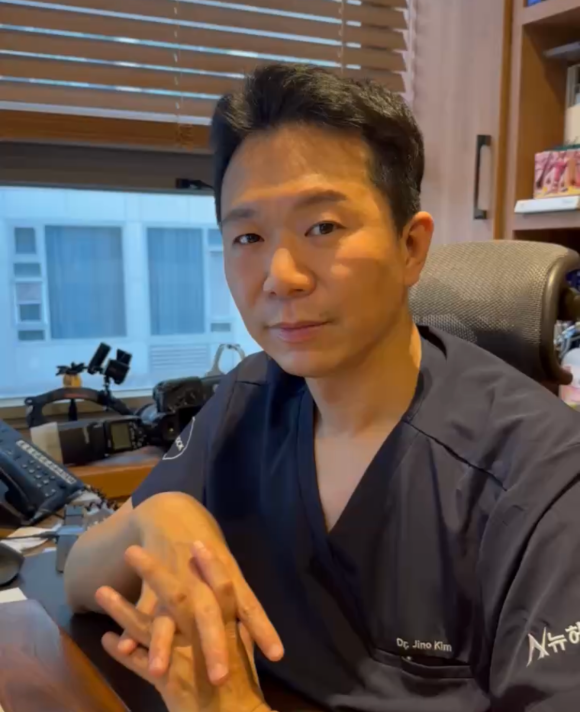
It is time for hairhair, this was Kim Jino.
Pilsaengsinmo (必生新毛).
References
Hassan, H.E., Abd-ELhakam, F.H. and Kasem, E.K.A., 2025. Androgen-Related Alopecia and Infertility: Impact of Lifestyle Modifications. International Journal of Clinical Research and Reports, 4(2).
[In accordance with Article 56, Paragraph 1 of the Medical Service Act, this post is being written directly by a board-certified plastic surgeon for informational purposes. Hair loss surgery and treatment may have side effects, and you should make a careful decision after consulting with a specialist.]