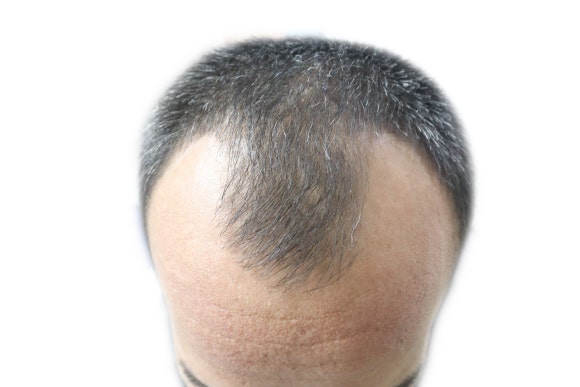
People who experience hair loss look for treatment options and various sources of information,
but research on the causes of hair loss or its demographic characteristics has been relatively limited.
A recent study conducted in the United States presented results analyzing the epidemiological characteristics of androgenetic alopecia (hereditary hair loss).
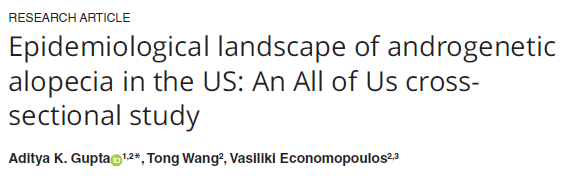
Epidemiological Features of Androgenetic Alopecia in the United States
This study analyzed electronic health records (EHRs) and survey data from 266,612 people collected from 2017 to 2022 using data from the National Institutes of Health (NIH) All of Us research program in the United States.
Let’s look at the main findings from the study.
- Incidence of hereditary hair loss by age
-
In men, hereditary hair loss was most commonly experienced between the ages of 20 and 39.
-
In women, the report rate of hereditary hair loss was relatively higher in the older age group of 60 to 69.
-
It was confirmed that men tend to experience hereditary hair loss earlier than women.
- Treatment patterns for hereditary hair loss

Source - Yakup Newspaper
Finasteride
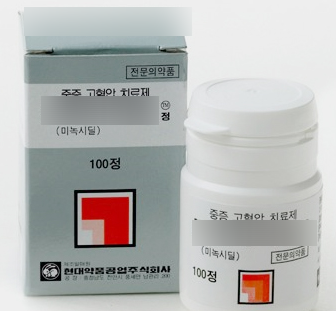
Source - NewsTheVoice Healthcare
Minoxidil
Men’s treatments
-
The most commonly used medication was Finasteride.
-
In younger people (20 to 39), prescriptions for oral minoxidil increased.
-
Dutasteride prescriptions were rare (it is not approved in the United States).
Women’s treatments
-
Spironolactone was prescribed most often.
-
Finasteride prescriptions increased among postmenopausal women.
-
In younger women, oral minoxidil + spironolactone combination therapy was prescribed.
- The decline in finasteride use
-
Since 2011, reports of Post-Finasteride Syndrome (PFS) have increased, and finasteride prescriptions have decreased by 80–90% compared with previous levels.
-
In contrast, oral minoxidil prescriptions have shown an increasing trend since 2020.
- Socioeconomic factors and hereditary hair loss
-
The higher the income, the higher the reported rate of hereditary hair loss.
-
Among people earning more than $75,000 per year, the incidence of hereditary hair loss was higher (about 2.5 times more likely in men, and about 1.9 times more likely in women).
-
The higher the educational level, the higher the reported rate of hereditary hair loss.
-
Those with a bachelor’s degree or higher had a higher incidence of hereditary hair loss (about 4.3 times more likely in men, and about 2.2 times more likely in women).
-
Relationship with alcohol consumption
-
The incidence of hereditary hair loss increased among alcohol drinkers (about 2.1 times more likely in men, and about 1.2 times more likely in women).
- Female hereditary hair loss and mental health
-
Women with depression (about 1.3 times more likely) and anxiety disorders (about 1.1 times more likely) had a higher incidence of hereditary hair loss.
-
An association between polycystic ovary syndrome (PCOS) and hereditary hair loss was confirmed (about 2.1 times more likely).
-
Hereditary hair loss may have a significant impact on mental health.
Hair loss is often dismissed as a simple genetic issue, but this study is meaningful in that it revealed links between hair loss, socioeconomic factors, and mental health.
As income and education levels increase, people tend to actively seek treatment for hereditary hair loss,
and in women, it was found that hair loss is likely closely connected to mental health.
Beyond simply finding treatment methods, efforts should also be made to improve social awareness of hair loss and provide mental health support.
Although hair loss treatments are continuing to advance, people experiencing hair loss still feel psychological burden.
Based on these associations identified through research, I believe a broader treatment approach is needed.
Now it is time for hairhair, Kim Jino.
Pilsaengsinmo (必生新毛).
References
Gupta, A.K., Wang, T., & Economopoulos, V. (2025). Epidemiological landscape of androgenetic alopecia in the US: An All of Us cross-sectional study. PLOS ONE, 20(2), e0319040. https://doi.org/10.1371/journal.pone.0319040
[This post is written directly by a board-certified plastic surgeon for informational purposes in accordance with Article 56, Paragraph 1 of the Medical Service Act. Hair transplant surgery and treatment may have side effects, and you should make a careful decision after consulting with a specialist.]