Many people who are concerned about hair loss often ask one question:
"Why does my hair keep falling out?"
In general, this is often explained as being mainly caused by genetic factors or by the male hormone dihydrotestosterone (DHT).
However, recent studies have shown that an imbalance in intracellular energy metabolism and oxidative stress is closely related to the progression of hair loss.
In particular, it is necessary to pay attention to mitochondria.
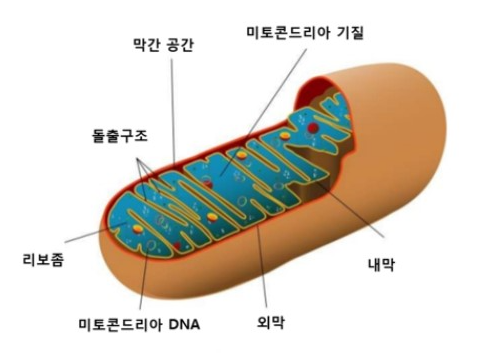
Source - Institute for Basic Science
Mitochondria
Mitochondria are key organelles that produce ATP, the cell’s energy source.
However, when these mitochondria are damaged or their function declines,
reactive oxygen species (ROS) are excessively generated, increasing oxidative stress inside the cell.
This can cause DNA damage, protein modification, and lipid peroxidation, and as a result, it can impair hair follicle cell function and shorten the anagen phase, thereby accelerating hair loss.
These damaged mitochondria are removed through an autophagy process called mitophagy.
Mitophagy is regulated through various cellular signaling mechanisms and plays a key role in maintaining intracellular energy balance and the redox state.
However, recent reports have shown that in the scalp of patients with hereditary hair loss, mitophagy function is reduced and ROS levels are elevated, which may induce pathological hair loss.
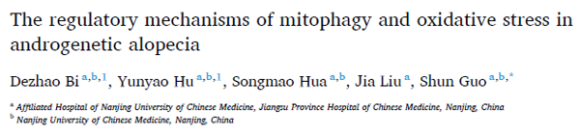
A recent paper confirmed that ROS levels in hair follicle tissue from patients with AGA were significantly higher than in the normal group, and that the activity of major pathways that regulate mitophagy was suppressed.
These results suggest that the pathophysiology of AGA cannot be explained by hormonal imbalance alone, and that cellular energy metabolism and oxidative stress regulation are the key factors.
In particular, improving mitophagy through drugs that activate the PINK1/Parkin pathway or through antioxidants is emerging as a new treatment strategy, and preclinical experiments have also shown that this approach is effective in increasing the survival rate of hair follicle cells and prolonging the anagen phase.
Prevention and treatment of hair loss: practical steps and a scientific approach in daily life
Prevention and treatment strategies for AGA should not rely solely on the use of existing androgen inhibitors, but should also be combined with methods that maintain a healthy intracellular environment.
In particular, the following practices may be helpful.
-
Taking antioxidant supplements (CoQ10, vitamin C, vitamin E, etc.)
-
Regular aerobic exercise
-
Getting enough sleep and managing stress
-
Maintaining a balanced diet
These lifestyle habits help suppress ROS production inside cells and support mitochondrial function, contributing to a healthy growth environment for hair follicles.
Above all, it is important to establish a personalized treatment strategy based on an accurate diagnosis by a specialist.
In particular, the earlier the stage of hair loss, the greater the expected effect of treatments that restore cellular function.
Do You Need to Understand Mitochondria First to Understand Hair Loss?
Conclusion
Male pattern hair loss is no longer explained by genetics or hormones alone.
Mitochondrial function, mitophagy activation, and oxidative stress regulation have become core pillars in the pathophysiology of AGA and suggest new possibilities for future hair loss treatments.
For those who are worried about hair loss, it may be helpful to pay attention not only to the "visible symptoms"
but also to the "story inside the cells."
That is because hair is not simply something that grows; it is the result of cellular energy and balance.
The latest trend in hair loss research is saying, “Before the hair follicle, protecting the mitochondria comes first.”
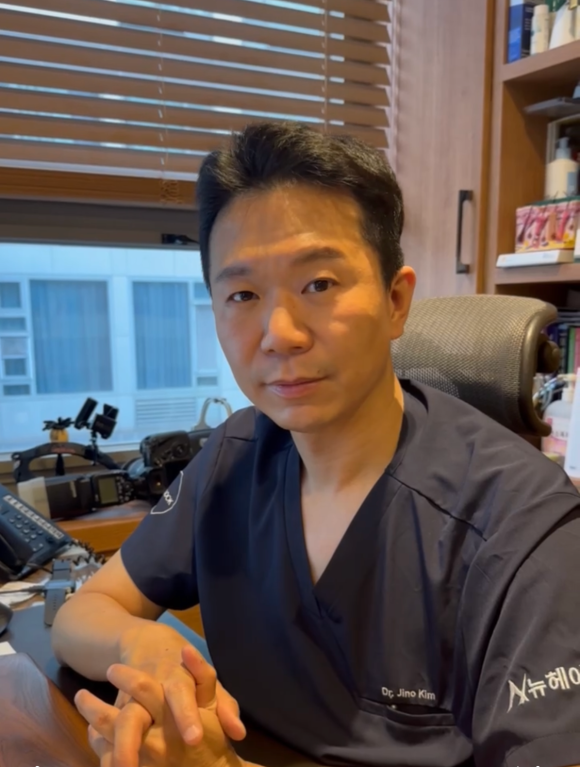
This has been Kim Jin-oh, the one who gives it time for hair to grow.
Pilsaengsinmo (必生新毛).
References
Bi, D., Hu, Y., Hua, S., Liu, J. and Guo, S., 2024. The regulatory mechanisms of mitophagy and oxidative stress in androgenetic alopecia. Affiliated Hospital of Nanjing University of Chinese Medicine.
[This post is written directly by a board-certified plastic surgeon for informational purposes in accordance with Article 56, Paragraph 1 of the Medical Service Act. Hair transplant surgery and treatment may have side effects, and decisions should be made carefully through consultation with a specialist.]