
For people who aspire to have a great body and a muscular physique, steroids may seem like an enticing shortcut.
But did you know that careless use can leave you with lifelong regret?
Recently, as interest in maintaining a healthy physique has grown, anabolic steroids, often called “bodybuilding drugs,” have become popular, and the government said it had uncovered 95 online illegal distribution posts.
This shows that the steroid problem is spreading beyond an individual issue and becoming a public health threat at the social level.
The temptation of rapid muscle gain, and the shadow hidden behind it
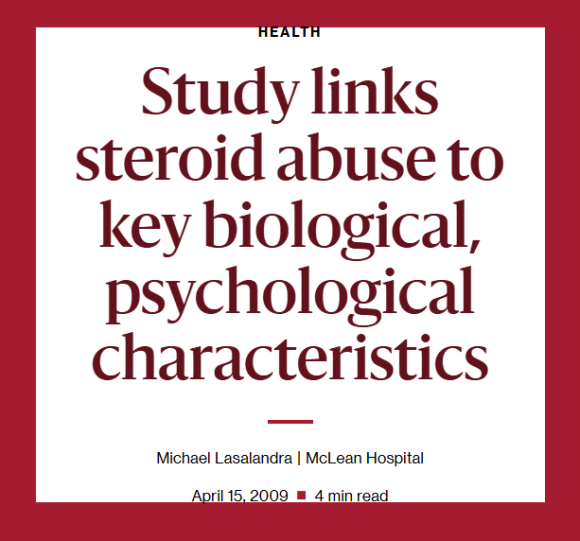

According to a Harvard University study, people who take steroids may be able to increase muscle mass about three times faster than those who do not.
Because of this immediate effect, many exercisers are tempted by steroids.
Steroids are mainly derivatives of testosterone, and they promote muscle growth by increasing protein synthesis.
However, when hormones are artificially manipulated in this way, the body’s endogenous hormone regulation system, especially the hypothalamic-pituitary-testicular axis (HPT axis), can be seriously affected, leading to endocrine disorders.
In the long term, this can lead to serious health problems such as genital atrophy, reduced sexual function, osteoporosis, and cardiovascular disease.
The dangers of steroid abuse
5 side effects
If steroids are used carelessly, the following side effects can occur.
-
Hormonal imbalance: Men may experience symptoms such as testicular shrinkage, gynecomastia, and erectile dysfunction, while women may develop masculinization and menstrual irregularities.
-
Cardiovascular disease: The risk of increased LDL cholesterol, atherosclerosis, heart attack, and stroke rises. Some studies have also reported a higher incidence of myocardial hypertrophy and arrhythmia in steroid users.
-
Liver dysfunction: Oral steroids in particular place a heavy burden on the liver and can lead to hepatitis, liver tumors, and even liver cancer.
-
Mental health problems: Depression, aggression, anxiety, and in severe cases, psychotic symptoms can also be triggered. The phenomenon commonly known as “roid rage” has been reported in real-world cases linked to violent incidents.
-
Hair loss: Steroid use raises dihydrotestosterone (DHT) levels, which shrinks hair follicles and can accelerate hair loss, especially in people prone to male pattern baldness. This may be temporary for some users, but when genetic factors are also involved, it can lead to permanent hair loss.
The spread of illegal distribution and the problem reaching teenagers
It is illegal to take or inject steroids without a doctor’s prescription,
and this violates the Medical Service Act and the Pharmaceutical Affairs Act.
However, steroid syringes are still being found in some gyms,
and cases of teenagers in their teens carelessly coming into contact with these drugs are increasing.
Steroid use during adolescence can cause premature closure of the growth plates, leading to serious side effects such as impaired growth.
A healthy exercise culture is the answer
Exercise is, by nature, for health.
If you choose to harm your health for short-term muscle gains, that is not true exercise.
You can also build a healthy body through proper exercise habits, a balanced diet, and enough rest.
In fact, regular weight training is known to increase the secretion of IGF-1 (insulin-like growth factor-1), helping natural and sustainable muscle growth.
Steroids can be poison, not a tool
Steroids may provide short-term muscle-building effects, but excessive use or taking them without medical supervision is followed by serious side effects.
A single use may not ruin everything, but repeated and long-term use is clearly dangerous.
If you want a healthy life, you should stay true to the original purpose of exercise rather than be tempted by steroids.
In particular, I hope younger generations and exercise beginners will protect their health based on more accurate information.

Now it’s time to hairhair, this was Kim Jino.
Pilsaengsinmo (必生新毛).
References
• de Ronde, W. et al. (2022). Anabolic–androgenic steroids: How do they work and what are the risks? Frontiers in Endocrinology, 13, 1059473. https://doi.org/10.3389/fendo.2022.1059473
• Bhasin, S. et al. (1996). The effects of supraphysiologic doses of testosterone on muscle size and strength in normal men. New England Journal of Medicine, 335(1), 1–7. https://doi.org/10.1056/NEJM199607043350101
• Hartgens, F. & Kuipers, H. (2004). Effects of androgenic-anabolic steroids in athletes. Sports Medicine, 34(8), 513–554. https://doi.org/10.2165/00007256-200434080-00003
• Kanayama, G., Hudson, J. I. & Pope, H. G. (2008). Long-term psychiatric and medical consequences of anabolic–androgenic steroid abuse: A looming public health concern? Drug and Alcohol Dependence, 98(1–2), 1–12. https://doi.org/10.1016/j.drugalcdep.2008.05.004
• Kicman, A. T. (2008). Pharmacology of anabolic steroids. British Journal of Pharmacology, 154(3), 502–521. https://doi.org/10.1038/bjp.2008.165
• Piacentino, D. et al. (2015). Anabolic-androgenic steroid use and psychopathology in athletes. A systematic review. Current Neuropharmacology, 13(1), 101–121. https://doi.org/10.2174/1570159X13666141210225425
[This post was written directly by a plastic surgery specialist to provide information in accordance with Article 56, Paragraph 1 of the Medical Service Act. Hair transplant surgery and treatment may have side effects, and please make a careful decision through consultation with a specialist.]