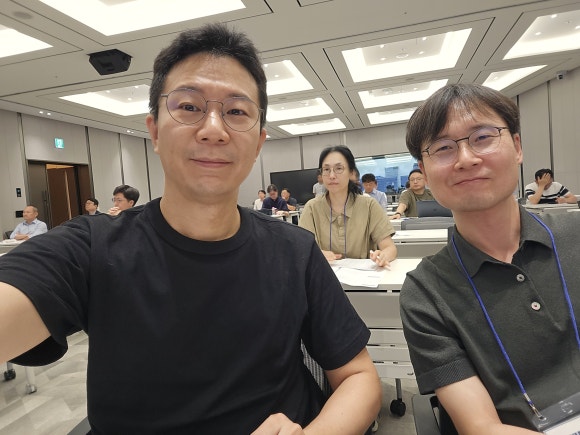
A few days ago, I attended a lecture by Professor Jeong Jae-hoon of the Department of Preventive Medicine at Korea University College of Medicine at a high-level medical policy course hosted by the Korean Medical Association. The topic was “The Future of Healthcare in the Republic of Korea.” It was a lecture packed with statistics and graphs, but in the end, it came down to a very simple question.
“Can this structure remain sustainable going forward?”
Korea is becoming one of the countries where people live the longest and healthiest lives in the world. There is even a forecast that it will soon record the world’s highest healthy life expectancy. But behind this impressive report card lies a problem that remains unresolved. Medical spending is rising sharply, and with national health insurance, long-term care insurance, and pensions all expanding at the same time, the burden on the current generation is almost unimaginable. If the numbers hold, by around 2060 we may have to pay more than half of our income into social insurance.
The professor even described it as, “It would be hard to withstand even if the god of policy came down.”
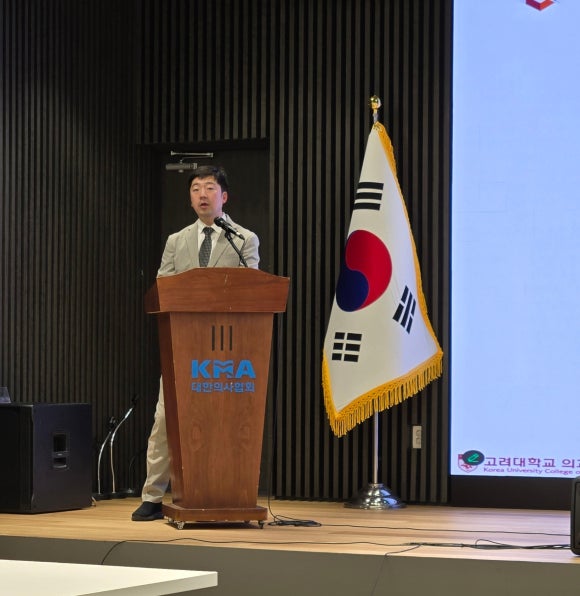
The core message of the lecture was
“we need to change the way benefits are distributed.”
Until now, the system has given small benefits to everyone. Whether the illness was mild or severe, whether the treatment was truly necessary or merely an optional test, everyone has received similar help from national health insurance. But that will be hard to sustain in the future.
As people live longer and carry illnesses with them as they age, it becomes impossible for the state to take responsibility for everything in the same way. So the professor suggested the following:
“For major illnesses that threaten life and for treatments that are truly necessary, the state should take on a much heavier responsibility; for relatively mild conditions or expensive tests that are not strictly necessary, the burden should shift more toward individuals and the private sector.”
For example, for serious diseases such as cancer or heart disease, the state should take as much responsibility as possible. In contrast, the individual should bear more of the cost for something like a common cold, a simple checkup, or expensive tests such as an MRI when the necessity is low. He also explained that medical care, long-term care, and caregiving should not continue to be run separately as they are now, but should be integrated and managed as one system suited to a super-aged society.
Another striking point was the “paradox” of tertiary general hospitals. Many people think that larger university hospitals charge higher medical fees. But if you look at the data, when comparing the same stage of disease, the treatment cost at university hospitals in Seoul (tertiary general hospitals) is often lower than at local hospitals (general hospitals). The reason tertiary general hospitals appear cheaper is surprisingly simple: they have many resident physicians and fellows in training, so their labor costs are relatively lower. But that structure is now being shaken. If residents leave the hospitals and the number of trainees decreases, the efficiency that has been maintained so far could quickly collapse. In the end, tertiary general hospitals will have to focus on the core functions they must handle, and other functions will need to be transferred to general hospitals. Structural reform is unavoidable.
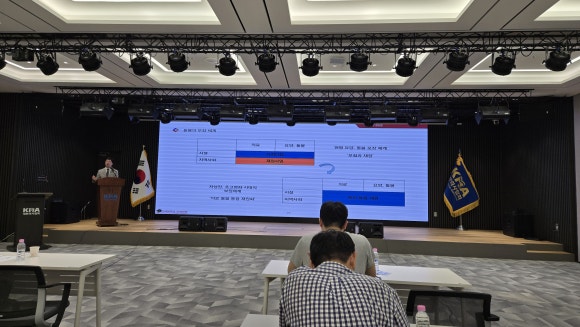
Anyone can say that the solution is to “reduce demand and improve efficiency.” But in reality, it is an area that no one can easily touch. For patients, it means higher out-of-pocket costs. For doctors, it means reallocating authority and roles. Everyone knows it is the right thing to do, but no one is able to move forward easily.
As I meet patients in the clinic, I see both the strengths and contradictions of our system. The fact that people can receive inexpensive and quick care is clearly a major advantage, but behind that are exhausted medical professionals and unstable finances. Professor Jeong Jae-hoon’s lecture clearly showed this reality with numbers and gave us a task: do not postpone the decision.
Medicine is, in the end, the sum of the ways a society cares for itself. What choices we make from here on out will ultimately be up to all of us. Whether we settle for today’s “report card” or prepare to ease the burden on the next generation even a little depends on our courage.
Written by Kim Jin-oh (Public Relations Director, Korean Society of Plastic and Reconstructive Surgeons)