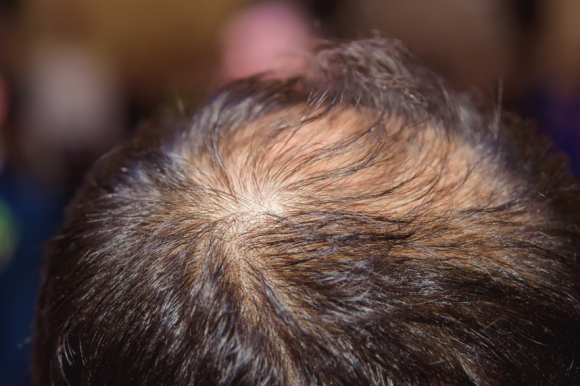
Female hair loss is not just an appearance issue caused by thinning hair; it can deeply affect self-esteem, psychological stability, and interpersonal relationships overall.
Recent research has specifically shown the link between female hair loss and nutritional status,
revealing new directions for treatment and management¹.
Q1. What nutritional deficiencies are most commonly
found in patients with female hair loss?
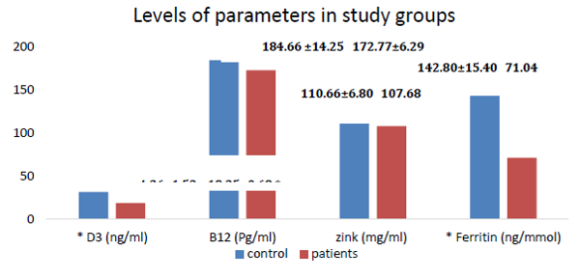
Research results showed that vitamin D and ferritin (a protein that stores iron in the body) levels were significantly lower¹.
The average vitamin D level in the hair-loss group was 18.35 ng/mL, about half that of the normal control group (31.26 ng/mL).
Ferritin was also 71.04 ng/mL, significantly lower than the control group (142.80 ng/mL).
This shows that both indicators are nutrients directly linked to hair growth.
Q2. If vitamin D and iron are deficient,
what changes occur in the hair?
Vitamin D activates receptors that regulate the hair follicle cycle, coordinating the process of hair falling out and growing back.
When deficient, the number of hairs in the growth phase decreases and the number in the resting phase increases, promoting hair loss.
Ferritin is an indicator that reflects iron stores, and when iron is insufficient, protein synthesis and cell division in hair cells slow down.
This results in thinner hair and reduced growth capacity.
Q3. Are vitamin B12 and zinc also important?
Vitamin B12 and zinc did not show a large difference between the hair-loss group and the control group,
but they tended to be somewhat lower in the patient group¹.
Vitamin B12 is essential for DNA synthesis and cell metabolism, and long-term deficiency can lead to reduced hair thickness and quality.
Zinc is involved in protein synthesis and immune function, helping maintain scalp health.
Therefore, rather than focusing on a single deficiency, an approach that considers overall nutritional balance is needed.
Q4. Are nutrients related to each other?
Yes. The study confirmed the following positive correlations¹.
-
Vitamin D ↔ Ferritin
-
Vitamin D ↔ Vitamin B12
-
Zinc ↔ Vitamin B12
In other words, if one nutrient is lacking, it can also affect the status of other nutrients.
This suggests that comprehensive nutritional management may be more effective than taking a single supplement.
Q5. Then how is this approached in actual clinical practice?
In clinical settings, when treating female hair-loss patients, blood tests are first recommended to check vitamin D and
ferritin levels.
If deficiencies are found, supplements are prescribed or lifestyle changes (sun exposure, dietary correction) are combined.
In addition, if B12 and zinc levels are low,
customized nutritional management programs may also be applied to help prevent long-term worsening of hair loss.
Female Hair Loss: Is It Caused by Hidden Nutrient Deficiencies? (Vitamin D and Iron)
Summary
Vitamin D and iron (ferritin) deficiencies are clearly identified in female hair-loss patients.
Hair health is not a single-nutrient issue, but the result of nutritional balance.
In clinical practice, blood tests should be used to check for deficiencies, and customized supplementation and lifestyle improvements are needed.
| Category | Average in Hair-Loss Group | Average in Control Group | Result |
|---|
| Vitamin D (ng/mL) | 18.35 | 31.26 | Significantly lower (p |
Now it's time for hairhair, this was Kim Jin-oh.
Pilsaengsinmo (必生新毛).
Written by: Kim Jin-oh of New Hair Plastic Surgery (Public Relations Director, Korean Association of Plastic Surgeons / Academic Director, Korean Hair Research Society)
References
Al-Ardhi, G.H. (2025). Estimation of Vitamin D, B12, Zinc, and Ferritin in Women Have Hair-Loss. Humanities & Natural Sciences Journal, 5(7), 308–320.
[This post is written directly by a board-certified plastic surgeon for informational purposes in accordance with Article 56, Paragraph 1 of the Medical Service Act. Hair transplant surgery and treatment may have side effects, and you should make a careful decision after consulting with a specialist.]