Hello.
I am Kim Jin-oh, a plastic surgery specialist with 24 years of experience treating hair loss.
All of a sudden, my hair volume dropped a lot.
My crown looks sparse.
These are comments I often hear when seeing female patients in the clinic.
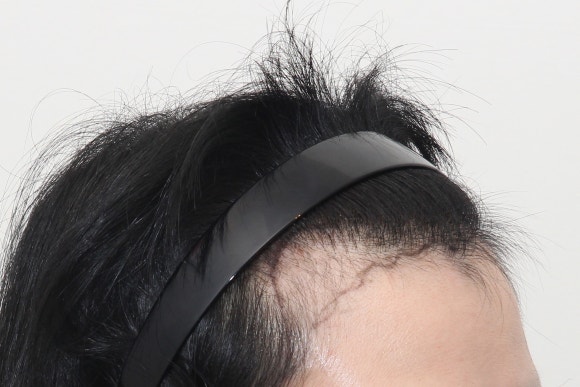
Although it may seem like women have less to worry about than men when it comes to hair loss, the proportion of female patients dealing with hair loss is actually increasing every year.
Even symptoms once thought to occur only in people in their 40s and older are now frequently appearing in people in their 20s and 30s, so female hair loss is no longer something that appears only in middle age.
When women experience hair loss, the first thoughts are often, “Do I really have hair loss?” and “What type is it?”
This is because they may think it could be temporary shedding due to recent stress,
or that the reduced hair volume without actual shedding might be a sign of aging rather than hair loss.
Today, I will address common questions about female hair loss and look at why it happens and what treatment options are available.
Female Hair Loss Types and Causes
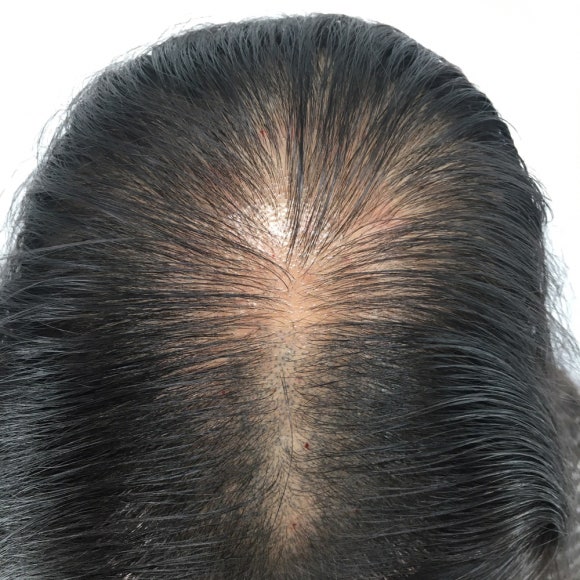
Unlike men, female hair loss does not come in many different types. It is divided into part-line type and hairline type.
Another characteristic of female-pattern hair loss is that it is more of a diffuse type in which the scalp area gradually becomes wider, rather than a pattern in which hair suddenly falls out all at once. Hair does shed, but the main issue is that it gradually becomes thinner, lowering density.
The hairline can also gradually thin, causing the forehead to appear wider or making the hair look less dense when brushed forward. The causes of female hair loss can largely be divided into hormones, aging, and genetics.
Many women say hair loss started after pregnancy and childbirth.
This is because during pregnancy, hair does not shed as easily due to the influence of female hormones, but after childbirth, as hormone levels return to normal, hair can fall out in large amounts.
Most people recover over time, but if there were genetic factors already present, or if the body has not yet fully recovered due to stress or lack of sleep, hair loss may not improve and can continue. If time passes without enough room to care for your body and you go on to have a second or third child, the hair loss may progress to a noticeable degree.
Hair loss can also progress as women go through another hormonal shift known as menopause. Unlike simple aging, this change begins in the mid-40s, when female hormone levels start to decrease.
When estrogen decreases, it can affect the maintenance of the hair growth phase and make the hair shafts thinner.
Aging is also a major cause.
Our scalp and hair follicles also age.
As a result, the number of hairs produced from each follicle decreases and the hair becomes thinner.
You may feel that the hairline is gradually becoming less distinct.
Compared with men, women are less affected by genetics,
but if there is a genetic predisposition, it can still appear earlier or progress faster than in those without it.
How Is Female Hair Loss Treated?
If your hair is thinning and shedding, leaving it alone can cause significant cosmetic stress, and the progression may also speed up.
It is best to try treatment as soon as you notice possible symptoms, but oral medications for female-pattern hair loss are often limited.
The reason is that hair loss medications work by suppressing the DHT hormone. When this hormone increases, hair follicles shrink and thin hair is more likely to grow.
However, these medications can affect hormones in women, so they are contraindicated for women of childbearing age, and they may cause hormonal imbalance or irregular periods.
If you look into hair loss medications closely, they can be used, but because there are many more restrictions than for men, treatment usually relies on topical medications and a small number of oral medications.
For that reason, follicle injections, laser therapy, and device-based treatments, which are also part of hair loss treatment, can be considered together.

Follicle injections involve directly injecting medications and nutrients that promote hair growth and suppress hair shedding into the hair follicles within the scalp.
This allows medications that would otherwise have to be taken orally or applied topically to act directly.
Follicle injections are recommended because they can have a synergistic effect when used together with medication in the early stages of hair loss. They can be applied to people with scalp inflammation, people who have difficulty taking medication, and people hoping to strengthen their hair.
Next is device-based treatment.
Low-level laser devices stimulate wound healing and hair growth, and magnetic field devices create a magnetic field around the scalp to activate follicle cells and increase microvascular blood flow, helping to support treatment.
The advantage of device-based treatment is that it can be widely used because the risk of side effects is relatively low. Since each treatment method has different pros and cons, and each patient responds differently, experience and planning are very important when deciding how to combine and apply them.
That is why deciding where and how to treat is the key.
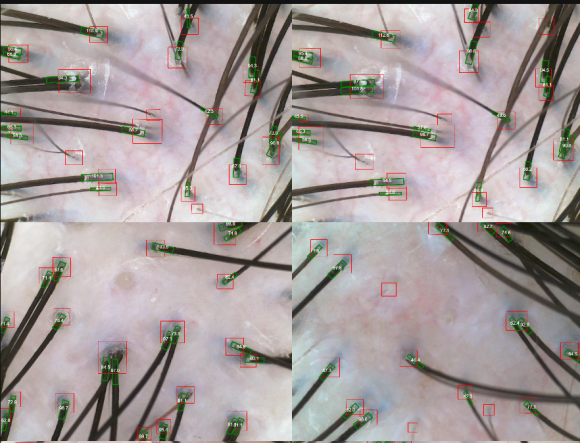
Female Hair Loss Treatment at a Place Where the Examination Process Is Specific
The foundation of all treatment is accurately checking the current condition. Hair loss is no exception.
Rather than simply looking at hair shedding,
it is better to accurately identify the current condition and analyze the area, density, and overall state.
That is the only way to check later changes in treatment.
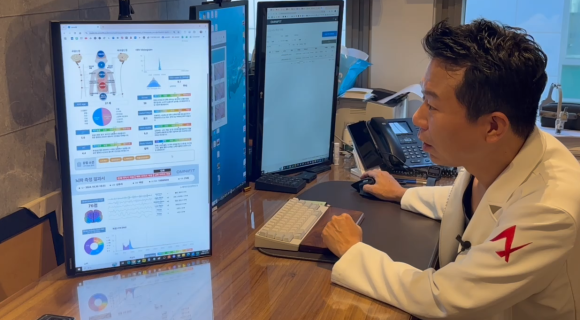
Hair loss examinations use a 360-degree scalp scan, microscopic examination, medical history review, and consultation to objectively assess the condition of the scalp and hair and establish a treatment plan.
Because 80% of treatment is accurately understanding and checking the condition, examinations are carried out through multiple steps.
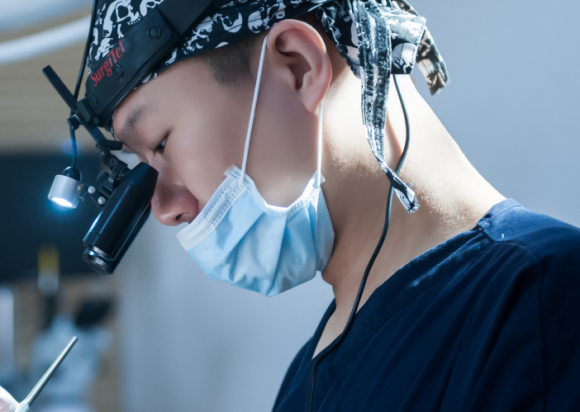
Diagnosis by a Plastic Surgery Specialist with 24 Years of Hair Loss Treatment Experience
After the examination, the next step is planning and carrying out the treatment process. Since each person’s hair loss type, condition, and medical history are different, individualized treatment is necessary.
If you want proper female hair loss treatment, please check whether personalized treatment is provided, whether diagnosis and treatment are carried out by medical staff with experience and expertise, and whether the clinic keeps multiple possibilities open rather than relying on just one method.
Also, each person has different treatment goals and different options that are possible. So there is no single correct answer that says, “You must do this.”
In the end, the key to all treatment is to become better than you are now.

There are many women worried about hair shedding. That concern is growing among people in their 20s and 30s as well, regardless of age.
There is no one-size-fits-all answer that says you must receive a specific treatment for hair loss, but it is important to accurately understand your current condition. If your hair is thinning or you feel that more of your scalp is showing than before, please check it through an examination.
Thank you.