
What if thyroid levels are high during pregnancy? Hypothyroidism, Synthroid
More women than you might think experience various physical changes caused by hormones during pregnancy.
It is not just symptoms such as weight gain or swelling due to pregnancy; thyroid problems can also occur.
This is because pregnancy is closely related to hormones and the endocrine system.
Usually, once pregnancy is confirmed, pregnant women receive a blood test at the obstetrics and gynecology clinic to check their basic condition.
They check important health indicators, and among them, thyroid levels are also examined.
In early pregnancy, thyroid levels can lead to various issues in maintaining the pregnancy, so it is important to check the levels and, if necessary, take medication.
While the average normal range for thyroid-stimulating hormone is considered to be around 2.5 to 4.0, during pregnancy it is viewed more conservatively, so levels up to around 3 are considered within the normal range.
However, if it is higher than this, hypothyroidism may be suspected.
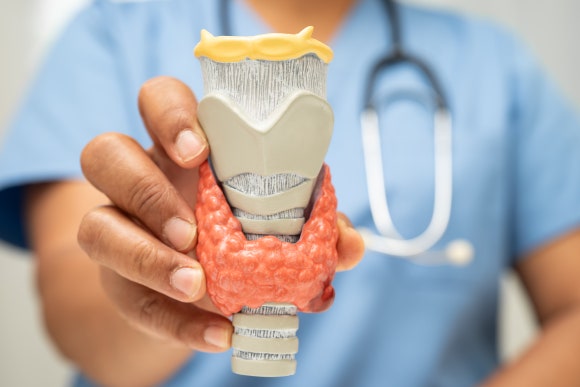
The reason hypothyroidism occurs during pregnancy is that the brain stimulates the body to produce more hormones not only for the mother’s body during pregnancy but also for the baby’s thyroid hormones.
Many people experience it fairly often.
Taking medication during pregnancy may feel burdensome, but if low thyroid function during pregnancy is left untreated, the risk of fetal neurodevelopmental problems, miscarriage, and preterm birth increases.
Therefore, thyroid hormone abnormalities during pregnancy must be managed with medication.
Usually, Synthroid is prescribed for hypothyroidism and taken.
Improvement is also possible through lifestyle changes in addition to medication.
This is because adequate sleep, regular meals, and stress management help maintain hormonal balance.

However, if your doctor says that hormone levels need to be controlled with medication, it is better to take the medicine rather than trying to correct it through lifestyle changes alone.
In particular, thyroid levels during pregnancy are most important within the first 12 weeks of early pregnancy.
This period is directly related to fetal brain development.
Hypothyroidism during pregnancy is usually known to improve naturally after delivery, but it is advisable to follow up with blood tests at an internal medicine clinic.