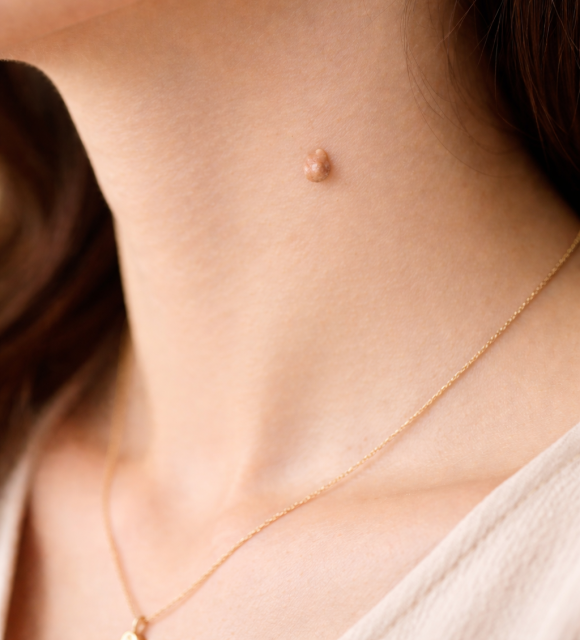
Will skin tags and flat warts disappear during pregnancy?
During pregnancy, various physical changes occur.
One of the changes that may appear, which were not present before, is a skin condition such as skin tags or flat warts.
Some people may already know about skin pigmentation, but skin conditions that are visible on the surface, such as skin tags or flat warts, may feel somewhat unfamiliar.
During pregnancy, there are limitations on both removal and management at a dermatology clinic, so it can be worrying.
The issue is that if these symptoms are temporary, that would be fortunate, but they may not disappear after childbirth.
What exactly causes skin tags and flat warts that develop during pregnancy, and will they disappear?
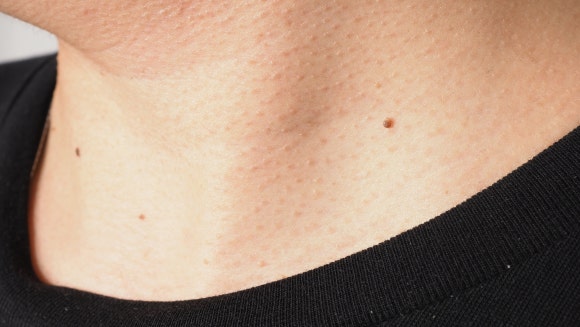
Why they occur during pregnancy
Hormonal changes are significant during pregnancy.
As estrogen and growth factors increase to maintain the pregnancy and help the fetus grow, the proliferation of skin cells becomes more active.
Also, as body weight increases after pregnancy, they can appear in areas with more skin friction, such as the neck, armpits, and around the chest.
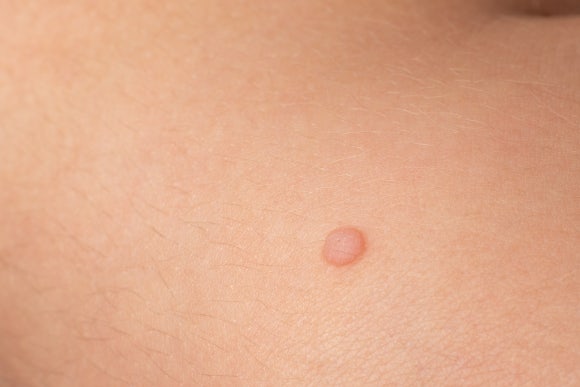
Among them, flat warts are related to viral infection, and as the immune system changes during pregnancy, viruses that were previously dormant become active and noticeably increase.
Will they naturally disappear after childbirth?
If they were caused by hormonal changes during pregnancy, some may naturally decrease or become smaller after childbirth.
However, in some cases, they do not disappear completely.
In particular, flat warts may stop increasing once the immune system returns to normal, but the warts that have already appeared may not go away on their own.
Can they be removed at a dermatology clinic during pregnancy?
If possible, it is not recommended during pregnancy.
Both skin tags and flat warts are treated with laser procedures, and it is better not to give unnecessary stimulation during pregnancy.
There may be risks such as skin stress, pigmentation, and infection.
If they have grown very large or are bleeding to the point of causing inconvenience in daily life, they may be removed under the recommendation of medical staff.
The recommended approach is to wait until after childbirth, since they may naturally disappear after delivery. If they do not go away on their own, dermatology treatment can then be considered.