My Eyelashes Keep Falling Out—Is It Because of Makeup or Hair Loss?
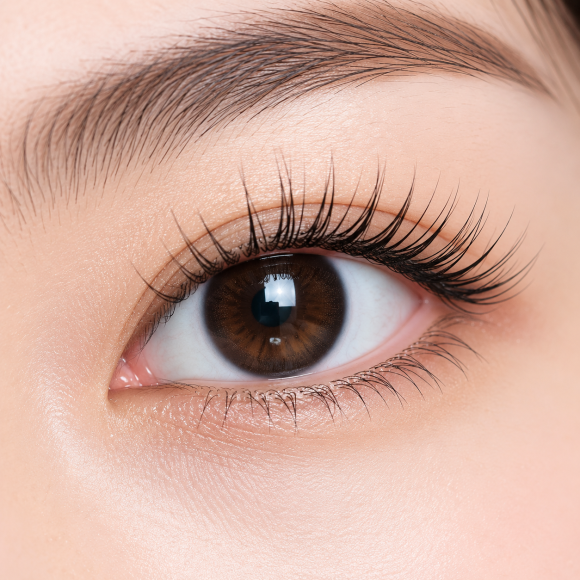
You may worry that hair loss has begun if you find fallen eyelashes under your eyes while washing your face or notice several eyelashes falling out after using an eyelash curler.
However, eyelashes also have a regular growth cycle, just like the hair on your head. It is natural for old eyelashes to fall out and new ones to grow.
The concern is when the amount of shedding has noticeably increased compared with before or the eyelashes in a particular area become sparse.
In such cases, it is worth considering whether there may be other causes besides normal shedding, such as repeated irritation, skin conditions, nutritional status, or systemic disease.
Natural Eyelash Growth Cycle
Eyelashes are not hairs that grow once and remain for life.
After going through a period of growth and maintenance, they naturally fall out, and the cycle repeats as new hairs grow.
Therefore, if only one or two eyelashes fall out during the day, there is not necessarily a problem.
What matters more is checking whether the amount of shedding has suddenly increased compared with usual and whether the areas where eyelashes have fallen out are filling in again.
Irritation from Eyelash Curlers, Mascara, and Eyelash Extensions
The first thing people whose eyelashes keep falling out should check is everyday physical irritation.
If you clamp your eyelashes too firmly with an eyelash curler or repeatedly rub around your eyes to remove waterproof mascara, continuous force may be applied to the eyelashes.
Eyelash extensions and false eyelashes can also cause natural eyelashes to fall out if irritation is repeated because of the adhesive, weight, or removal process.
In particular, if you have a habit of continuously putting pressure on the same area, it may help to take a break from treatments and makeup for the time being.
The Habit of Rubbing Your Eyes Frequently
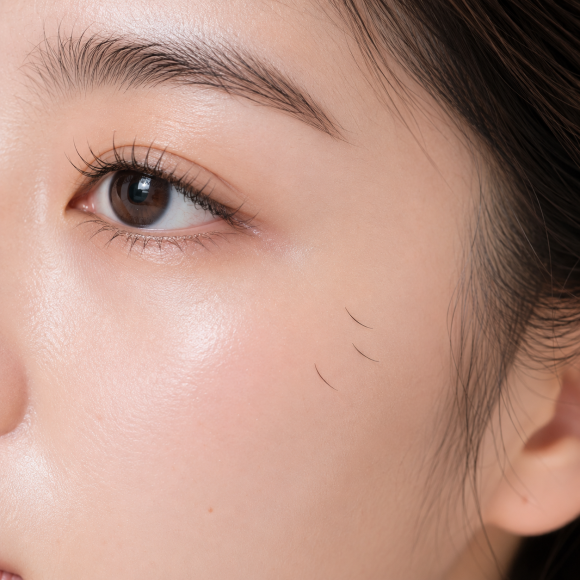
Frequently rubbing your eyes with your hands because they itch can also cause eyelash loss.
The skin around the eyes is thin, and eyelashes are relatively delicate, so they can be affected by repeated friction.
If you are habitually rubbing your eyes because of allergies, dry eyes, or another issue, it is important to address the cause of the itching as well as the eyelashes themselves.
When the Eyelids Become Inflamed
If scale resembling dandruff forms around the roots of the eyelashes and the eyelids are red or itchy, conditions such as blepharitis should also be evaluated.
Persistent inflammation can affect the environment around where the eyelashes grow.
If the edges of your eyelids remain red or itchy and are accompanied by discharge or stinging, it is more important to identify the cause at an ophthalmology or dermatology clinic than simply to use an eyelash supplement.
Alopecia Areata Can Also Affect the Eyelashes
When people think of hair loss, they usually think only of the hair on the scalp, but alopecia areata can also affect hair in other areas, including the eyebrows and eyelashes.
In particular, evaluation is needed if a specific section looks bare rather than the entire set of eyelashes gradually becoming thinner, or if areas of hair loss are also found in the eyebrows or scalp hair.
In such cases, do not assume that makeup or using an eyelash curler is the cause; it is advisable to consult a dermatologist.
Nutritional Status and Overall Health Should Also Be Considered
Severe dietary restriction, rapid weight loss, or nutritional imbalance can affect hair growth.
Systemic problems, such as a deficiency of certain nutrients including iron or abnormal thyroid function, can also appear as changes in the hair and body hair.
However, there is no need to take a particular supplement unconditionally simply because your eyelashes are falling out.
If the hair on your head or eyebrows is also falling out, or if you have other symptoms such as fatigue or weight changes, identifying the cause through the necessary tests should take priority.
How Should You Manage Eyelash Loss?
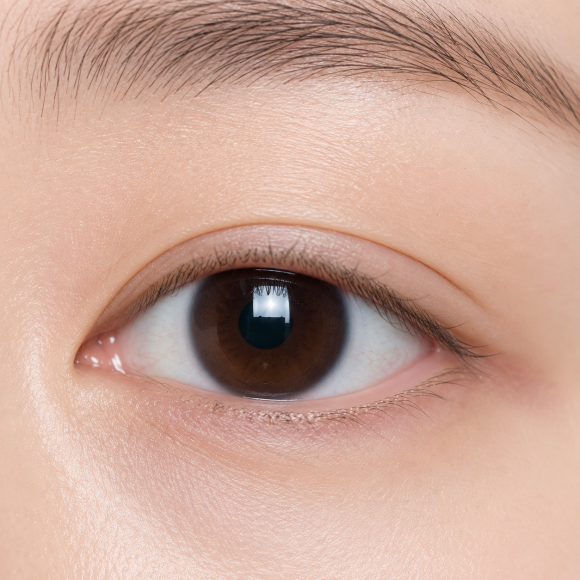
First, it is advisable to try reducing irritation to the eyelashes.
Avoid clamping too forcefully when using an eyelash curler, and do not rub your eyes hard when removing mascara.
If you repeatedly get eyelash extensions or lash lifts, taking a break for a certain period when your eyelashes have become significantly weakened may also be helpful.
If your eyes often itch, do not rub them indiscriminately; check what is causing the recurring itching.
Maintaining a balanced diet that includes sufficient protein and iron can also help support the health of your hair and body hair.
When Medical Evaluation Is Recommended for Eyelash Loss
There is no need to be overly concerned simply because a few eyelashes naturally fall out.
However, it is advisable to identify the cause if the eyelashes on one side or in a particular area become noticeably sparse, the amount of shedding increases significantly over a short period, or the eyebrows and scalp hair also begin to fall out.
The same applies if severe eyelid itching and redness occur along with scaling or pain.
In particular, recurring eyelash loss may be a sign of an abnormality involving the skin or the area around the hair follicles, rather than simply a cosmetic issue.
Because eyelashes naturally fall out and grow back according to their normal growth cycle, there is no need to immediately worry about eyelash hair loss just because a few have fallen out.
However, the situation is different if the amount of shedding has suddenly increased compared with before or only a particular area looks bare.
Various causes may need to be considered, from repeated irritation caused by eyelash curlers, mascara, and eyelash extensions to eyelid inflammation, alopecia areata, nutritional issues, or systemic disease.
Therefore, if your eyelashes keep falling out, rather than looking for supplements first, it is advisable to begin by reducing irritation around the eyes and observing the extent of the shedding and any accompanying symptoms.
If the symptoms persist or the eyebrows and scalp hair also begin to fall out, we recommend seeking medical evaluation to identify the exact cause.