Hello, I’m Director Park, passionate about lifting and known for painless procedures.
These days, I’m sure many people considering lifting treatments have heard of Onda Lifting at least once.
It is becoming increasingly popular because it involves little pain while providing an excellent immediate effect.
I also regularly have this treatment on my own face every one to two months. In the past, I often had it together with treatments such as InMode and Liftera, but I have grown so fond of Onda that it is now the only lifting treatment I have consistently.
Onda Lifting Effects
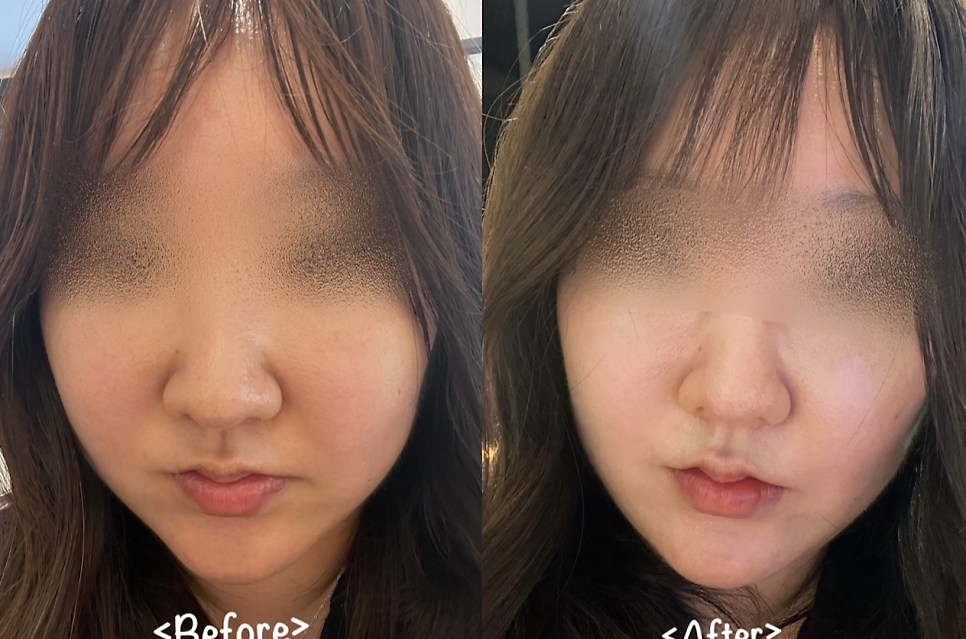
This photo was taken two hours after the treatment. The photo was taken with consent, so please do not repost it without permission.
Many lifting treatments reduce fat and can create hollowing in the cheeks. With Onda Lifting, however, you do not have to be as concerned about this.
Of course, if the outer-cheek area is treated intensively, a reduction in fat volume may occur. That is why careful treatment planning is also important.
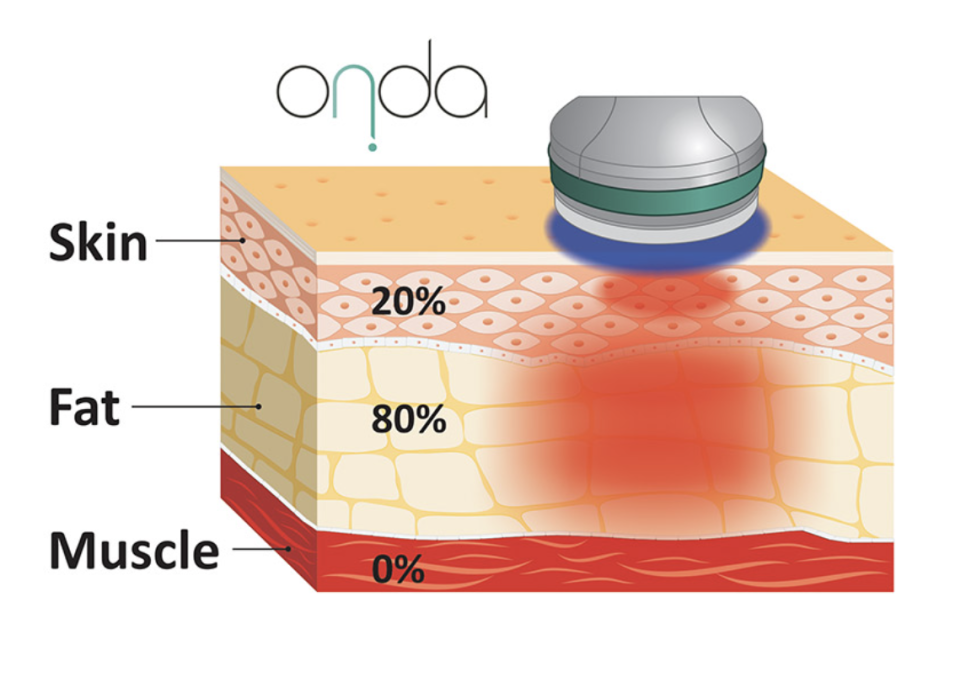
You can think of Onda Lifting as using microwaves to “organize” the subcutaneous fat layer beneath the skin. In other words, rather than removing fat, it is closer to slimming and refining prominent areas of fat.
It may be particularly effective for people with sagging double chins or deep cheeks.
Who Is Onda Lifting Suitable For?
-
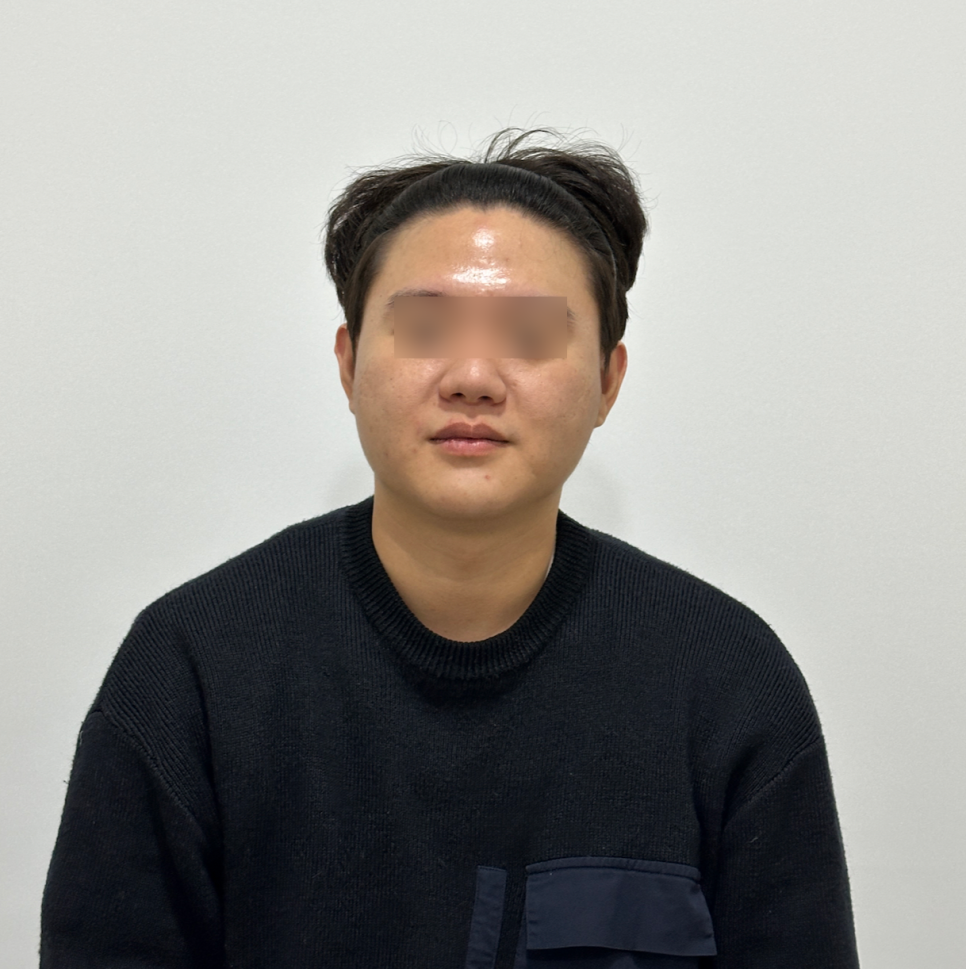
People who typically benefit from Onda Lifting are those with noticeably full cheeks.
-
People whose deep cheeks have lost elasticity and sagged, even if they do not have much overall fat.
-
People with a poorly defined jawline.
Onda Lifting may be a good fit for the people described above. However, those with very little cheek fat may not see dramatic results.
For these people, Seref may be a better fit.

What Is Important with Onda Lifting?
Although lifting treatments may seem similar in terms of how they are performed, the results depend heavily on the practitioner’s technique.
The results of Onda Lifting depend on three things: intensity adjustment, depth adjustment, and the lifting direction.
-
Higher intensity is not necessarily better. If the treatment is performed at too high an intensity, there may be a risk of burns or swelling as the fat melts.
-
The depth is determined according to the amount of fat. The treatment is performed using one of two depths, 7 mm or 3 mm. However, this can also be adjusted very precisely depending on how the cooling is controlled. This is where the practitioner’s technique makes a difference.
-
The lifting direction means that the treatment should be performed according to the planned design, which is based on the direction of sagging in the patient’s face. Rubbing randomly and performing the lifting treatment with a deliberate direction can produce different results.
You may find it helpful to read the article I worked hard to write below.
https://blog.naver.com/rlagnsgk37174/223806115502
Onda Lifting Price
The price of Onda Lifting is usually divided according to how many joules of energy are used. Some clinics set their prices based on a certain amount per 10,000 lines. In general, the price of Onda Lifting is between 50,000 and 100,000 won per 10,000 lines. (10,000 lines = 10 kJ)
If Onda Lifting is performed on its own, I believe that approximately 80,000–120,000 lines is generally appropriate.
If it is combined with another lifting treatment, I believe that around 60,000–80,000 lines is an appropriate amount of energy.
(When Onda is performed on its own, it is usually received three times at one-month intervals, so budget is also an important consideration.)
My view is that Onda Lifting is a process of “fine-tuning” the contours of the face. The details of that fine-tuning seem to vary considerably depending on the practitioner’s approach.
This was Director Park. Thank you.