Hello.
This is Dr. Park from Lelive.
It feels like it’s been a while since I wrote a post sharing skin and health information. ^^
I often hear people say,
“I keep getting procedures, but my recovery seems slow.”
Even with the same laser or skin booster,
some people’s skin stabilizes quickly,
while for others, redness or sensitivity
lasts for a long time.
Of course, skin type differences play a role,
but one factor that has a surprisingly big impact is
sleep.
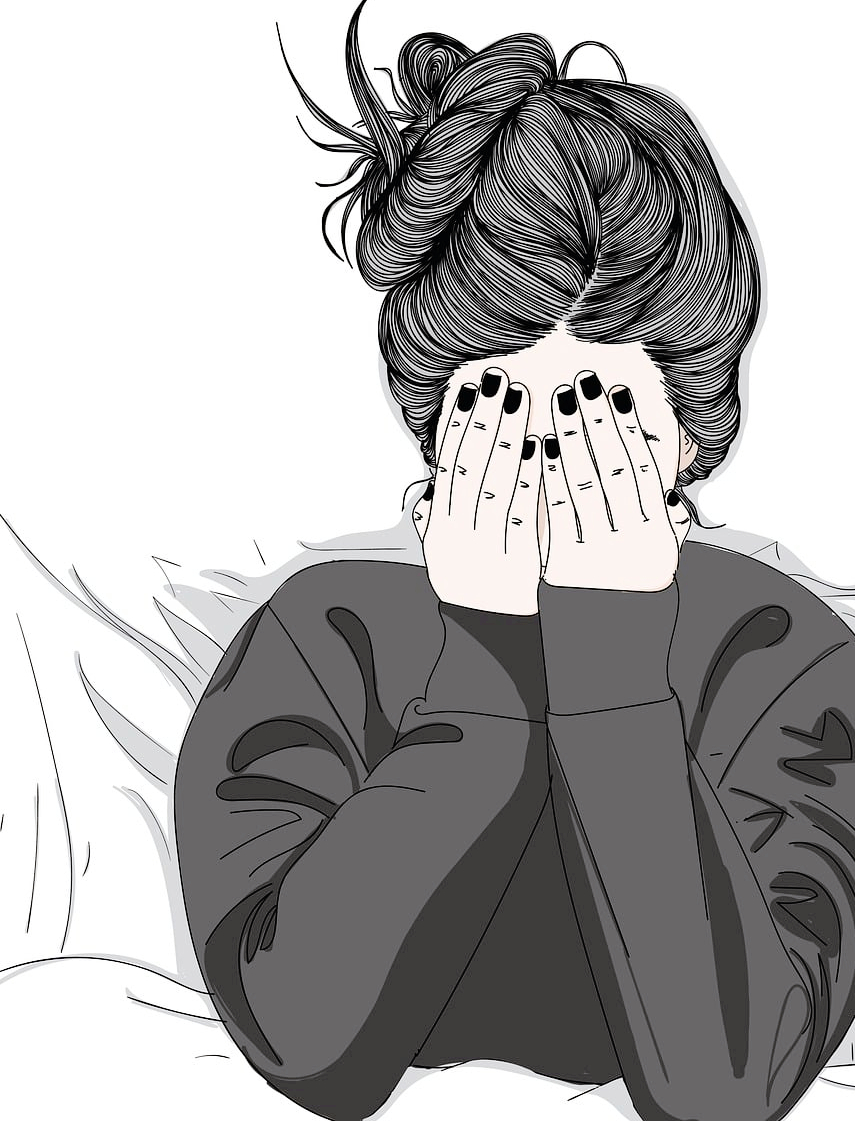
Skin recovers at night
Many people think of sleep
as simple rest,
but from the skin’s perspective, night is closer to a “regeneration period.”
During deep sleep,
growth hormone secretion becomes more active,
and cell regeneration, skin barrier recovery,
and collagen synthesis occur more actively.
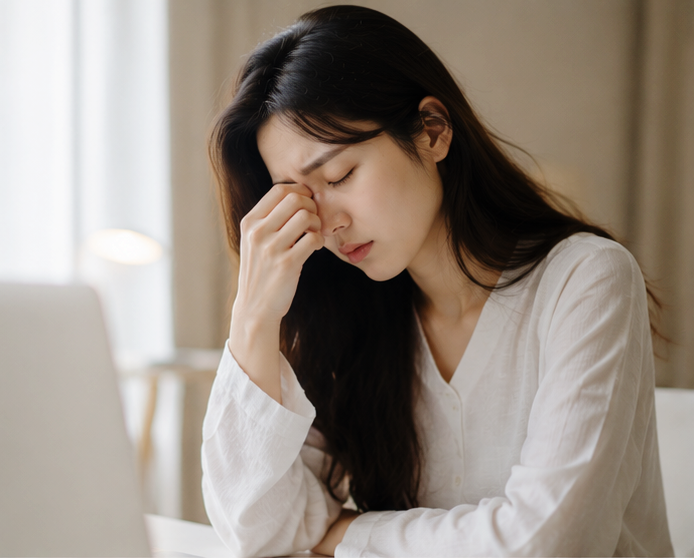
The skin damaged during the day by UV rays, stress,
and inflammatory responses
is repaired again during the night.
That process repeats.
So when sleep is disrupted,
the skin inevitably also slows down in its recovery.
If sleep aids or similar medications are taken repeatedly,
they may help with falling asleep at first,
but as time goes on the body may adapt to the medication,
which can lead to a vicious cycle.
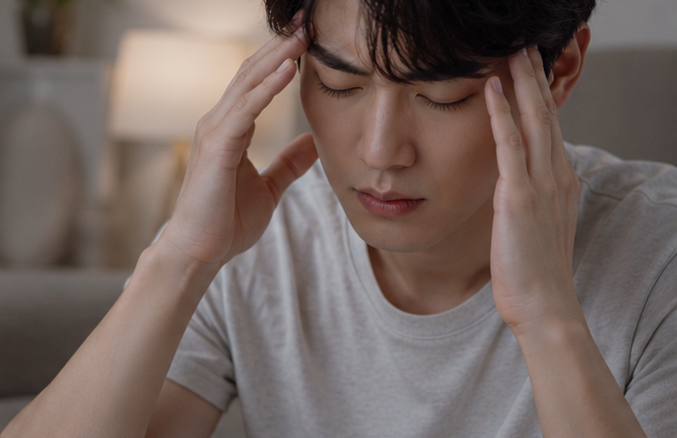
Changes that actually occur in the skin when sleep is insufficient
When lack of sleep repeats,
the skin shifts from recovery mode
toward a stress-response state.
One representative change is
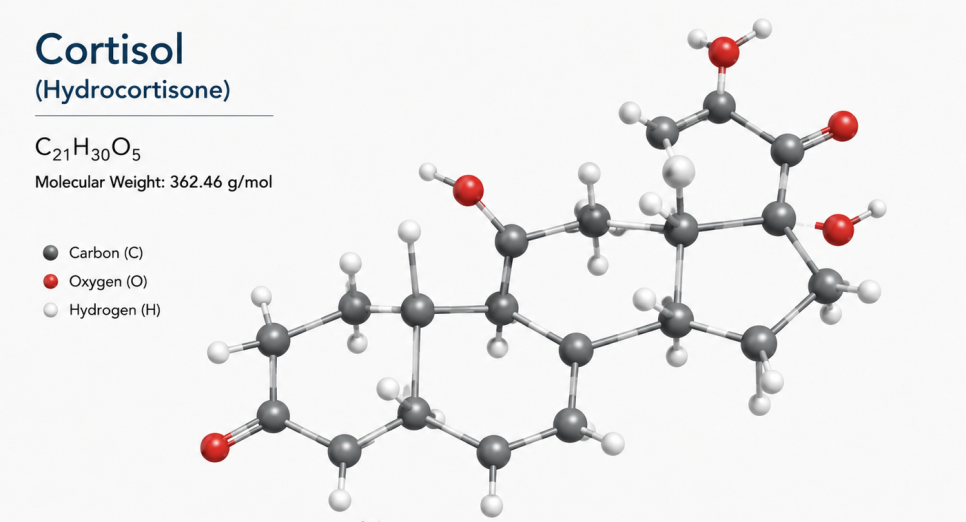
an increase in cortisol.
Cortisol is known as a stress hormone,
and if it increases excessively,
it can affect skin inflammation responses
and sebum balance as well.
During this period, acne can worsen,
and even small breakouts often last longer.
As the skin barrier recovery slows,
water loss increases,
and the skin can become dry more easily.
The reason products you normally use well
suddenly start to sting
or make your skin feel more sensitive
can also sometimes be related to this.
Also, if blood circulation
and lymphatic circulation are not smooth,
morning puffiness, a dull complexion,
and dark circles may appear more noticeable.
Even just a few days of poor sleep
can make skin texture rougher
and cause makeup to sit unevenly.
Our skin is an organ that is affected by daily rhythms
more than many people realize.
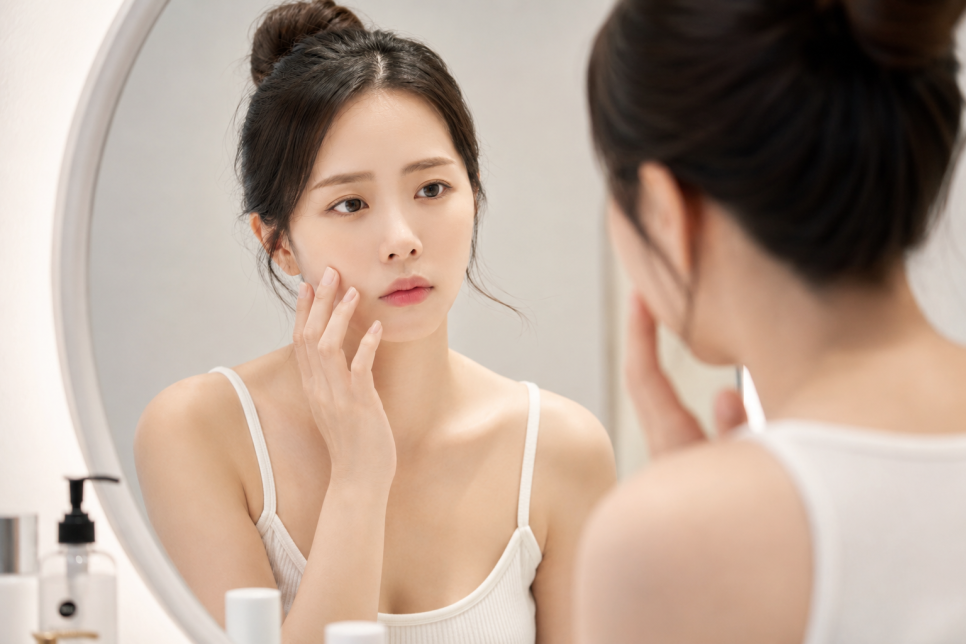
What to remember before better procedures
What I explained above also affects
after dermatologic procedures.
Rejuran, skin boosters, lasers, and lifting
are all treatments that ultimately use the skin’s recovery response
and regenerative capacity.
In other words,
it does not simply end with delivering energy.
What matters after that is how stably the skin recovers,
and that influences the results.
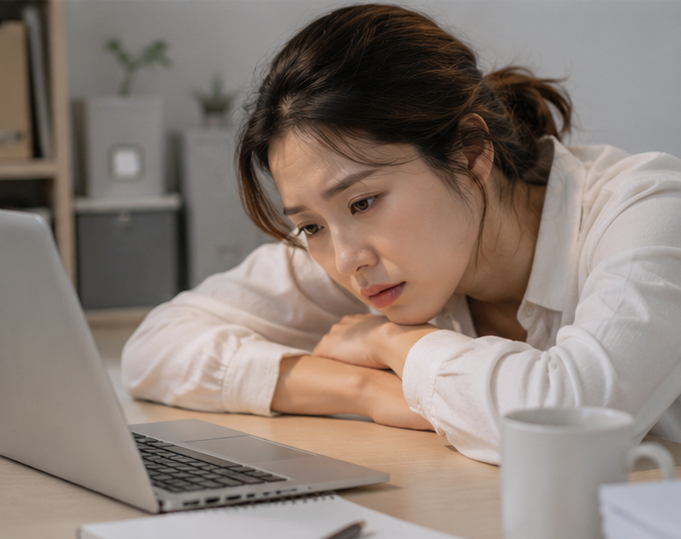
That is why, even with the same procedure,
if sleep patterns are irregular
and the person is in a period of high stress,
sensitivity may last longer,
or satisfaction may be lower.
Especially when late-night or early-morning bedtimes
repeat,
or when sleep time remains insufficient,
the skin cannot recover fully,
and damage and fatigue accumulate.
Of course, sleeping well alone
does not solve every skin problem.
But skin regeneration ultimately takes place
within the body’s overall recovery system.
Good cosmetics and procedures are important, but
the skin environment that can receive their effects
is also important.
If recovery feels slow,
rather than spending money to change something,
it may also be necessary
to first check your recent sleep status.
This was Dr. Park Tae-oh from Lelive.
Thank you.