Hello.
I’m Dr. Taeo Park,
Director of Relieve Clinic,
who is deeply committed to skin health.
Summer is approaching, and interest in
sun protection and
sunscreen types is
surging.
It’s a season when skin irritation
increases dramatically,
so your face and scalp are likely to feel more sensitive.

UV rays and photoaging: Skin remembers the sun
Skin aging does not happen
simply because
we get older.
In skin research and academic papers,
the effects of
"photoaging"
are considered very important.
Photoaging refers to
the gradual damage to the
skin’s structure itself
as a result of repeated UV exposure.
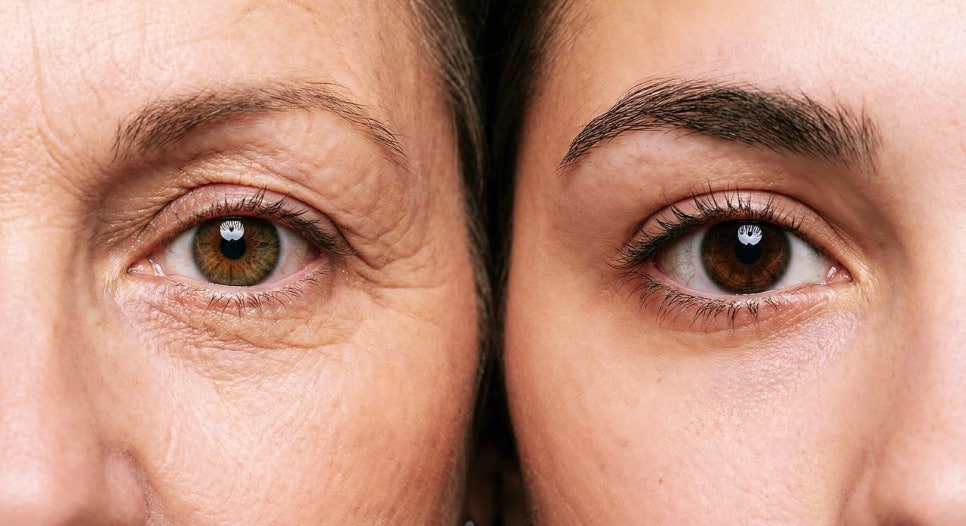
Darkening of pigmentation,
enlarged pores,
fine wrinkles, and
reduced elasticity
are also closely linked
to this process.
In particular, a significant portion of skin aging
is known to be influenced more by
UV exposure
than by natural aging.
Sunlight that affects the deeper layers of skin
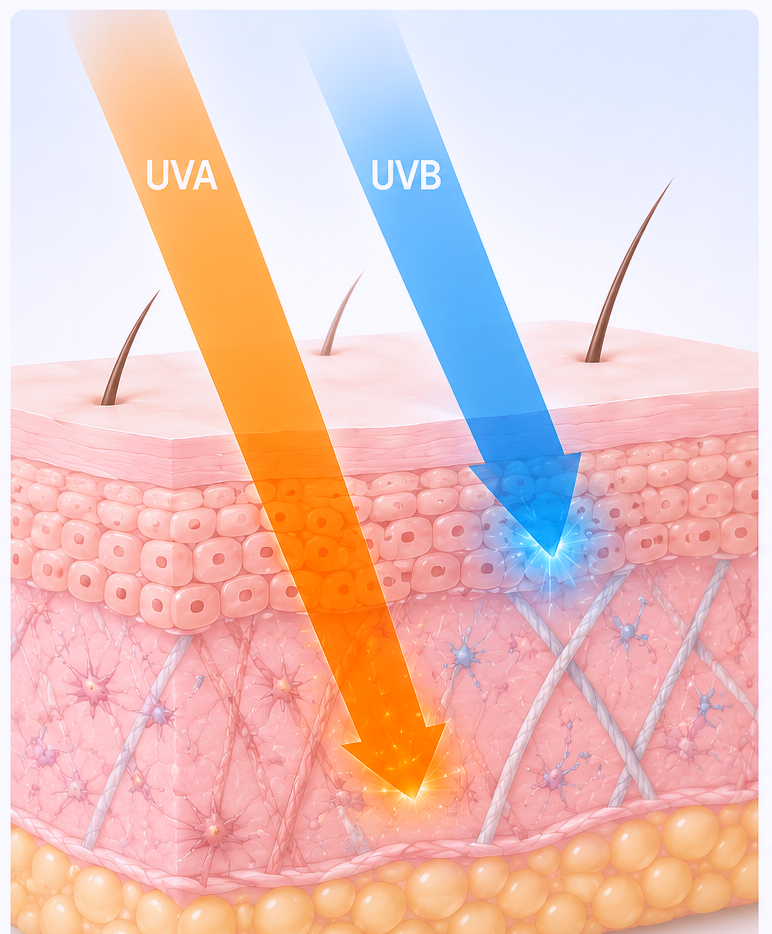
Ultraviolet rays are broadly
classified into UVA and UVB.
Among them, UVA
penetrates deep into the dermis,
damaging collagen and elastin fibers.
The problem is that
this process is not immediately visible.
UV exposure today can
show up years later as wrinkles and sagging skin.
That is why photoaging is also described as
"slowly accumulating skin damage."
In addition, UV rays can
increase reactive oxygen species and induce
chronic inflammatory responses,
which may reduce the skin’s
ability to recover.
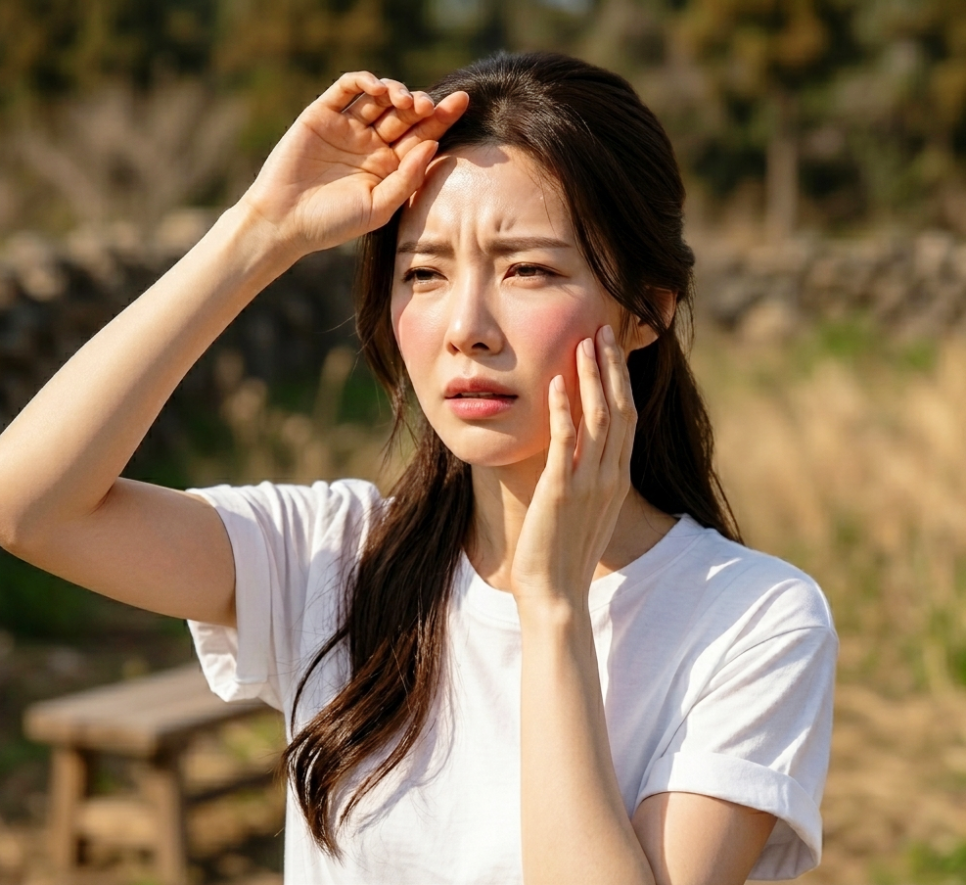
You need to be careful even on cloudy days.
Many people think that
only strong summer sunlight
needs to be avoided,
but UVA can pass through glass
on cloudy days or even indoors
and still affect the skin.
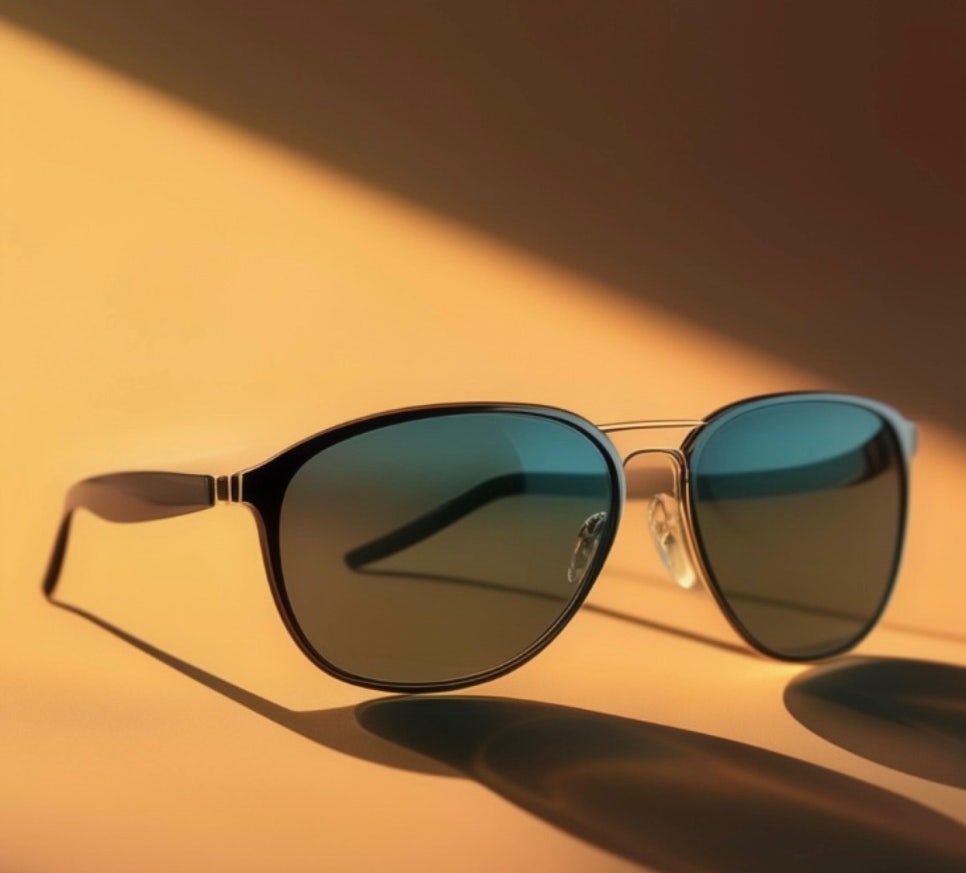
In particular, when driving for long periods,
there are many real cases where only one side of the face develops
pigmentation, freckles, and signs of aging
more quickly.
Therefore, anti-aging care is not something you do only on special days;
it is important to build it into your daily habits
as something you always pay attention to.
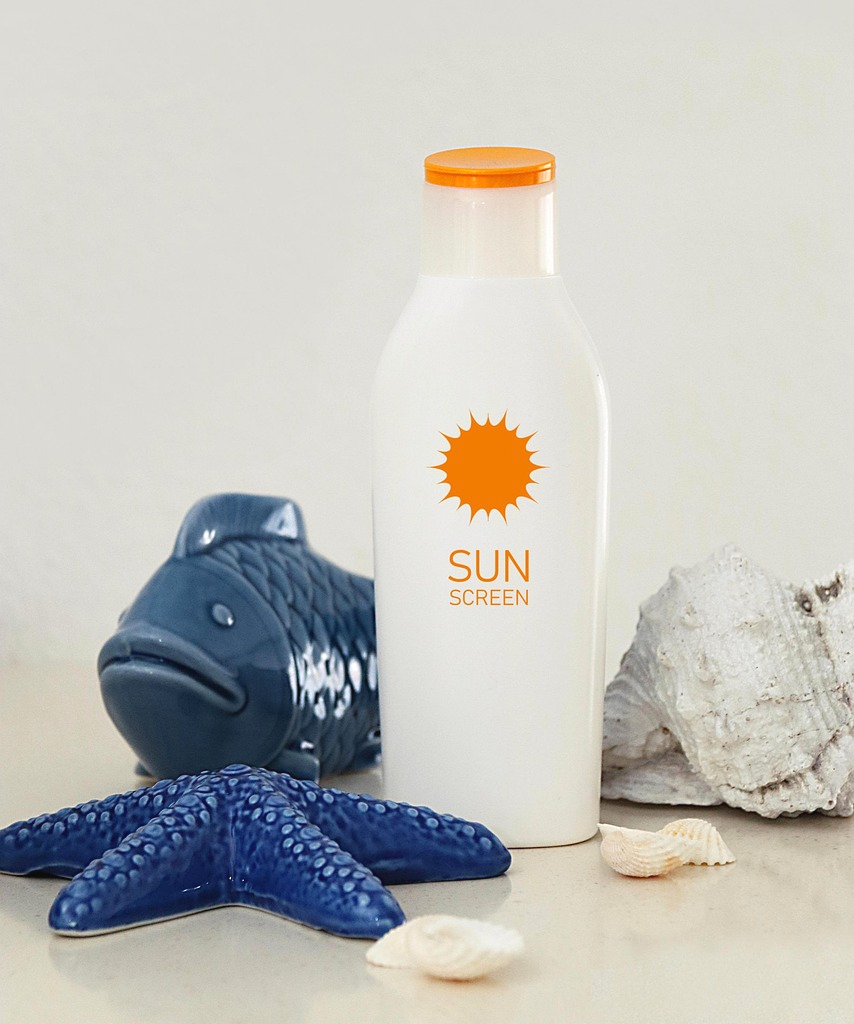
The most important thing is consistency
The most basic way to prevent
photoaging is sun protection.
When choosing sunscreen,
SPF, PA, and the UV index are important,
but you should place even more importance on
using enough product and
making reapplication a habit.
Antioxidant care,
recovery and protection of the skin barrier,
and getting enough sleep and maintaining a stable lifestyle can also
influence the process of
creating healthy skin.
These days, many people also do self-care
and home care.
After using at-home exfoliating tools or peeling products,
remember that you must apply sunscreen without fail
for your skin to be protected.
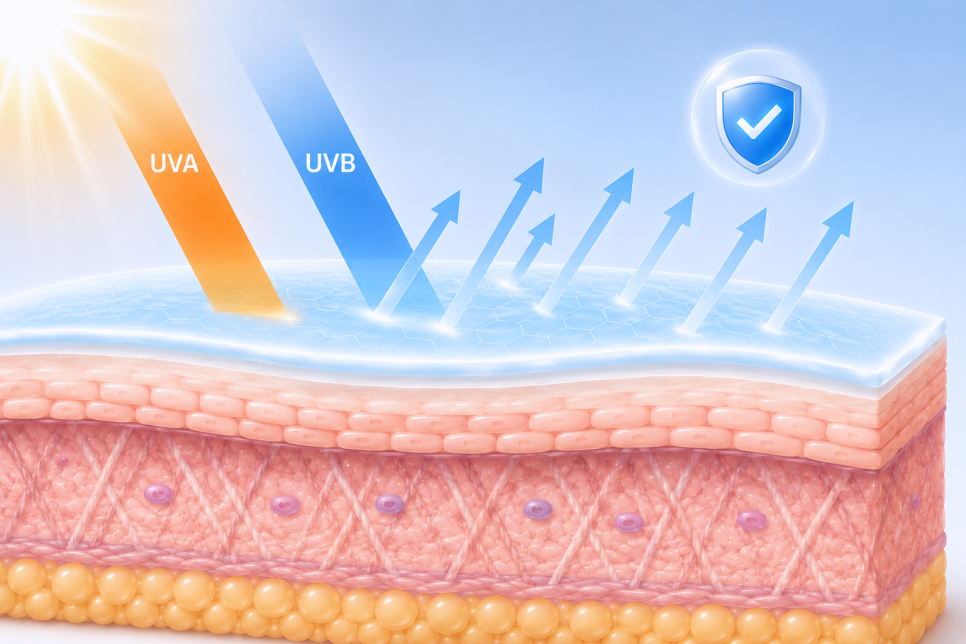 How much UV protection you get after applying sunscreen
Skin is not determined by
one day of care,
but is greatly influenced by
accumulated habits over many years.
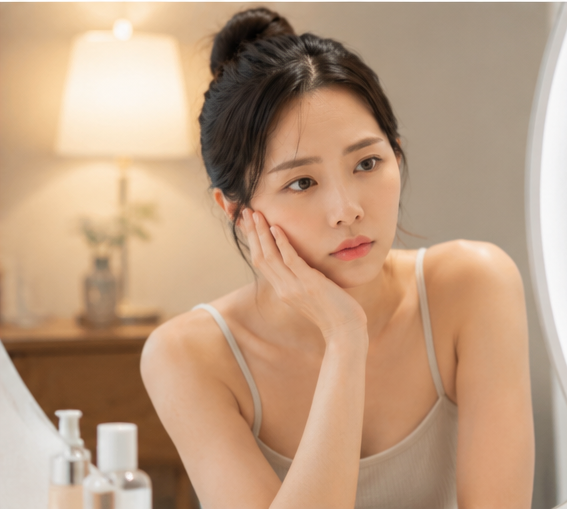
If pigmentation, reduced elasticity,
and changes in skin texture are happening faster than before these days,
I think it is necessary to take a moment to check
how much your skin is currently being affected
by aging.
I was Dr. Park from Relieve,
who wants to block out all UV rays for you.
Thank you.