Hello,
I’m Dr. Taeo Park of Relieve Clinic.
"Washing your face often will improve acne"
"Oily skin should not be moisturized too much"��
More people than you might expect
believe these skincare ideas
as if they were common sense.
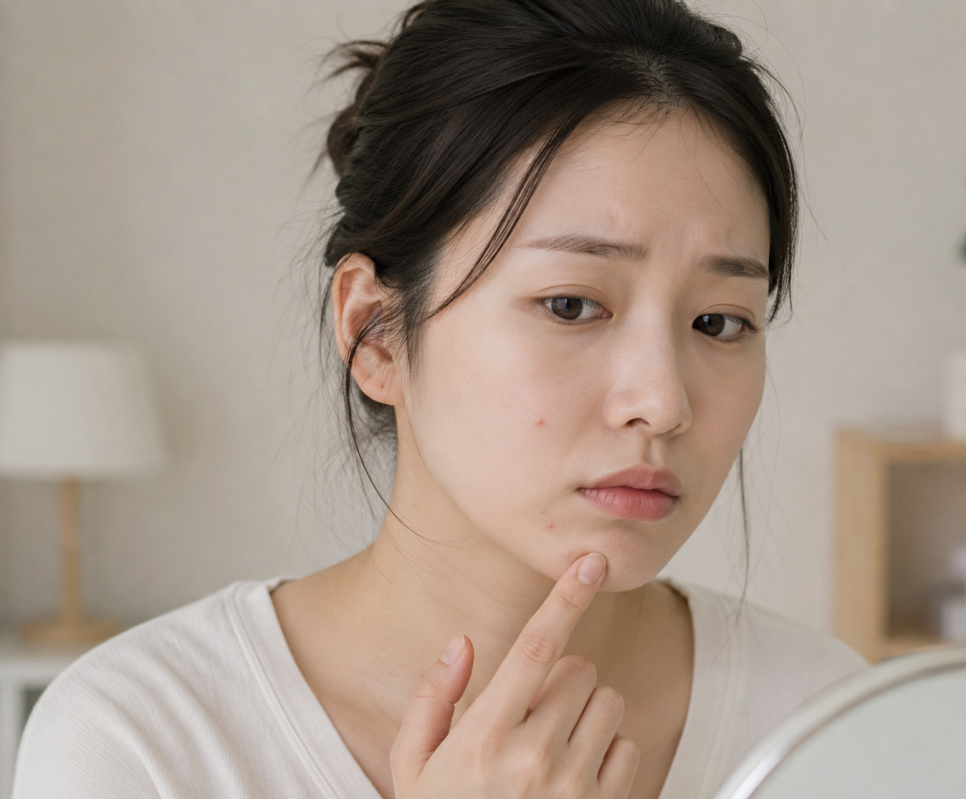
The problem is
that this kind of care can instead
damage the skin barrier
and
become a cause of repeated inflammation.
In particular, adult acne is often not just a simple sebum issue,
but is also affected by
stress, lack of sleep, skin irritation,
alcohol and smoking, and lifestyle habits.
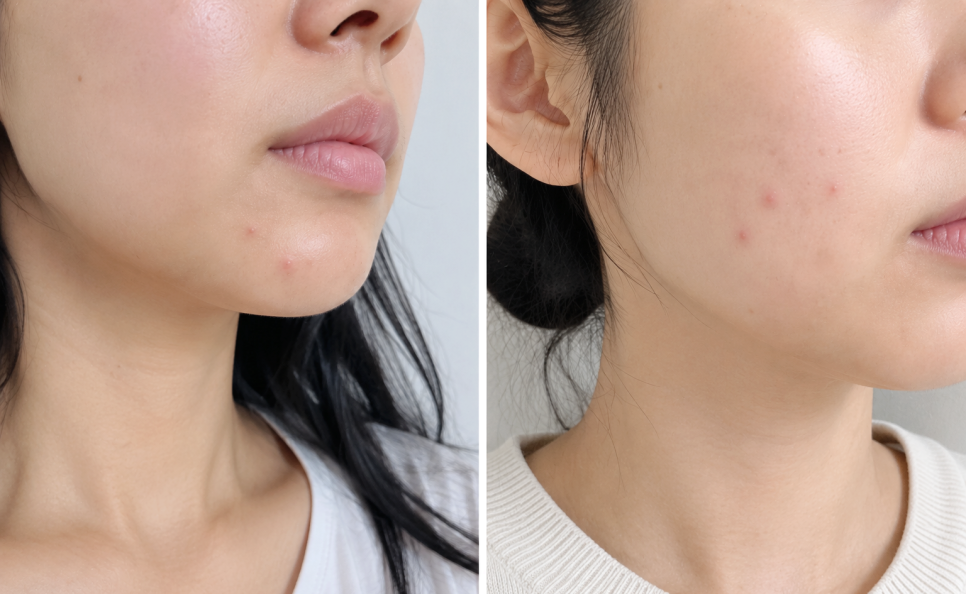
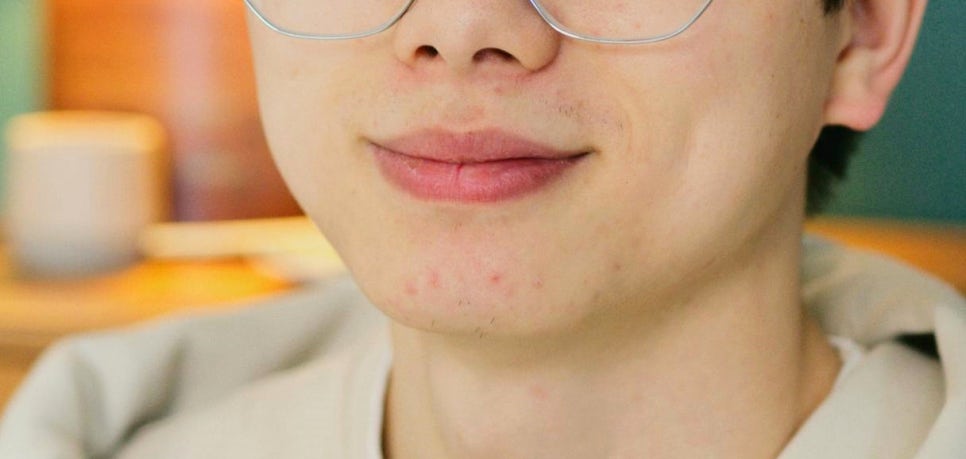
Rather than caring for the skin aggressively,
it is really important to create a routine that helps the skin
recover on its own.
First, let’s briefly organize the misconceptions that are often misunderstood ↓↓
| Misconception | Actual skin response |
|---|
| You should wash your face often | Excess sebum secretion when moisture is lacking |
| Oily skin does not need moisturizing | Increased risk of inflammation spreading, scarring, and pigmentation |
| Makeup always makes things worse | Product choice and cleansing are more important |
| Sunscreen is unnecessary on cloudy days | UVA can pass through thick clouds |
The most common mistake with troubled, acne-prone skin
is 'overdoing it'.
Because there is a lot of sebum,
some people wash their face several times a day
or rub their skin with scrubs,
but if the skin barrier is damaged in the process,
the inflammatory response can actually become worse.
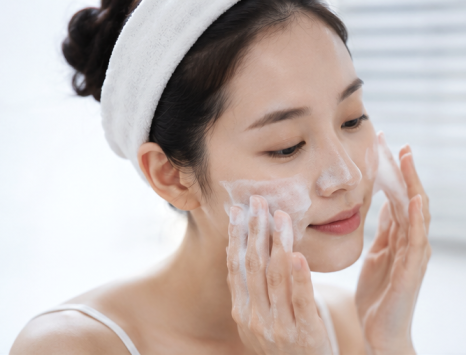
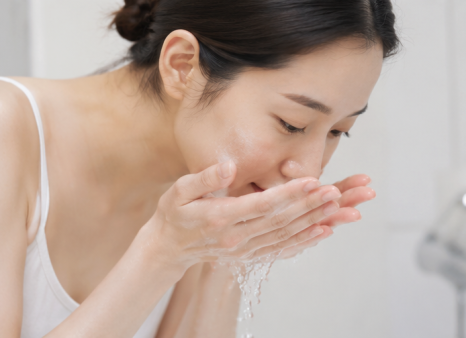
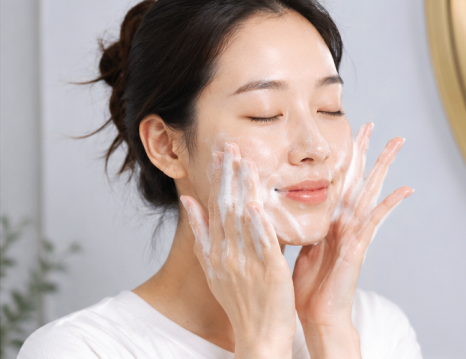
Washing your face twice a day is enough.
Using lukewarm water and a low-irritation cleanser
is much more important.
Moisturizing is the same.
If you stop moisturizing because you have oily skin,
our skin will
secrete even more sebum
to make up for the lack of moisture.
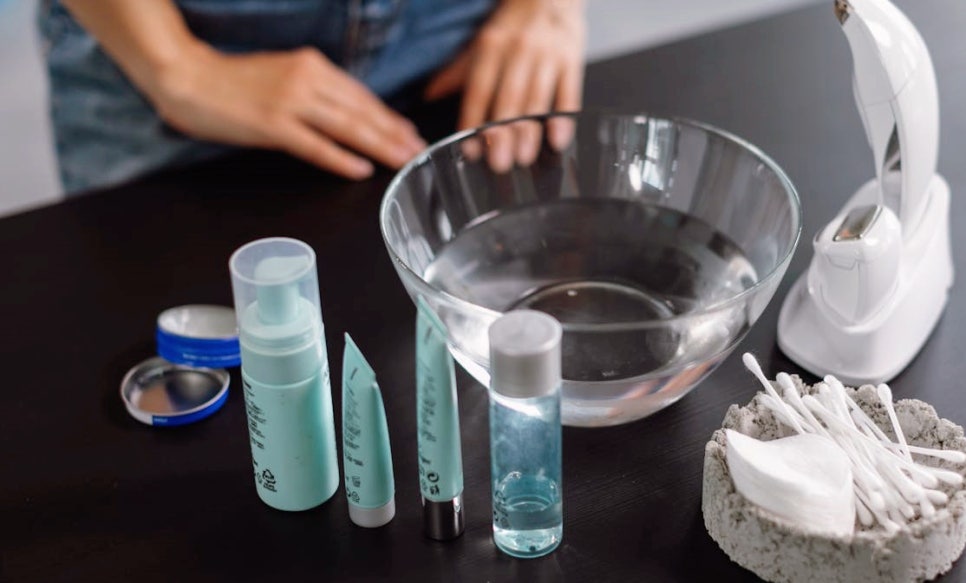
Especially with acne-prone skin,
"barrier recovery" is often more important
than removing oil.
Non-comedogenic products or
lightweight moisturizing creams can actually
help stabilize the skin more often.
Another habit that is repeated a lot
is using your hands and nails
to squeeze acne yourself.
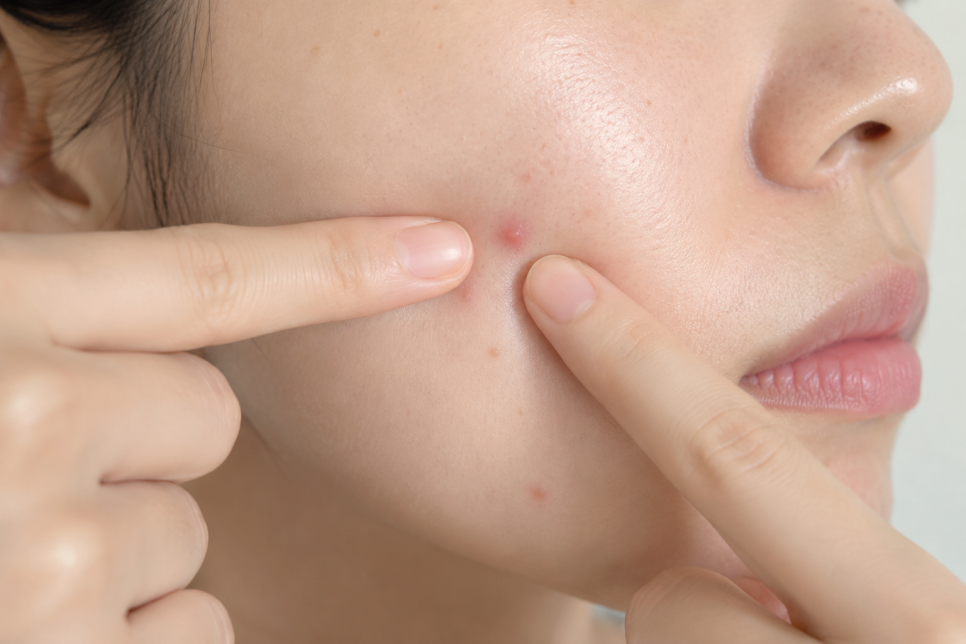
If you keep touching it repeatedly,
inflammation can spread to the surrounding tissue,
increasing the likelihood of
pigmentation or pitted scars.
In particular, adult acne around the jaw and cheeks
often involves deep inflammation,
so forceful squeezing can make the skin damage even worse.
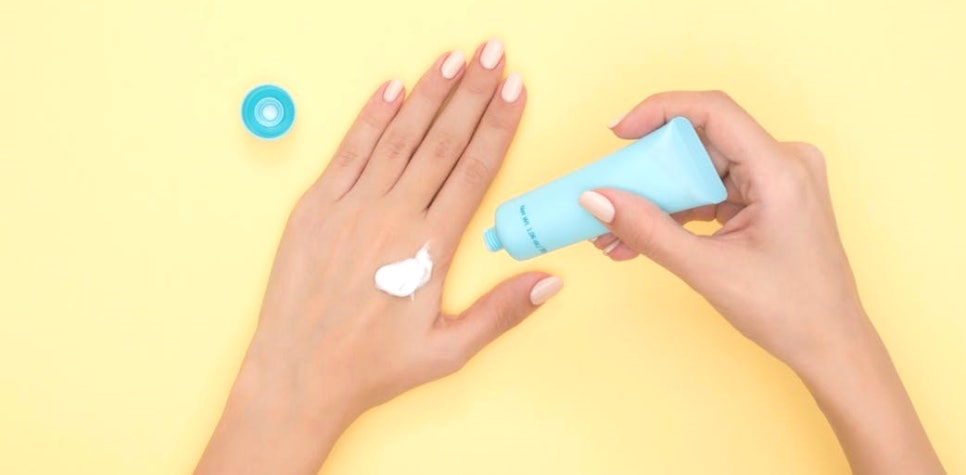
It is also wrong to say that you must avoid makeup altogether.
Thick, oily products can cause problems,
but
these days,
many makeup products, including non-comedogenic sunscreens, are available,
so the range of cosmetics to choose from has become wider.
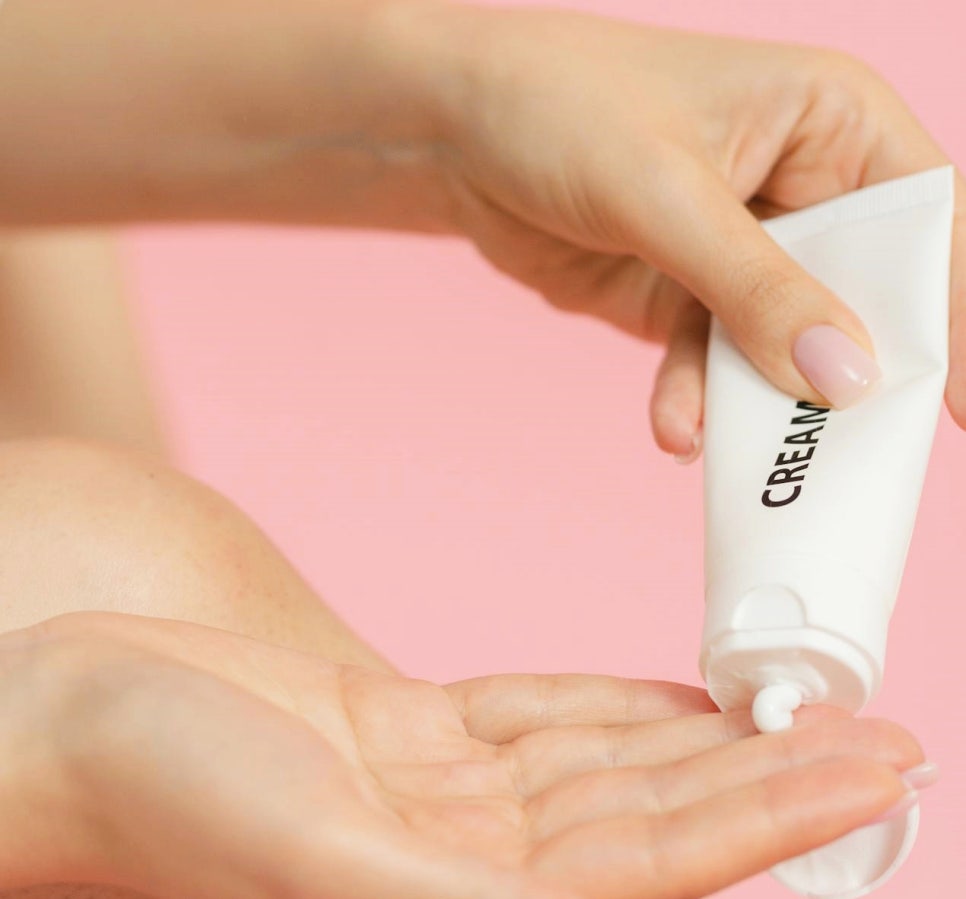
Low-irritation cosmetics can also play a good role
in protecting the skin from UV rays, friction, and external irritation.
The important point is not to avoid everything unconditionally,
but to choose products suited to your skin condition
and cleanse thoroughly.

Our everyday lifestyle also has a major effect
on the skin.
High-sugar food intake,
staying up late,
lack of sleep, and stress are
representative factors that increase
sebum secretion and
inflammatory responses.
On the other hand,
getting enough sleep and eating a balanced diet,
along with a regular routine,
can often reduce
the frequency of recurring severe breakouts.
In the end, acne skincare is less about solving everything with one special product
and more about reducing the things that irritate the skin.
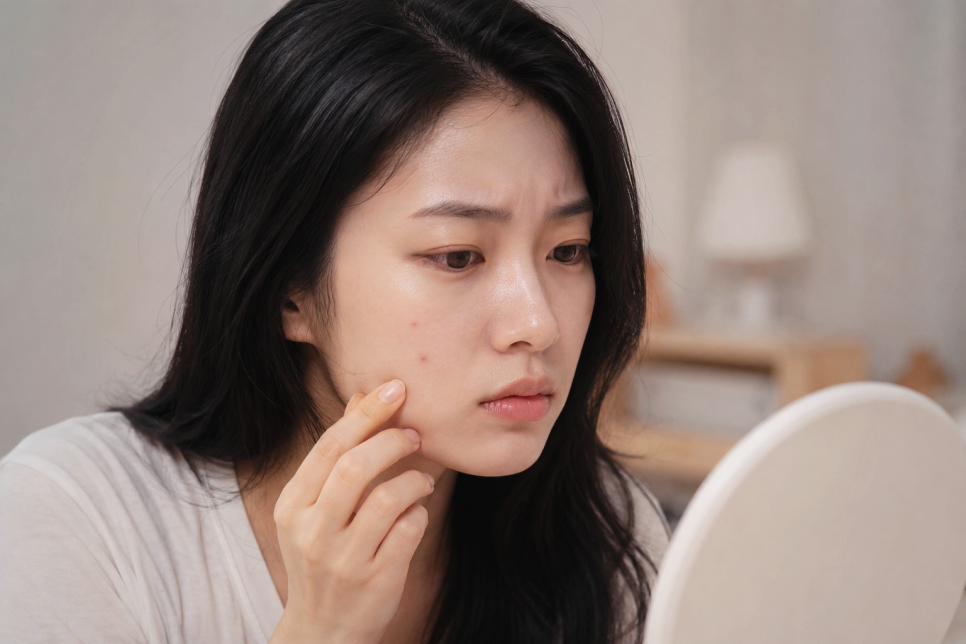
Our skin is more sensitive than we think.
It also wants a lot.
The more aggressively you care for it,
the better it does not necessarily become.
Rather, in many cases,
recovery begins when you reduce irritation
and maintain a stable condition.
That is what I want to share from my experience.
This was Dr. Park from Relieve, always thinking about comfortable and healthy skin.
Thank you.